
Green Hydrogen Production Innovations Transform Energy in 2026
Breakthrough electrolyzer technology and new production methods are accelerating green hydrogen deployment across heavy industry in 2026, positioning the fuel as critical to global decarbonization goals.

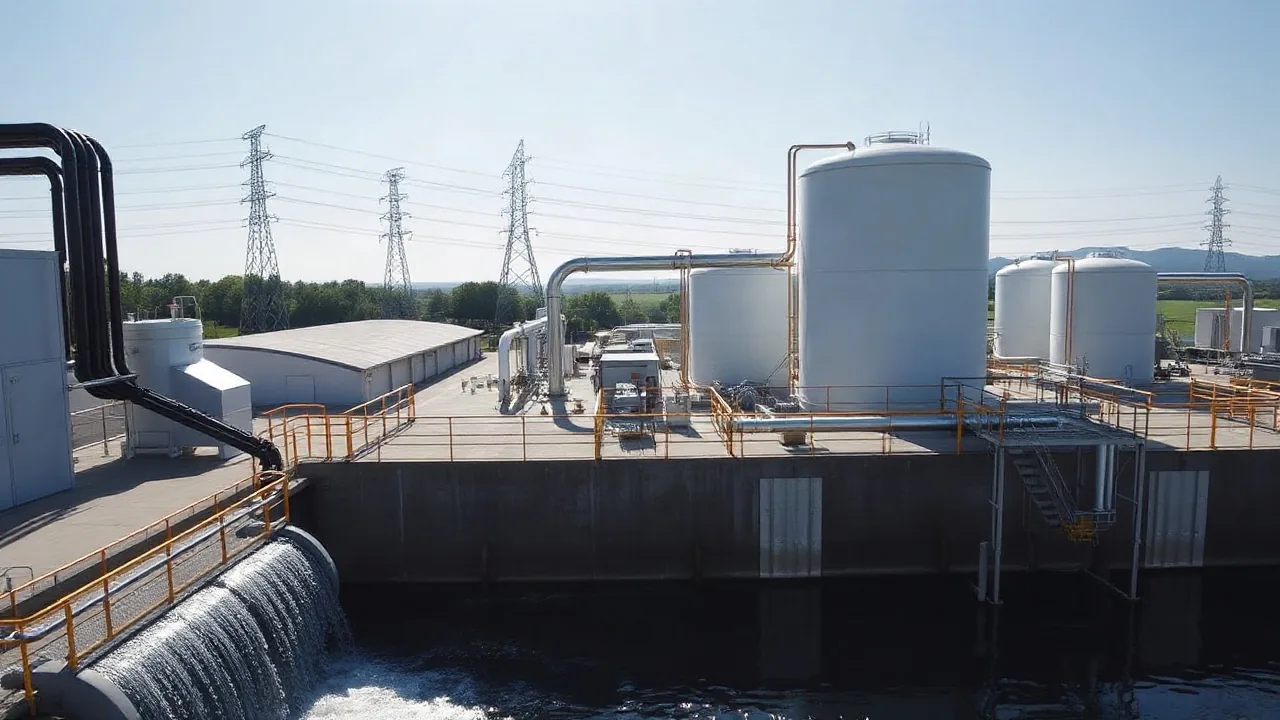
Siemens Energy announced in September 2026 that its latest polymer electrolyte membrane electrolyzer achieved 82% electrical efficiency, a significant leap from the 75% baseline two years prior. The advancement signals that green hydrogen production is moving from niche pilots into commercial-scale operations capable of meeting industrial demand.
Green hydrogen, made by splitting water using electricity from renewable sources, eliminates the carbon emissions tied to traditional steam methane reforming. Unlike gray hydrogen, which still dominates global supply, green hydrogen offers a genuine pathway for energy transition in sectors like steel manufacturing, ammonia synthesis, and petroleum refining that have proven difficult to electrify directly.
"We are seeing the cost curve flatten as volume scales," said Dr. Helen Morse, chief technology officer at the International Renewable Energy Agency (IRENA), in an October 2026 briefing. "Green hydrogen will reach cost parity with gray hydrogen in certain regions by 2028 if current production trends hold."
Production Methods Gaining Ground
October 2026 marked convergence on three competing electrolysis pathways, each suited to different industrial contexts and regional energy profiles.
- Alkaline electrolyzers remain the most mature and lowest-cost option, with Hydrogenics and ITM Power deploying units in Germany, Australia, and Chile.
- Polymer electrolyte membrane (PEM) technology offers faster response to variable renewable power and smaller footprint, driving adoption in grid-connected facilities.
- Solid oxide electrolysis, operating at high temperatures, shows promise for integration with industrial waste heat, though commercial units are still limited to pilot scale.
Nel ASA, a Norwegian manufacturer, reported in August 2026 that its alkaline stacks now operate reliably at 5 MW capacity with 95% uptime in continuous duty cycles. That durability milestone removes a key hesitation among end-users considering long-term capital commitments.
Thermal decomposition, an alternative pathway avoiding electrolysis altogether, is advancing in parallel. CSIRO in Australia published results in July 2026 showing high-temperature solar cracking of methane yields hydrogen with 99% purity and dramatically reduced energy input compared to conventional splitting. Pilot deployment at a Western Australia mining operation is scheduled for Q4 2026.
Why Heavy Industry Is Accelerating Deployment
Steel, chemicals, and refining account for roughly 30% of industrial carbon emissions globally. Unlike power generation, these sectors cannot simply swap to battery electric alternatives. Sustainable industry transformation requires either process redesign or carbon-neutral feedstocks, and green hydrogen fills that gap directly.
Thyssenkrupp in Germany began operations at its first green hydrogen-powered steel mill in June 2026, replacing a portion of conventional blast furnace feed with hydrogen. The facility consumes 8 MW of power from a dedicated wind farm, producing roughly 30 tons of hydrogen daily and reducing mill emissions by 18%.
Yara, the Norwegian fertilizer giant, announced a second green ammonia plant in September 2026 located in the U.S. Gulf region, where cheap wind and solar power combined with port access for export make the economics viable. The facility targets 50,000 tons annual capacity by 2027.
Regulatory pressure is accelerating the timeline. The European Union's Carbon Border Adjustment Mechanism, in effect since 2026, imposes tariffs on imported steel and cement produced with high carbon intensity. That cost signal is forcing refineries and mills to invest in decarbonization technology now rather than wait for cheaper alternatives.
In the U.S., the Inflation Reduction Act's Production Tax Credit for green hydrogen was expanded in 2026 to include 45 cents per kilogram through 2028 for facilities meeting prevailing wage and domestic content requirements. Nine new projects broke ground in Q1 and Q2 2026 in response.
The Cost Compression Story
Clean energy innovations are compressing the cost curve faster than most forecasts predicted. BloombergNEF updated its hydrogen cost modeling in August 2026, reducing the projected cost floor for green hydrogen from 3.50 dollars per kilogram to 2.10 dollars by 2030, assuming current learning rates hold.
That downward revision reflects three overlapping trends. First, electrolyzer capital costs have fallen 35% since 2023, driven by manufacturing scale in China and Europe. Second, renewable electricity prices continue declining, and hydrogen production plants are increasingly sited directly at wind and solar farms to avoid transmission losses. Third, industrial demand is now sufficient to justify dedicated supply chains and specialized equipment.
AFC Hydrogen, a UK-based startup, raised 85 million pounds in Series B funding in May 2026 to scale its alkaline electrolyzer production to 500 MW annually by 2028. The funding reflects investor confidence that green hydrogen will transition from a niche climate technology to a bulk commodity.
Challenges remain. Grid infrastructure in many regions is not sized to handle the electrical loads that large hydrogen plants require. Water availability is a constraint in arid geographies. And skilled technician shortage is slowing installation rates at remote industrial sites.
Despite those hurdles, the convergence of regulatory incentive, industrial demand, and technology maturation suggests green hydrogen is crossing from emerging to established in 2026. The next 18 months will likely determine whether the fuel becomes a central pillar of global decarbonization or remains confined to privileged regions with abundant cheap renewables and strong policy support.