
Clean Energy Solutions Leading Sustainability in 2026
Solar, wind, and battery storage technologies are reshaping the energy landscape as companies and governments accelerate commitments to renewable power this year.

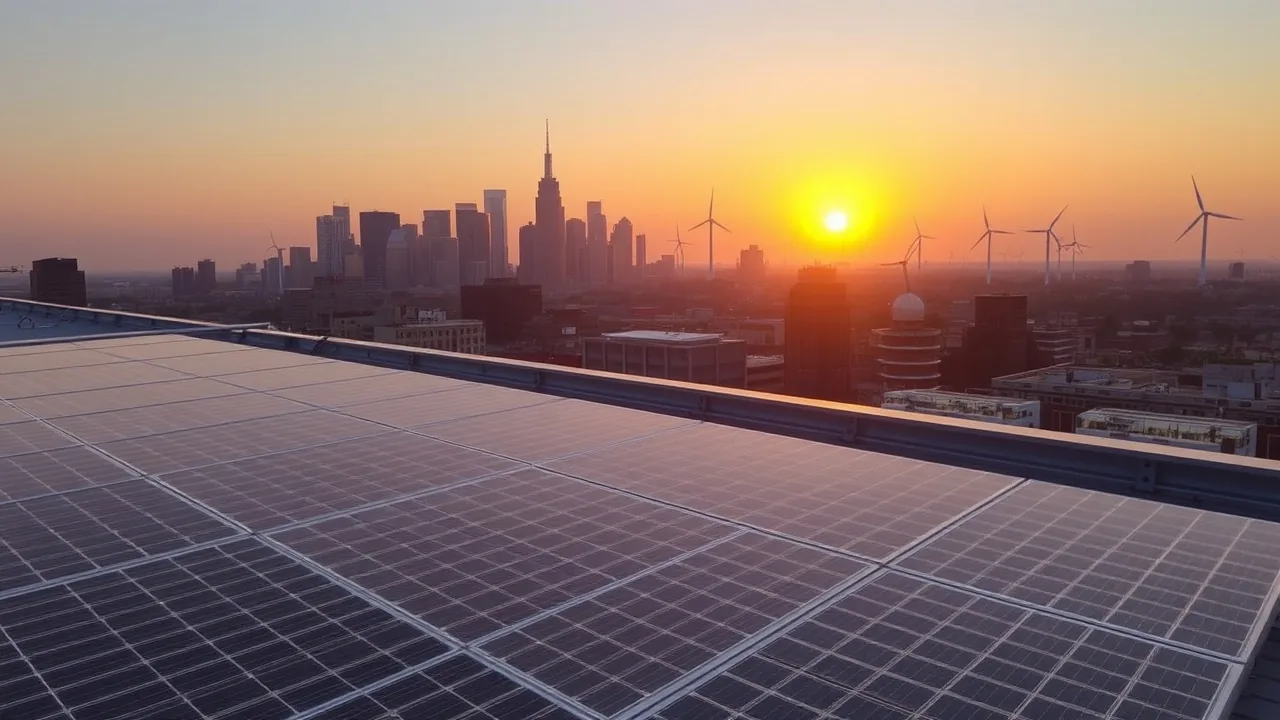
Renewable energy capacity reached a record 4.4 terawatts globally by mid-2026, driven by falling costs and heightened climate commitments from major economies. Solar installations alone expanded 25 percent year-over-year, signaling a decisive shift away from fossil fuels that now accounts for less than 80 percent of global electricity generation for the first time.
The momentum reflects both regulatory pressure and market forces. The U.S. Inflation Reduction Act, extended through 2026, continues offering tax credits for solar power installations, energy storage, and grid modernization. Simultaneously, battery pack prices have fallen to $95 per kilowatt-hour, making grid-scale storage economically viable in regions previously dependent on coal.
"We are witnessing a fundamental transition in how energy is produced and distributed," says Dr. Elena Vasquez, energy policy director at the Global Sustainability Institute. "The cost trajectory of renewables has eliminated the need for subsidies in most markets. Profitability is now the primary driver."
Emerging Technologies Reshaping the Grid
Advanced battery systems and green tech innovations are addressing the intermittency challenges that plagued renewables a decade ago. Long-duration energy storage (LDES) technologies, including flow batteries and compressed air systems, now enable wind and solar farms to deliver consistent power even during multi-day cloudy periods.
Three transformative technologies dominate the 2026 landscape:
- Solid-state batteries: Energy density improvements of 40 percent over lithium-ion, with faster charging and longer lifespan.
- Floating solar arrays: Deployed on reservoirs and agricultural water bodies, reducing evaporation while generating power.
- Green hydrogen production: Electrolyzers powered by renewable electricity are now cost-competitive with natural gas reforming in five major markets.
Denmark and Scotland lead in offshore wind expansion, with turbines generating over 70 gigawatts of capacity. Meanwhile, Japan's investment in floating wind platforms signals growing deployment in deeper waters unsuitable for traditional foundations.
Corporate Commitments and Supply Chain Shifts
Major corporations have tied operational decisions to renewable energy adoption. Microsoft, Apple, and Google collectively signed power purchase agreements for 150 gigawatts of capacity through 2030, locking in prices and spurring regional development of solar and wind infrastructure.
Manufacturing is relocating toward regions with abundant renewable resources. Texas, which now generates more wind power than any other state, has attracted chipmakers, battery manufacturers, and EV assembly plants seeking stable clean electricity supplies and federal incentives.
The transition also reshapes international trade. Companies manufacturing components for climate tech applications face scrutiny over supply chain labor and environmental standards. The EU's Carbon Border Adjustment Mechanism (CBAM), fully operational since January 2026, imposes tariffs on carbon-intensive imports, accelerating localization of renewable equipment production.
Tariff revenue from CBAM has already exceeded 2 billion euros, with proceeds directed toward green industrial policy and developing nations' climate adaptation programs.
Challenges and Realistic Timelines
Progress masks persistent obstacles. Grid infrastructure in most developed nations remains outdated, requiring $1.5 trillion in investment through 2035 to accommodate distributed renewable resources and enable long-distance transmission of wind power from plains states to coastal population centers.
Mining for battery materials presents its own trade-offs. Lithium extraction in South America and cobalt sourcing in central Africa raise water availability and labor rights concerns. Recycling infrastructure is expanding but still recovers only 40 percent of materials from spent batteries.
Political volatility adds uncertainty. Several states rolled back renewable energy mandates in early 2026, citing grid reliability fears that independent analyses dispute. Nuclear power, dormant in the U.S. for two decades, is experiencing renewed interest as utilities seek carbon-free baseload power, though construction timelines extend 10 to 15 years.
Storage deployment lags generation capacity. Batteries and other environmental solutions account for only 15 percent of renewable installations, leaving grids vulnerable to supply mismatches during seasonal transitions.
Despite headwinds, investment banking data shows $550 billion flowing into renewable energy and grid modernization globally in the first half of 2026 alone, outpacing fossil fuel investment by a factor of three. Industry analysts project that renewables will supply 45 percent of global electricity by 2030, up from 28 percent in 2025.
The convergence of technology maturity, cost reductions, and policy support signals that 2026 marks a decisive inflection point. Clean energy is no longer a fringe sector or idealistic venture; it is infrastructure upon which economic growth increasingly depends.