
Atlantic Ocean Radioactive Waste Leak Raises Environmental Concerns
Decades after dumping, radioactive waste barrels in the Atlantic Ocean are reportedly leaking. The extent of the environmental impact remains a significant concern for marine ecosystems.

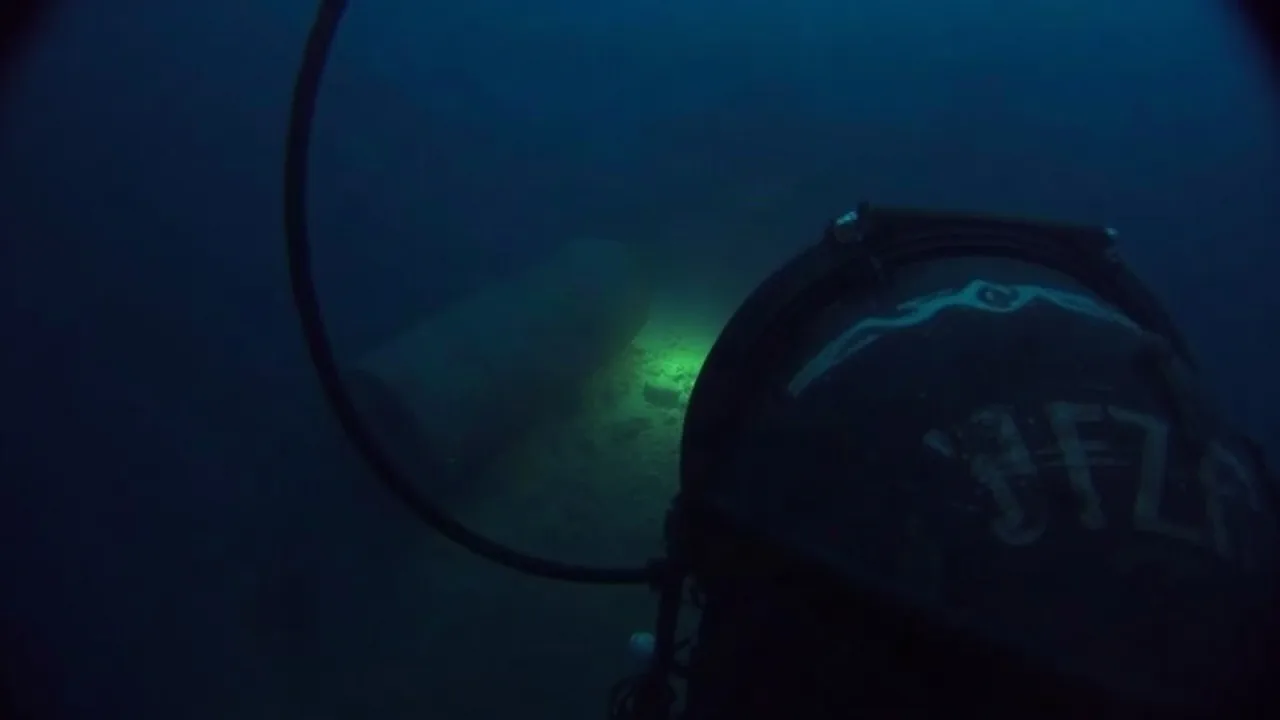
A vast amount of radioactive waste, estimated at around 200,000 barrels, was deliberately deposited into the northeast Atlantic Ocean by several European countries, including the UK, France, and Switzerland, between 1946 and 1993. While the practice was outlawed in 1993, recent investigations are beginning to reveal the potential consequences of this decades-long disposal. Reports indicate that some of these buried containers are now showing signs of leakage, raising serious environmental alarms.
The sheer volume of material dumped is staggering. Over nearly five decades, approximately 200,000 barrels, containing a significant quantity of radioactive materials, were submerged in deep ocean waters. The primary dumping site was located in the northeast Atlantic, a region now under scrutiny as scientific surveys descend to assess the condition of these submerged repositories. The materials within these barrels pose a long-term threat to marine life and potentially to human health through the food chain.
Environmental Risks of Submerged Waste
The potential for leakage from these aging containers presents a substantial environmental hazard. Radioactive isotopes released into the ocean can persist for thousands of years, contaminating marine ecosystems. These substances can be absorbed by plankton and small organisms, moving up the food chain and accumulating in larger species. The long-term effects on marine biodiversity and the health of ocean environments are still largely unknown but are a growing concern for scientists and environmental agencies.
Historical records indicate that a significant portion of the waste was not precisely located, with many containers missing their designated sites. This scattering across the seafloor, estimated to cover about 1,400 square kilometers west of San Francisco in some instances, means that pinpointing all sources of potential contamination is an immense challenge. The lack of precise mapping adds another layer of complexity to monitoring and remediation efforts.
The international community recognized the dangers of ocean dumping, leading to a global ban in 1993 under the Convention on the Prevention of Marine Pollution by Dumping of Wastes and Other Matter, also known as the London Convention. However, the legacy of past practices continues to pose a threat. Current efforts are focused on understanding the scale of the problem and assessing the integrity of the remaining waste containers. This research is crucial for developing strategies to mitigate any ongoing environmental damage and to inform future waste management policies.
The discovery of visible oozing from some of these waste sites underscores the urgency of the situation. Scientists are now tasked with evaluating the rate of leakage, the types of radioactive isotopes being released, and their dispersion patterns in the Atlantic. This comprehensive assessment is vital for predicting potential impacts on marine populations and for advising coastal communities about any potential risks.