
Biden DOJ Audio Lawsuit: Privacy vs. Transparency Battle
A federal lawsuit challenges the Biden administration's handling of audio recordings, raising questions about government records access and individual privacy rights. The case highlights ongoing tension between public transparency and personal data protection.

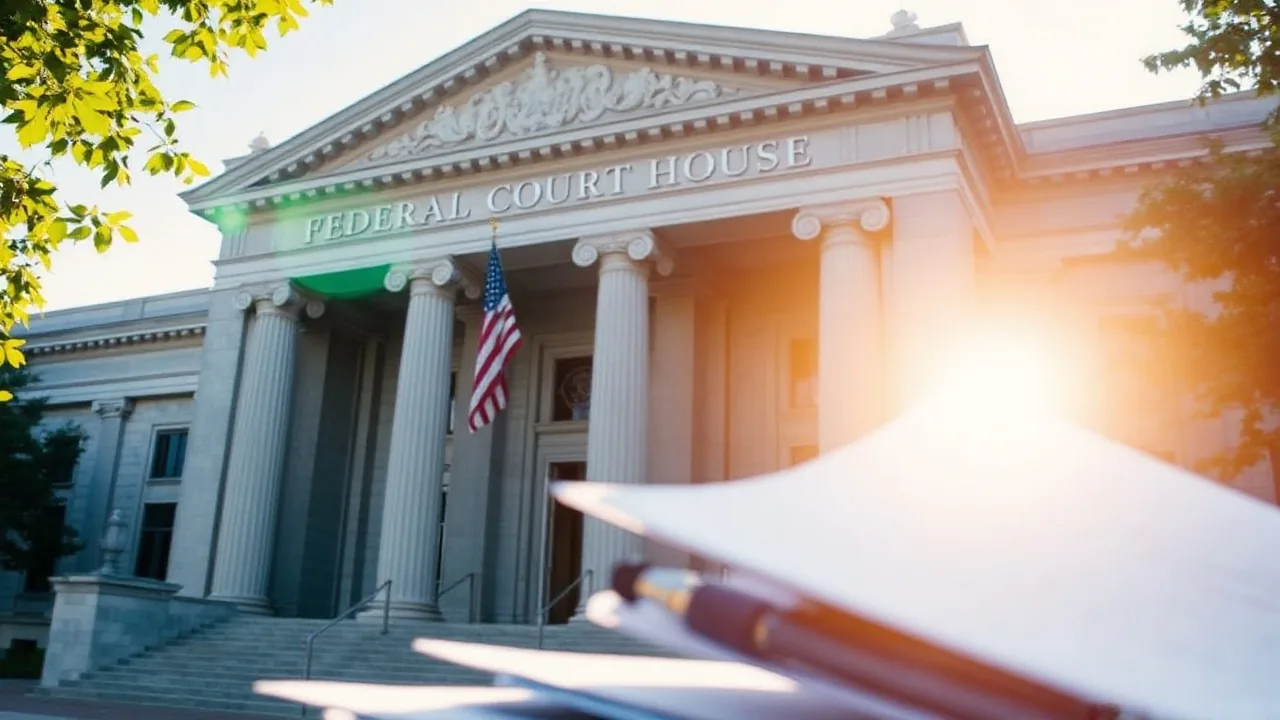
The Department of Justice faces a significant legal challenge over its treatment of audio recordings, a dispute that underscores the friction between government transparency mandates and privacy concerns in the digital age. Filed in federal court in May 2026, the lawsuit questions how executive branch officials have classified and withheld audio materials from public disclosure, testing the limits of the Freedom of Information Act and related statutes.
The case centers on audio recordings of meetings and communications that plaintiffs argue should be subject to public review under disclosure laws. The DOJ has maintained that certain recordings fall under executive privilege or involve classified national security matters, justifying their restricted access.
The Legal Framework at Stake
Federal records law, codified primarily in the Freedom of Information Act (FOIA), generally requires executive agencies to release records upon request unless they fall into specific exemptions. Audio recordings present a modern challenge that lawmakers and courts have only begun to address comprehensively. The Biden DOJ audio lawsuit forces courts to clarify how traditional exemptions apply to audio evidence in the 2026 legal landscape.
"The distinction between protecting legitimate government secrets and stonewalling reasonable public inquiries has become increasingly blurred," according to transparency advocate Rebecca Chen, director of the Government Records Project at Georgetown University. "Audio recordings occupy a gray zone where authenticity, context, and classification methodology all matter significantly."
Previous administrations have faced similar challenges. The Trump administration withheld audio from the Mueller investigation; the Obama administration grappled with classified call recordings. Each case incrementally shaped how courts interpret FOIA exemptions, yet no definitive standard for audio records has emerged.
The current lawsuit names specific audio materials allegedly withheld without proper justification. Plaintiffs contend that the DOJ failed to conduct adequate public interest reviews before denying disclosure, a procedural requirement under FOIA Section 552(b).
Implications for Government Records and Data Privacy
The case carries broader ramifications for how federal agencies manage digital communications. As voice recordings, transcripts, and metadata proliferate across government networks, establishing clear rules becomes essential. The lawsuit's outcome will likely influence how the DOJ and other agencies classify, store, and release audio materials in future FOIA requests.
Privacy advocates worry that broad audio disclosure could chill candid government deliberations. Officials concerned about recorded conversations being publicly aired might self-censor or avoid detailed discussions entirely. Conversely, transparency proponents argue that audio records provide more complete documentation than written summaries, which can be selectively edited or omitted.
Legal scholars point to three key questions the federal court must address:
- Whether audio recordings qualify for executive privilege exemptions at the same rate as written communications
- How classification authority applies when audio contains both classified and unclassified material
- What procedural safeguards agencies must follow before withholding audio under FOIA exemptions
A ruling in favor of broader disclosure could require federal agencies to implement new audio management protocols. Conversely, a decision favoring government withholding might entrench the use of audio classifications as a privacy shield, limiting public access to decision-making processes.
The Intersection of Civil Liberties and Transparency
The Biden DOJ audio lawsuit ultimately reflects a tension embedded in democratic governance. Citizens possess both a fundamental right to know how their government operates and a legitimate interest in protecting private conversations from wholesale exposure. Audio recordings uniquely implicate both interests because they capture not just words but tone, timing, and context that written transcripts cannot convey.
The American Civil Liberties Union filed an amicus brief supporting disclosure in the case, arguing that audio recordings constitute documentary evidence of official decision-making. "When taxpayer-funded government officials meet to discuss policy, that meeting is a public event in substance if not in form," the brief states. "Withholding complete audio records amounts to a taxpayer subsidy for selective narrative control."
The DOJ counters that some recordings involve personal privacy matters unrelated to official business, national security discussions with foreign officials, or attorney-client communications privileged under law. Blanket disclosure would expose sensitive information that existing FOIA exemptions were designed to protect.
The lawsuit is expected to proceed through discovery in summer 2026, with a potential ruling by early 2027. The outcome will shape legal issues surrounding audio evidence, government secrecy, and digital records management for years to come. If the court orders broader disclosure, federal agencies will likely face a compliance rush to review and release audio materials. If the court sides with the DOJ, transparency advocates may pursue legislative remedies to close the audio records loophole.
For now, the case serves as a reminder that legal frameworks designed in the pre-digital era struggle to accommodate modern communication tools. As government increasingly relies on audio meetings, virtual conferences, and recorded deliberations, courts and lawmakers must adapt existing privacy and disclosure principles to fit new technological realities.