
Polycystic Ovary Syndrome: Diagnosis and Treatment Options
PCOS affects up to 1 in 10 women of reproductive age. New diagnostic criteria and personalized treatment strategies in 2026 are improving outcomes for patients seeking fertility and metabolic management.

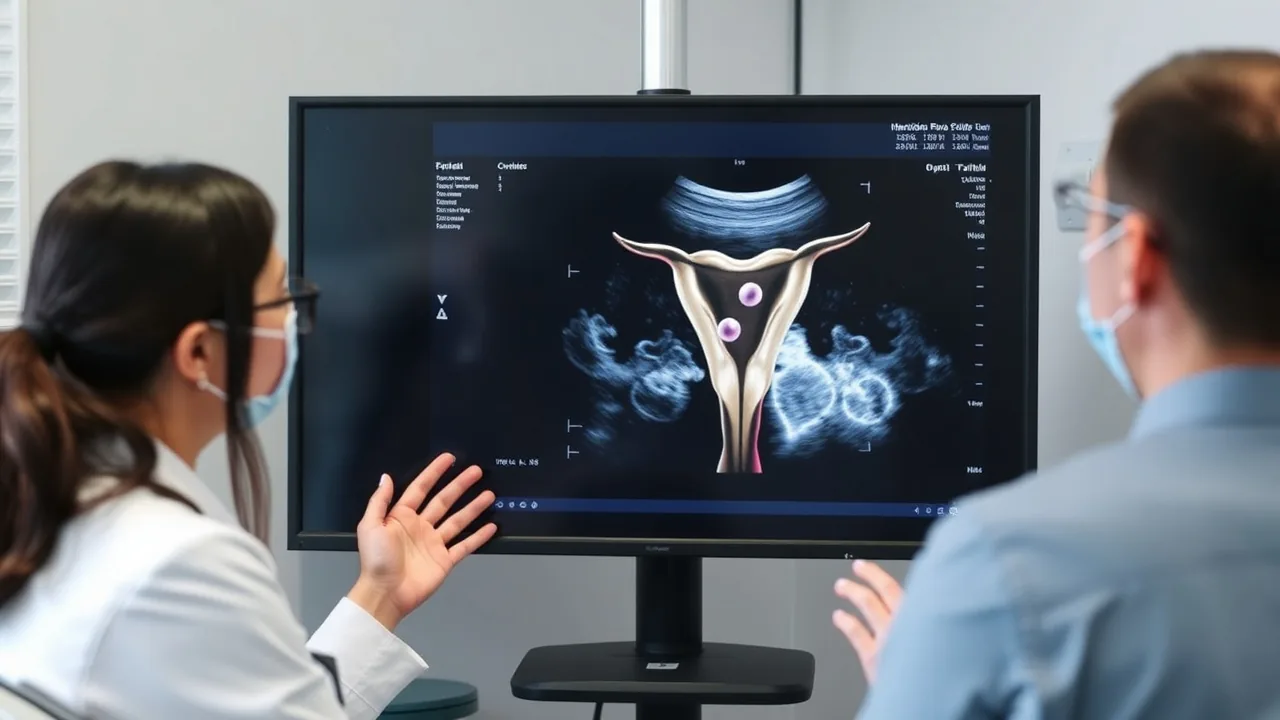
An estimated 6 to 12 million women in the United States live with polycystic ovary syndrome, yet many remain undiagnosed for years. PCOS is an endocrine disorder characterized by irregular menstrual cycles, elevated androgens, and cysts on the ovaries, making it one of the most common causes of infertility in women of reproductive age. Unlike conditions with a single diagnostic test, PCOS relies on clinical judgment and multiple markers, creating both diagnostic delays and treatment confusion among patients and providers.
The Rotterdam criteria, established in 2003, remain the gold standard for diagnosis: two of three features must be present, including irregular periods, clinical or biochemical hyperandrogenism, and polycystic ovarian morphology on ultrasound. However, distinguishing PCOS from other endocrine disorders that mimic its presentation continues to challenge practitioners, particularly in women under 20 and those nearing menopause.
Dr. Sarah Chen, reproductive endocrinologist at Massachusetts General Hospital, notes that "diagnosis has become more nuanced in 2026. We now screen more carefully for thyroid dysfunction, prolactin elevation, and Cushing syndrome before confirming PCOS, which prevents years of misdirected treatment." This refined approach reflects a shift toward precision diagnosis in women's health.
Symptoms and Early Recognition
Women's health practitioners recognize PCOS by a constellation of signs rather than a single marker. Common presentations include:
- Irregular or absent menstrual periods
- Excess facial or body hair (hirsutism)
- Acne or oily skin
- Male-pattern baldness or thinning hair
- Difficulty conceiving
- Weight gain or difficulty losing weight
- Darkened skin patches (acanthosis nigricans)
- Pelvic pain or discomfort
Severity varies dramatically between individuals. Some women experience severe hirsutism and irregular cycles; others have minimal symptoms but discover cystic ovaries incidentally during imaging. This heterogeneity means screening protocols must remain broad and patient-centered.
Age at symptom onset typically falls between 20 and 40, though adolescents and perimenopausal women can develop PCOS. Early recognition matters because reproductive health outcomes and cardiovascular risk improve significantly with prompt intervention.
Management Strategies and Treatment Evolution in 2026
Treatment for PCOS has expanded considerably beyond hormonal contraceptives. Clinicians now tailor interventions to each patient's primary concern: fertility, metabolic health, hirsutism, or menstrual regularity.
Lifestyle modification remains the cornerstone. A 5 to 10 percent reduction in body weight can restore ovulation in obese women with PCOS, improve insulin sensitivity, and reduce androgen levels. Medical nutrition therapy emphasizing whole grains, lean proteins, and low-glycemic foods shows measurable benefit in clinical trials published through 2026.
Pharmacologic approaches now include:
- Metformin - reduces insulin resistance and improves ovulation rates; particularly effective in women with impaired glucose tolerance
- Inositol supplements - emerging evidence supports myo-inositol and d-chiro-inositol combinations for metabolic and reproductive outcomes
- GLP-1 receptor agonists - newer data from 2025-2026 show promise in PCOS-related weight management and insulin sensitivity, expanding beyond diabetes indications
- Spironolactone - anti-androgenic agent for hirsutism and acne
- Combined oral contraceptives - regulate menstrual cycles and suppress androgens; choice of progestin matters for individual tolerability
Fertility treatment for PCOS has become more refined. Letrozole, an aromatase inhibitor, is now often preferred over clomiphene citrate as first-line ovulation induction because it carries lower risk of ovarian hyperstimulation and multiple pregnancy. For women not conceiving after six cycles of ovulation induction, in vitro fertilization remains highly effective, with PCOS patients showing comparable success rates to other diagnoses when controlled ovarian hyperstimulation is optimized.
Metabolic screening has become standard practice. All PCOS patients warrant baseline assessment for fasting glucose, two-hour glucose tolerance test, and lipid panel because PCOS confers a three to fourfold increased risk of type 2 diabetes and a two to threefold increased risk of metabolic syndrome compared to age-matched controls.
Cardiovascular risk assessment and counseling are equally important. Although PCOS does not universally predict early myocardial infarction, women with PCOS and additional metabolic derangements benefit from aggressive lipid management, blood pressure control, and smoking cessation counseling.
Psychological support deserves mention. PCOS frequently accompanies depression and anxiety, partly due to hormonal dysregulation and partly due to the psychosocial burden of infertility, cosmetic concerns, and chronic disease management. Integrated care models that include mental health screening and access to counseling improve treatment adherence and quality of life.
What Patients Should Know Now
PCOS is not curable, but it is highly manageable. Individual response to treatment varies, requiring patience and willingness to adjust strategies over time. PCOS does not automatically prevent pregnancy; many women conceive with appropriate support.
Registry data from 2026 show that women diagnosed and treated early enjoy better long-term metabolic and reproductive outcomes than those with diagnostic delays. Seeking care from providers experienced in PCOS management—whether reproductive endocrinologists, gynecologists, or internists—substantially improves diagnostic accuracy and treatment satisfaction.
Support networks and patient advocacy groups provide valuable peer education and reduce the isolation many newly diagnosed women feel. Staying informed about emerging therapies and maintaining open communication with care providers remain key to thriving with PCOS.