
Nikon Small World Contest Disqualifies AI-Generated Video
A video that won first place in the Nikon Small World contest was disqualified after it was revealed to have used generative AI. The contest organizers cited a violation of their rules against artificial manipulation.

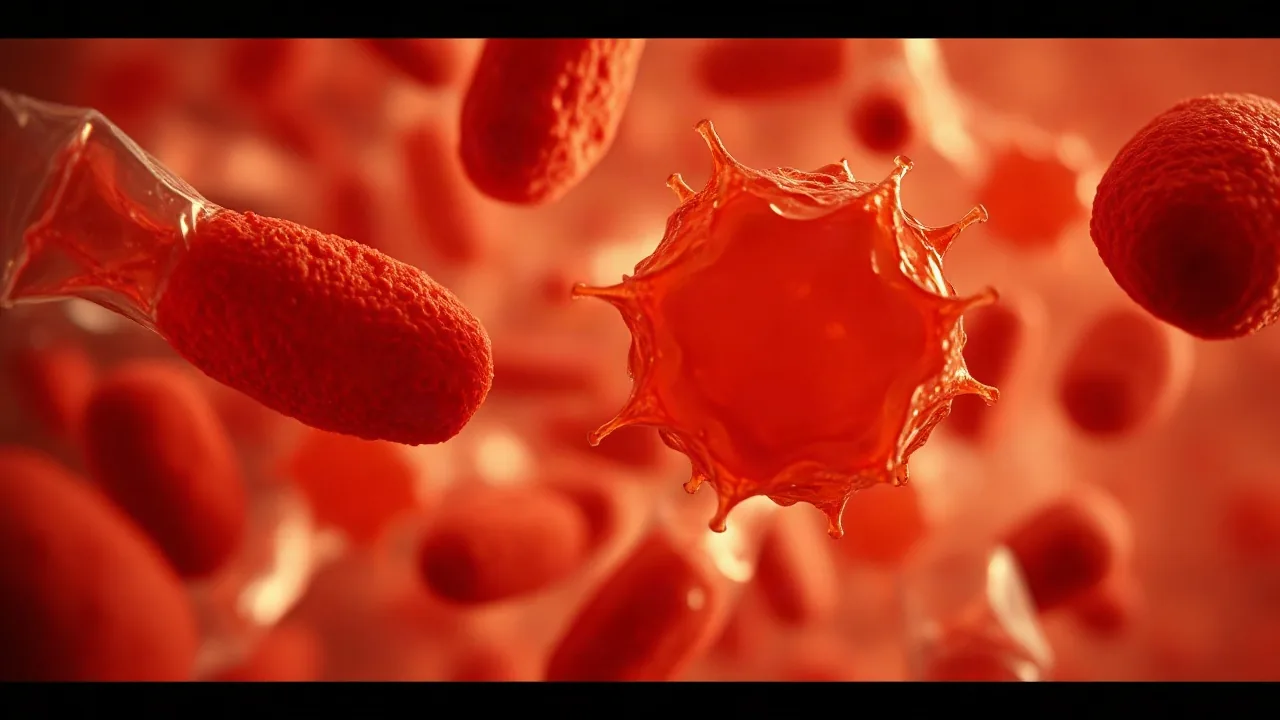
The prestigious Nikon Small World in Motion contest, which celebrates the art and science of microscopic imaging, has a new first-place winner after the original recipient was disqualified for using generative artificial intelligence. The decision, announced by Nikon on October 3, 2026, came after an investigation into the winning video, which initially captivated judges with its stunning visuals.
The video, titled "The Shape of Life," was submitted by an artist who utilized generative AI tools to create elements of the microscopic footage. While the use of AI in creative fields is rapidly expanding, scientific contests often have strict rules against artificial manipulation to ensure the integrity of the data and the authenticity of the observed phenomena. Nikon's Small World competition has a long-standing policy prohibiting digitally altered images that misrepresent the subject matter.
"While we encourage innovation and artistic interpretation within the scientific realm, the integrity of the competition relies on authentic representations of the microscopic world," a spokesperson for Nikon Instruments stated. "The use of generative AI, in this instance, was found to violate our contest's guidelines, which prohibit significant digital manipulation that misrepresents the actual observed specimen."
Unforeseen Consequences of AI in Scientific Contests
The disqualification has sparked a broader conversation within the scientific and artistic communities about the appropriate use of artificial intelligence in competitions that value empirical observation and genuine representation. Many participants and observers have expressed mixed feelings, acknowledging the impressive aesthetic qualities of the AI-enhanced video while upholding the importance of adherence to contest rules.
The controversy highlights a growing challenge for organizations hosting creative and scientific competitions in the age of advanced AI tools. As AI can generate highly realistic images and videos from simple prompts, discerning between genuine footage and AI-generated content is becoming increasingly difficult. This incident at the Nikon Small World competition serves as a critical case study for how such organizations will need to adapt their rules and verification processes moving forward.
The initial winner, who has not been publicly named by Nikon following the disqualification, submitted a video showcasing intricate cellular structures and dynamic biological processes. The AI-generated components were reportedly integrated seamlessly, making the artificial manipulation difficult to detect without thorough scrutiny. The prize money and recognition associated with the first-place award will now be given to the second-place entry.
In response to the situation, Nikon Instruments has indicated it will review and potentially update its submission guidelines for future competitions to provide clearer definitions regarding the use of artificial intelligence and digital manipulation. The company emphasized its commitment to fostering genuine scientific inquiry and artistic expression through its long-running contest.