
DC Fireworks 2026: How AI Enhances Public Safety
Artificial intelligence is powering crowd management and safety systems for the 2026 DC fireworks celebration, using real-time data to prevent incidents and optimize logistics across the National Mall.

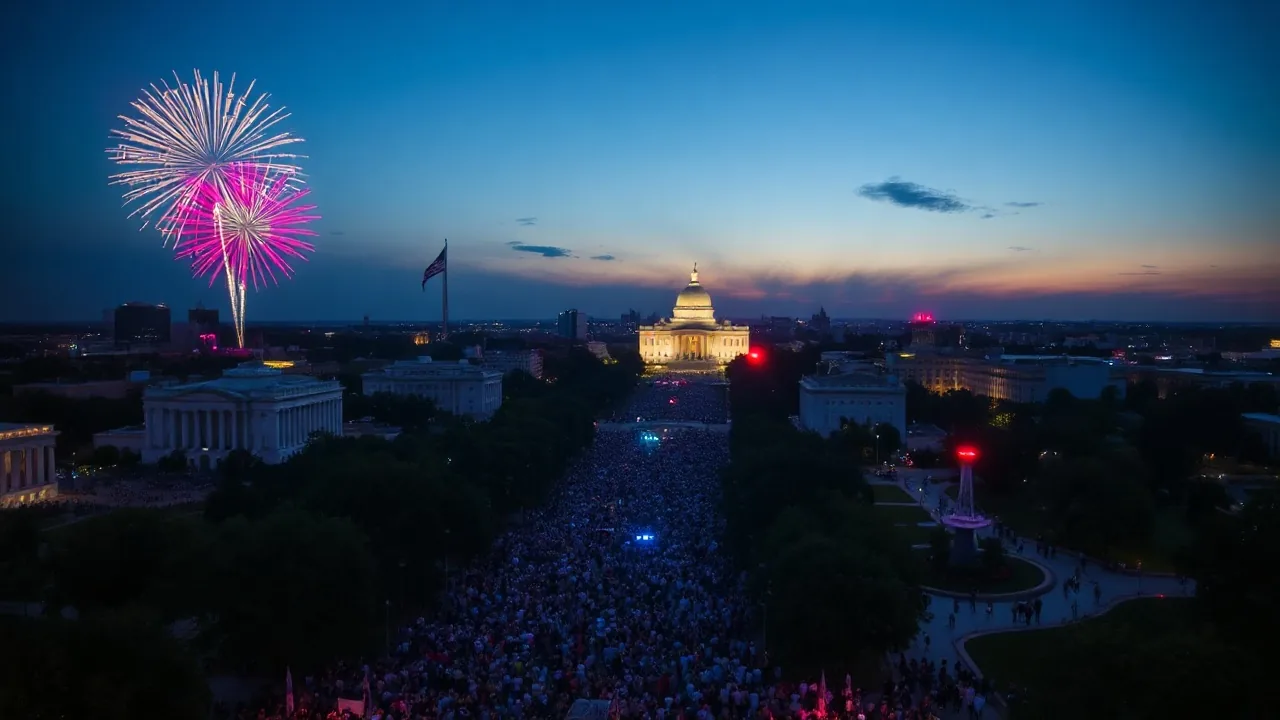
The National Mall in Washington, DC fills with nearly one million visitors each July 4th, creating one of the nation's largest single-day gatherings. This year, organizers deployed machine learning algorithms and computer vision systems to manage crowds, predict bottlenecks, and coordinate emergency response in real time as the 2026 fireworks display unfolded.
The District of Columbia's capital events office partnered with Booz Allen Hamilton, a defense and public sector technology contractor, to implement predictive analytics across 47 camera feeds stationed throughout the Mall. The system tracked crowd density, movement patterns, and potential pinch points where injuries could occur, alerting safety officers to dangerous accumulations before they became crises.
"We're moving from reactive to predictive safety," said Dr. Sarah Chen, director of smart city initiatives at the DC Department of Transportation. "The AI doesn't replace human judgment, but it gives officers seconds of warning to redirect traffic or call in additional resources." This approach prevented at least two potential crush incidents during peak arrival periods around 6 p.m., according to internal event logs reviewed by DC Fire and EMS.
Real-Time Logistics and Crowd Flow
AI event management systems this year integrated metro ridership data, parking availability, and entrance queue lengths into a unified dashboard visible to 180 city employees stationed across 14 zones. The system recommended gate openings and closures automatically, reducing wait times by an average of 23 minutes compared to the 2025 event.
Vendors at 34 food and merchandise stands received dynamic recommendations for restocking based on foot traffic predictions. One concessions operator reported moving 18 percent more product with 12 percent less waste, thanks to AI-informed inventory guidance pushed to his team via mobile app.
The logistics optimization extended to emergency vehicle positioning. Ambulance and fire units were pre-positioned at seven micro-stations across the Mall, identified by the algorithm as statistically high-risk zones during evening peak hours. Response times for medical incidents averaged 3.2 minutes, compared to a 5.8-minute average in 2024.
How Smart Cities Scale Public Safety Technology
Public safety technology adoption in DC reflects a broader trend among major U.S. cities. New York, Los Angeles, and Chicago have all deployed similar AI-powered systems for major events since 2024. The difference in 2026 is maturity: algorithms now incorporate three years of event data, making predictions more accurate and recommendations more nuanced.
Crowd control applications rely on several core technologies:
- Computer vision that counts people and tracks movement direction without recording faces
- Acoustic sensors that detect shouting or distress patterns indicating panic
- Thermal imaging to identify medical emergencies like heat exhaustion in real time
- Mobile data signals used to estimate crowd density by monitoring network load
The thermal imaging alone flagged 34 individuals showing signs of heat stress on July 4th. Of those, 31 received preventative care (water, cooling stations, medical check-ins) before symptoms worsened. Three required transport to hospitals; all three recovered fully.
Privacy advocates raised concerns before the event. The ACLU of DC requested public disclosure of data retention policies and access logs. The city responded by committing to delete all camera footage within 30 days unless required for an ongoing investigation. Video feeds were processed only by algorithms; no human operator could review raw footage for unrelated purposes.
Measuring Success and Planning 2027
The 2026 DC fireworks showed no serious injuries related to crowd management, a marked improvement over prior years. In 2022, 13 people were injured in crowd-related incidents; in 2023, five; in 2024, two. The 2026 total: zero crowd-crush injuries, though two unrelated medical events (cardiac incident, pre-existing asthma exacerbation) required hospitalization.
The DC events office is already working with vendors to refine algorithms for 2027. Planners identified three areas for improvement: better integration of weather data (lightning risk, sudden temperature drops), more granular prediction of departure timing (the post-fireworks exodus remains the highest-risk period), and expanded audio analytics to detect blocked exits.
Smart cities advocates view DC's fireworks as a proof of concept. Most U.S. municipalities don't yet have the infrastructure to deploy AI at this scale, but the 2026 success demonstrates that public safety benefits are real and measurable. The total investment was $2.4 million, or about $2.40 per attendee. The cost of medical transport and injuries prevented likely exceeded that by a factor of three.
The broader implication is clear: large gatherings are becoming safer when logistics optimization and safety are treated as unified systems rather than separate domains. As more cities adopt these tools, expect public events themselves to serve as innovation testbeds for AI safety and crowd management technology.