
Apple's First Foldable iPhone Expected Next Month
Apple is reportedly set to unveil its first foldable iPhone next month, a move analysts believe could significantly reshape the smartphone market and bring the niche technology to the mainstream.

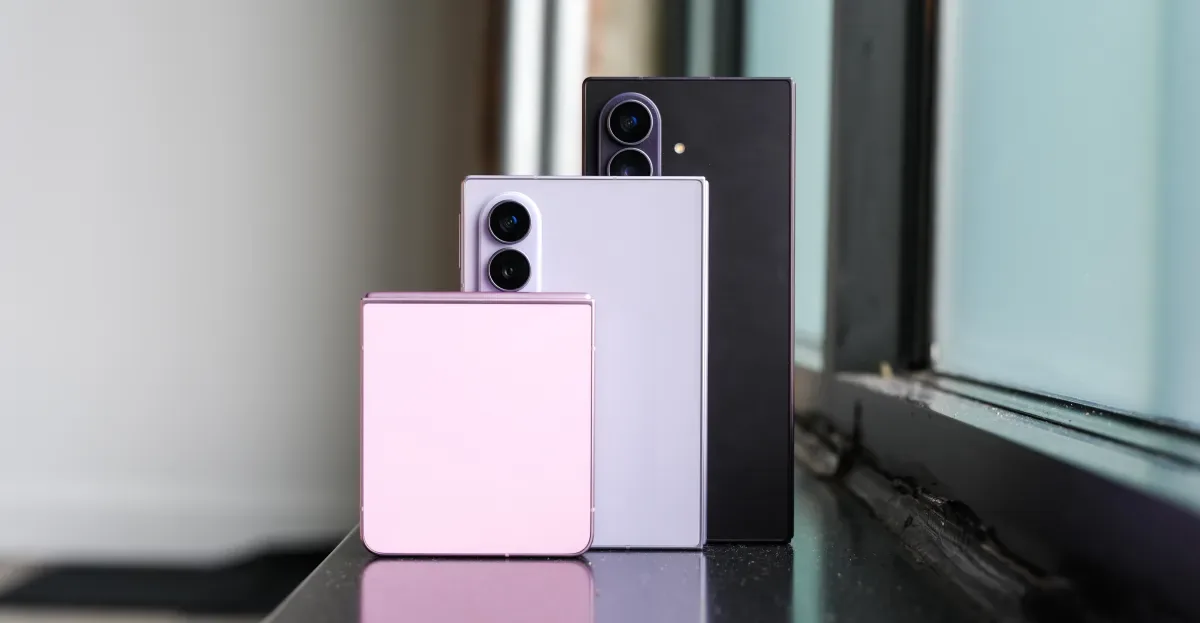
Apple is widely expected to launch its inaugural foldable iPhone next month, potentially marking a pivotal moment for the burgeoning foldable smartphone market. The device's anticipated arrival is poised to draw attention to a segment that, despite significant technological advancements, has remained a niche offering, comprising just 1.6 percent of the global smartphone market in 2025, according to Counterpoint Research.
The company's entry into the foldable space, rumored to coincide with the release of the iPhone 18 Pro models, could usher in a new era for the technology. Analysts are optimistic about Apple's potential impact, with IDC analyst Francisco Jeronimo predicting that Apple could capture 34 percent of the foldable market value within its first year. This projection hinges on Apple's ability to attract a broader customer base, potentially converting skeptics to the foldable form factor, or appealing to those specifically waiting for an iOS-powered foldable device.
The Evolving Foldable Landscape
The journey of foldable phones began with early, often flawed, devices like the Royole FlexPai and the initial Samsung Galaxy Fold, which faced significant durability issues. Over several years, manufacturers have refined the hardware, making foldables thinner, lighter, and more robust. Companies such as Samsung, Google, OnePlus, Oppo, and Honor have introduced various models, with prices gradually decreasing. Cheaper variants, like Motorola's Razr at $799 and Samsung's Z Flip FE at $899, have made the technology more accessible.
Hardware improvements have been substantial. Creases are less visible, displays now often support styluses, and cameras have become more competitive with traditional smartphones. Form factors have also diversified beyond the initial flip-phone and book-style designs. Huawei pioneered new shapes with its Mate XT and Pura X series, while Samsung has followed with its Galaxy Z TriFold and a wider Galaxy Z Fold 8. Durability has reached new heights, with Google's Pixel 10 Pro Fold achieving an IP68 rating, and Honor's Magic V6 surpassing it with an IP69 rating. Innovations like silicon-carbon batteries are enabling thinner devices with longer battery life.
One of the most impressive advancements has been the near-invisibility of the screen crease. Oppo's Find N6, for example, utilizes a sophisticated 3D printing process with photosensitive liquid polymer to fill hinge gaps, resulting in a crease that is exceptionally difficult to detect. While camera technology on foldables still lags slightly behind the top-tier of standard flagship phones, recent offerings from Oppo and Vivo show considerable improvement, comparable to some high-end slab devices. However, cost and design constraints may limit foldables from ever fully matching the absolute best camera systems available on traditional smartphones.
Despite these strides, foldable phones have largely remained a niche product. Their convergence towards more mature designs, thinner profiles, and improved durability has made them less of a novelty and more a practical alternative, though prices still remain a barrier for many consumers. The arrival of Apple, a company known for its ability to influence market trends, could be the catalyst needed to shift foldables from a specialized category to the mainstream market.
The potential impact of Apple's entry is already being felt. Leaks suggest Apple's foldable will feature a wider form factor, a design trend already adopted by competitors like Huawei and Samsung for their recent models. This suggests a potential convergence of design preferences driven by Apple's anticipated product. Other manufacturers like Oppo and Honor are also reportedly working on wider foldable designs, indicating a broader industry shift in anticipation of Apple's market entry.
Whether this leads to wider adoption or serves as a cautionary tale for Android manufacturers who have invested heavily in the foldable segment remains to be seen. The future of trifold designs is also uncertain, with Huawei expressing confidence in its Mate XT sales while Samsung has quietly removed its TriFold from the market. Meanwhile, experimental form factors like rollables are likely still several years away from widespread commercialization, as evidenced by the recent market entry of rollable laptops.