
Apple Axes Jobs in Siri, Vision Pro Units Amid AI Focus
Apple Inc. is laying off employees from its Siri and Vision Pro teams to concentrate resources on artificial intelligence and future hardware development. The cuts also impact teams working on AI features.

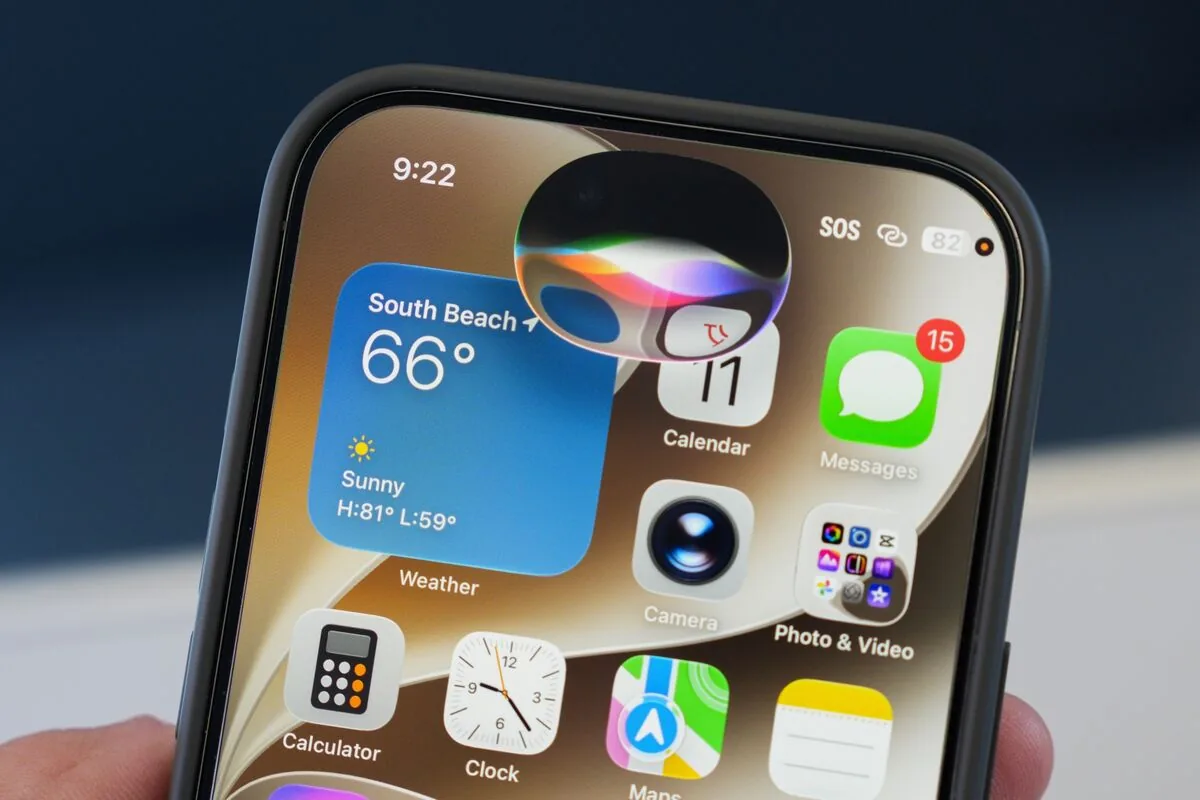
Apple Inc. has initiated a wave of job cuts impacting crucial teams responsible for its Siri digital assistant and the cutting-edge Vision Pro headset. The move signals a strategic pivot towards prioritizing artificial intelligence development and next-generation devices. Employees have also been affected in the Intelligent Systems Experience group, a unit within the broader software engineering organization tasked with developing several AI functionalities for Apple's product ecosystem.
The layoffs, confirmed by individuals familiar with the matter, suggest a significant realignment of Apple's internal priorities. While specific numbers have not been disclosed, the decision to reduce headcount in areas like immersive video and gaming support for the Vision Pro indicates a streamlining effort. This strategic consolidation aims to channel resources more effectively into core areas identified as critical for Apple's future growth, particularly in the burgeoning field of artificial intelligence.
AI as a Core Pillar
This restructuring underscores Apple's increasing commitment to AI. The company has been investing heavily in AI research and development, aiming to integrate more sophisticated intelligent features across its product lines, from iPhones and iPads to Macs and wearable devices. The Vision Pro, Apple's ambitious mixed-reality headset launched earlier in 2026, represents a significant bet on the future of spatial computing, and its long-term success is increasingly tied to advanced AI capabilities. Similarly, the Siri team's work is fundamental to enhancing user interaction and personalization on Apple devices.
Sources indicate that the cuts extend to teams working on the underlying AI technologies that power many of Apple's services. This includes areas such as machine learning and natural language processing, which are essential for improving both Siri's responsiveness and the intelligent features embedded within applications. By streamlining these operations, Apple appears to be consolidating expertise and resources to accelerate innovation in these key AI domains.
The tech giant has historically been cautious about publicizing its AI advancements, often integrating them subtly into product updates rather than making grand pronouncements. However, the company's recent patent filings and recruitment efforts suggest a more aggressive push into areas like generative AI, which could be integrated into future software and hardware offerings. The recent job reductions are likely a component of this broader strategy, ensuring that the most promising AI projects receive adequate funding and attention.
Apple's approach to AI development has often been characterized by a focus on user privacy and on-device processing, differentiating it from some competitors who rely more heavily on cloud-based solutions. This emphasis on privacy is expected to continue guiding its AI initiatives, including those related to the Vision Pro and its immersive applications. The company is keen to build AI features that are both powerful and trustworthy, maintaining the confidence of its user base.
The layoffs are not necessarily indicative of a broader downturn for Apple, but rather a recalibration of its internal investment strategy. By reducing headcount in certain areas, the company can reallocate talent and capital to emerging technologies and projects deemed more vital for its long-term competitive edge. The focus on artificial intelligence and next-generation hardware like the Vision Pro suggests Apple is preparing for a future where these technologies play an even more central role in consumer electronics.