
AI media analysis reshapes how music trends reach audiences
Machine learning algorithms are now analyzing artist performance, listener behavior, and trending content in real time, fundamentally changing how music labels and media platforms discover and promote emerging talent.

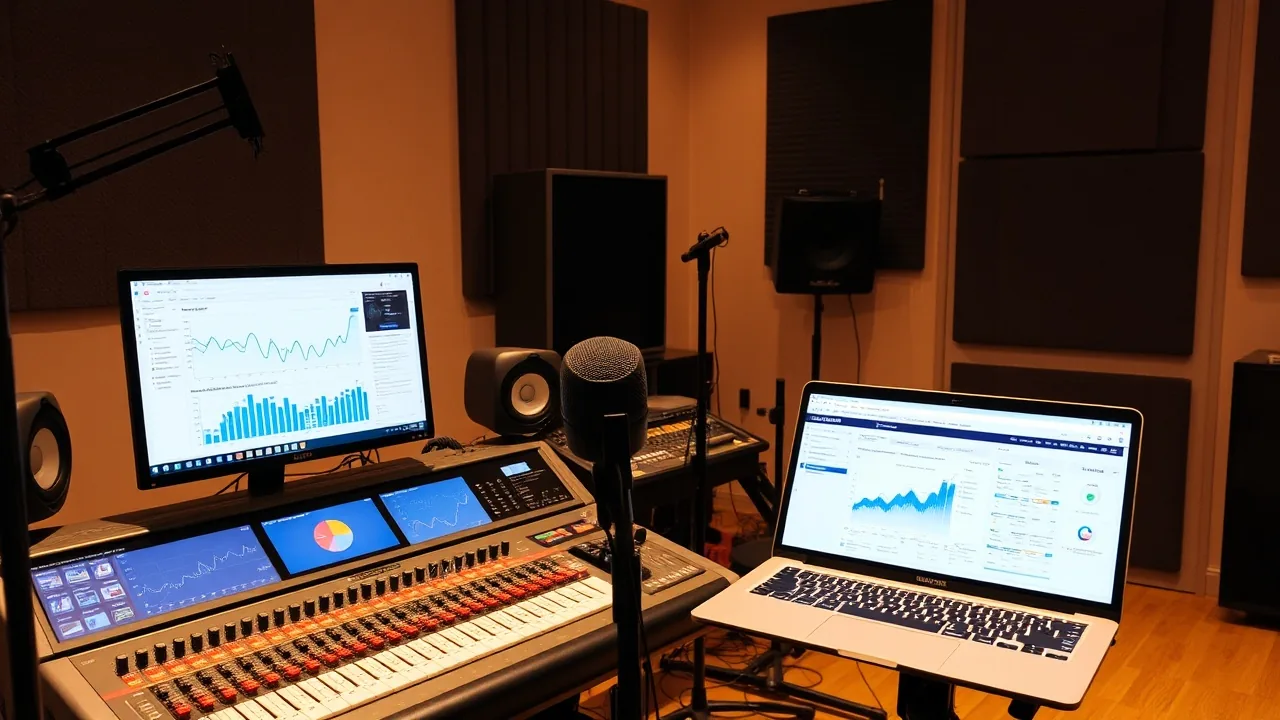
Music streaming platforms processed over 2.4 trillion song plays in 2025, and artificial intelligence is now the invisible hand steering which artists get promoted and which remain buried in algorithmic obscurity. The shift toward AI media analysis in the music industry has accelerated sharply over the past 18 months, driven by an urgent need for labels and platforms to decode listener behavior at scale.
Spotify, Apple Music, and YouTube have deployed machine learning systems that ingest listener data, streaming duration, playlist skips, social media mentions, and demographic patterns to predict which songs will trend weeks before radio stations play them. This capability has become essential infrastructure rather than a competitive advantage.
How algorithms now predict and shape music trends
The predictive power of these systems relies on analyzing thousands of data points simultaneously. Platforms track not just total streams, but user retention curves, regional performance variations, and cross-platform momentum. A song gaining traction in Gen-Z playlists on TikTok feeds directly into Spotify's recommendation engine, which then surfaces it to millions of listeners curated by demographic and listening history.
"Machine learning models can now identify emerging artists three to six months before they achieve mainstream visibility," says Maria Chen, senior analyst at MediaTech Insights. "The algorithms are looking at listener engagement patterns, not just raw play counts. A song with 100,000 highly engaged listeners across niche communities is often a stronger indicator of longevity than one with a million casual plays."
This shift has created measurable advantages for early movers. Labels that adopt advanced artist analytics systems report 35-45 percent faster identification of breakout talent compared to traditional A&R methods. The data doesn't replace human judgment; it augments it with statistical rigor that human scouts simply cannot match across the volume of music released daily.
In July 2026, major streaming services have integrated content strategy tools that use predictive AI to recommend which artists should receive playlist placement investment. These recommendations now include confidence scores and projected audience reach, allowing marketing teams to allocate budgets with greater precision.
Reshaping content creation and audience engagement
The impact extends beyond discovery into how artists themselves create music. Some emerging artists now use machine learning feedback tools to test song arrangements, lyrics, and production choices against patterns that correlate with streaming success. While this raises questions about artistic authenticity, it has also democratized access to data that previously belonged only to major labels.
Independent artists can now subscribe to analytics platforms that break down their listener demographics, geographic spread, and engagement patterns in real time. Services like Splice, Soundcharts, and Chartmetric provide detailed insights into which playlists are driving plays and which promotional tactics yield the highest listener retention.
- Playlist placement algorithms now weigh listener skip rates, rewind behavior, and sharing frequency to determine ranking
- Social media sentiment analysis feeds directly into platform recommendation systems, amplifying songs with strong community engagement
- Regional trend prediction models allow labels to launch targeted marketing campaigns weeks before mainstream coverage
- AI-powered A&B testing on song metadata (title, description, imagery) optimizes conversion rates for playlist additions
This data-driven approach has fundamentally altered power dynamics in the music industry. Emerging artists with strong engagement metrics can now negotiate better terms with labels, since they have concrete proof of audience demand rather than relying on label gatekeepers to validate their potential.
Why this matters for media strategy in 2026
The broader media landscape is consolidating around content strategy powered by AI analysis. Podcasts, film studios, and publishing houses are adopting similar predictive models to forecast which content will resonate with audiences. The music industry, with its abundance of quantifiable data and rapid feedback loops, serves as the proving ground for these techniques.
Media executives now expect AI analytics to inform every major investment decision. A film studio analyzing audience reception of trailers uses the same machine learning frameworks that Spotify uses to predict chart performance. The methodologies are portable across creative industries.
For content creators and music professionals, the implication is clear: data literacy has become as essential as creative talent. Understanding how algorithms evaluate engagement, how playlists rank music, and how trend prediction works is now a core professional competency. The artists and labels that master these systems gain measurable advantages in visibility and revenue.
By mid-2026, resistance to AI-driven analysis in media has largely faded. Instead, the conversation has shifted toward fairness, transparency, and whether algorithmic promotion adequately serves independent artists and underrepresented genres. These questions will likely shape media industry policy for the next several years.