
Adopted Daughter's Biological Grandmother Seeks Truth About Her Selection
An adoptive mother seeks advice on how to tell her adopted daughter's biological grandmother the complex truth about her daughter's past and the selection process.

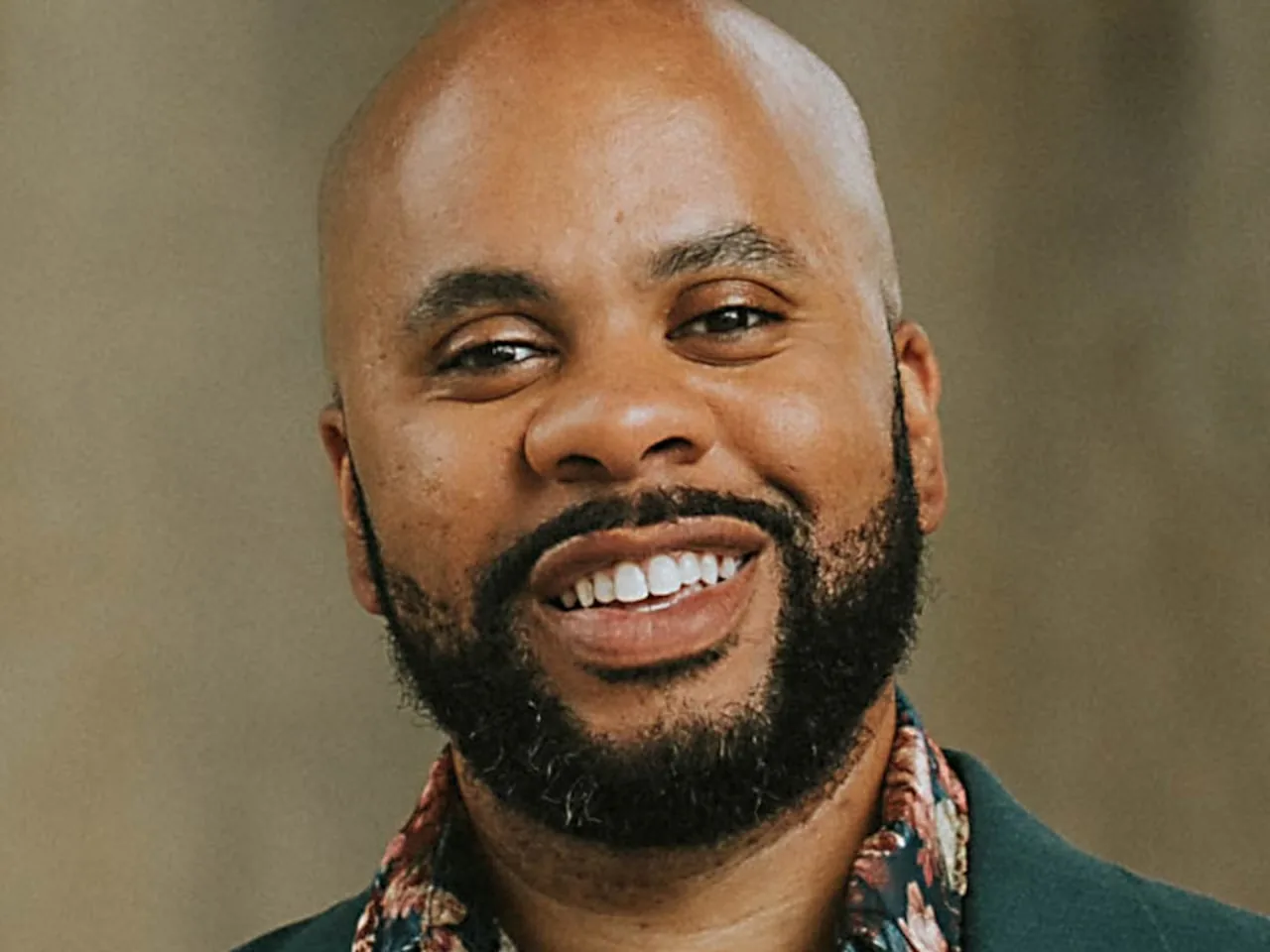
A complex situation involving adoption, grief, and a biological grandmother's persistent questions is prompting an adoptive mother to seek guidance on navigating a sensitive conversation. The adoptive mother, identified as "Motherhood Truth," reached out to advice columnist R. Eric Thomas for advice on how to respond to the birth grandmother's inquiries about the adoption story.
The child was adopted by "Motherhood Truth" and her spouse about a week after birth. According to the letter writer, the birth mother was struggling with drug addiction and had no plan for the infant when she arrived at the hospital. She relinquished her parental rights without involvement in selecting the adoptive parents, who were chosen by an adoption agency. Tragically, the birth mother died of a drug overdose shortly after the child's birth, meaning the adoptive parents never met her.
For the past five years, the adoptive mother has maintained a correspondence with the birth mother's mother, who is now the adopted daughter's biological grandmother. This relationship has involved sharing photos and updates about the child. The biological grandmother frequently writes about her own daughter and the pain of her loss. She also repeatedly expresses pride and happiness, believing that one of her daughter's final acts was choosing the adoptive parents.
The adoptive mother finds herself in a difficult position, unable to lie to the biological grandmother but also unwilling to share the painful truth about the circumstances of the adoption and the birth mother's struggles. The avoidance has gone on too long, and the grandmother's questions persist, creating mounting pressure for an honest answer.
Navigating Grief and Truth in Adoption
R. Eric Thomas, in his response, acknowledged the understandable nature of the biological grandmother's actions. He suggested that in the face of grief, people often construct narratives from selected facts to process loss and answer lingering questions. While the whole truth may sometimes be difficult to hear, it can ultimately lead to a more healing story.
Thomas advised "Motherhood Truth" to share the truth as she understands it. He proposed a way to frame the conversation: "I know that you’ve been thinking about your daughter choosing us and, because we’ve established this connection, I want to make sure I’m not giving you the wrong impression. The adoption agency acted as an intermediary and so I never met your daughter, but I’m so grateful for the choice she made."
This approach allows the biological grandmother to integrate new information into her personal narrative about her daughter, potentially continuing to feel pride. Thomas emphasized that her pride might not be solely dependent on her daughter's specific choice of parents but rather on her daughter's perceived foresight in ensuring her child would be cared for. The interpretation of a life story can vary, and focusing on the positive aspect of ensuring a child's future can still be a valid and comforting perspective for the grieving grandmother.
The core of the issue lies in the delicate balance between honoring the complex realities of adoption and supporting the emotional needs of a grieving family member. "Motherhood Truth" is seeking to provide an answer that is both truthful and kind, allowing the biological grandmother to maintain a sense of connection and pride while acknowledging the sensitive circumstances surrounding the adoption story. The advice centers on offering clarity without causing undue pain, recognizing that narratives around loss and family can be multifaceted.