
Vulcan Rocket Launches Amazon Satellites on Friday the 13th
United Launch Alliance's Vulcan Centaur rocket is scheduled for its second flight on November 13, 2026, carrying the first batch of Amazon's Project Kuiper satellites from Cape Canaveral.

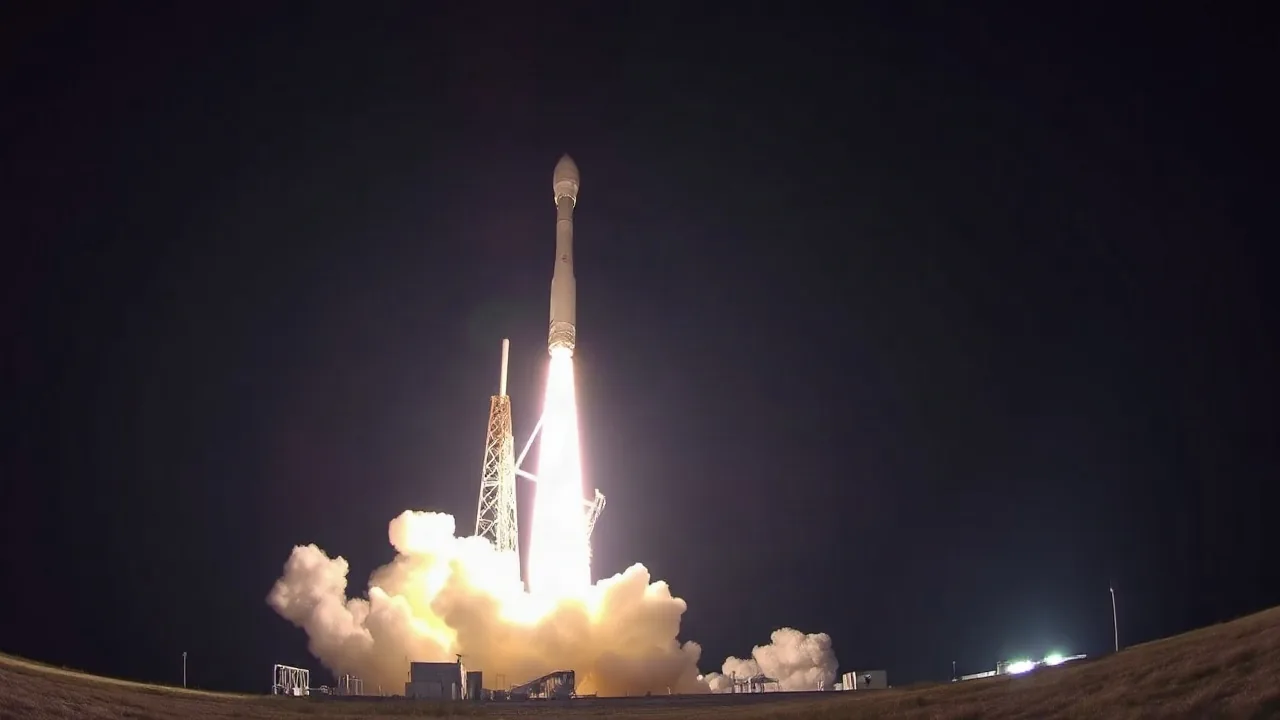
United Launch Alliance (ULA) is preparing for the second flight of its Vulcan Centaur rocket on Friday, November 13, 2026. The mission, originating from Cape Canaveral Space Force Station in Florida, will carry the initial deployment of satellites for Amazon's Project Kuiper constellation. This launch marks a critical step for both ULA's new heavy-lift rocket and Amazon's ambitious satellite internet venture.
The Vulcan rocket's maiden voyage in January 2024 successfully demonstrated its capabilities, but this upcoming mission carries significantly more weight and importance. It signifies the beginning of ULA's commercial launch cadence and the start of Amazon's multi-year deployment plan for its low Earth orbit (LEO) network, which aims to compete with SpaceX's Starlink and other satellite internet providers. A successful launch and satellite deployment are crucial for Amazon's regulatory approval and competitive positioning.
Amazon's Kuiper Constellation Takes Flight
Amazon has contracted with ULA for a significant number of launches to deploy its Kuiper constellation, which will eventually comprise thousands of satellites. This mission, designated as Kuiper 1, will deploy the first two prototype satellites into orbit. These satellites are designed to provide high-speed, low-latency broadband internet services to consumers and businesses worldwide. The success of this initial launch is a major milestone for the Amazon Kuiper program, which has faced its own set of development and launch preparations. ULA’s Vulcan rocket is designed to be a versatile and powerful launch vehicle, capable of delivering heavy payloads to various orbits.
The Vulcan Centaur rocket is ULA's next-generation launch system, intended to replace its aging Atlas V and Delta IV rockets. It features a new first stage powered by two Blue Origin BE-4 engines and a Centaur V upper stage. The rocket's development has been closely watched by the aerospace industry, as ULA seeks to maintain its competitive edge in the increasingly crowded launch market. The company has emphasized the rocket's reliability and cost-effectiveness, crucial factors for attracting commercial customers like Amazon.
This particular launch on November 13th is notable not only for its payload but also for its date, occurring on Friday the 13th. While superstition often surrounds this date, the aerospace industry typically focuses on meticulous planning and technical execution to ensure mission success. ULA engineers and mission control teams will be working to overcome any potential challenges, ensuring the Vulcan rocket performs as expected. The company has spent years refining the rocket's design and conducting extensive testing to minimize risks.
The stakes are high for both ULA and Amazon. For ULA, a successful commercial launch on Vulcan is vital to secure its future in the space launch industry, competing against rivals like SpaceX. For Amazon, the deployment of its Kuiper satellites is a strategic imperative to fulfill its vision of global satellite internet access and secure its market share. This mission represents the first tangible step in that long-term strategy, with many more launches planned in the coming years. The ongoing development and deployment of large satellite constellations highlight the rapidly evolving landscape of space technology and its increasing impact on global communications.