
SpaceX Launches 24 Starlink Satellites from California on Falcon 9
SpaceX is set to deploy 24 Starlink internet satellites from Vandenberg Space Force Base on Friday, August 1st, 2026, aboard a Falcon 9 rocket. This mission adds to the growing constellation in low Earth orbit.

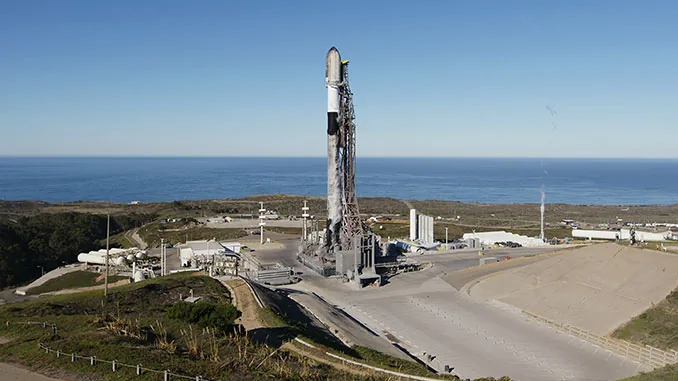
SpaceX is preparing to launch another 24 Starlink internet satellites into orbit on Friday, August 1st, 2026, from Vandenberg Space Force Base in California. Liftoff of the Falcon 9 rocket is scheduled for 8:08 p.m. Pacific Daylight Time (11:08 p.m. Eastern Daylight Time). This mission, designated Starlink 17-52, comes after a slight delay from its originally planned date.
The Falcon 9 first stage booster, designated B1081, will undertake its 26th flight for this mission. This particular booster has a significant history, having supported 15 previous Starlink deployments as well as numerous high-profile missions for NASA and other government agencies. Notable past launches include NASA's Crew-7 mission in August 2023, the CRS-29 cargo resupply in November 2023, and NASA's PACE mission in February 2024. B1081 has also launched the EarthCARE satellite for ESA in May 2024 and multiple national security missions.
Following stage separation approximately eight minutes after liftoff, the B1081 first stage is slated to land autonomously on the droneship "Of Course I Still Love You," stationed in the Pacific Ocean. This landing would mark the 214th successful touchdown on this vessel and the 643rd orbital booster landing in SpaceX's operational history. The mission represents the 90th launch of a Falcon rocket in 2026, including one Falcon Heavy launch, and the 69th mission to deploy Starlink V2 Mini Optimized satellites this year.
Expanding the Starlink Constellation
The Starlink program aims to provide high-speed, low-latency broadband internet access globally, particularly in underserved and rural areas. SpaceX, under the leadership of Elon Musk, has been rapidly expanding the constellation since its inception. Currently, the company has deployed over 10,800 Starlink satellites, with this launch further bolstering its network capabilities. The continuous deployment of these satellites is crucial for SpaceX's strategy to offer robust internet services and generate revenue to fund its ambitious space exploration goals, including missions to Mars.
This launch underscores SpaceX's operational tempo in 2026. The company has consistently met high launch cadence targets, demonstrating its capability to manage complex, multi-mission operations. The successful reuse of boosters like B1081 is a cornerstone of SpaceX's strategy to reduce the cost of space access, making satellite deployments more economical and sustainable. The ability to reliably launch, land, and refurbish these rockets allows for frequent missions without the prohibitive expense of manufacturing entirely new hardware for each flight.
The Starlink constellation operates in low Earth orbit, requiring thousands of satellites to provide continuous global coverage. SpaceX continues to innovate with its satellite designs, introducing new versions like the V2 Mini Optimized satellites to enhance performance and capacity. The company faces competition in the burgeoning market for satellite internet, but its established infrastructure and aggressive deployment schedule give it a significant advantage. The ongoing success of these missions is vital for meeting customer demand and maintaining a competitive edge in the evolving telecommunications landscape.