
Next Lunar Eclipse: 2027 Penumbral Event and 2028 Blood Moon
The next lunar eclipse will be a subtle penumbral event on February 20, 2027. A more dramatic 'Blood Moon' total lunar eclipse is anticipated for New Year's Eve 2028.

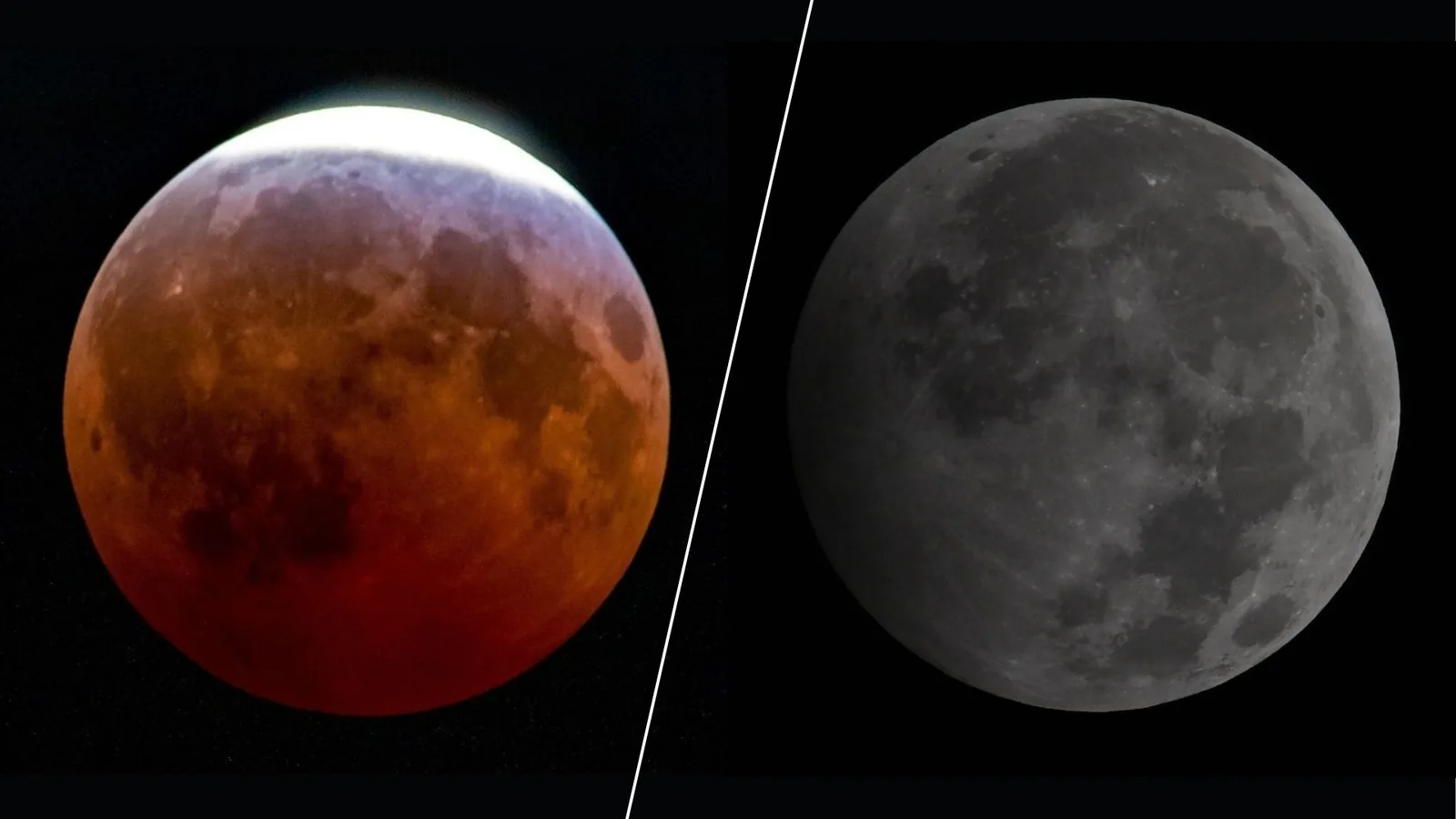
Stargazers will have to wait until February 20, 2027, for the next celestial display as Earth will once again cast its shadow upon the moon. This upcoming event will be a penumbral lunar eclipse, meaning the moon will pass through the Earth's faint outer shadow, known as the penumbra. This offers a much more subtle darkening compared to a partial or total lunar eclipse, where the moon enters Earth's denser inner shadow, the umbra.
The penumbral eclipse on February 20, 2027, will feature the full Snow Moon, a name given to the full moon in February due to the typically cold weather of the month. The subtle dimming will be most noticeable around 6:12 p.m. EST (2312 GMT) as the moon moves closest to Earth's umbra. While the deepest shadow will affect the moon's north polar region, the effect will be very understated, offering a unique challenge for astrophotographers seeking to capture the nuanced changes.
A rarer, more dramatic spectacle awaits
For those seeking a more dramatic lunar event, the next total lunar eclipse, often referred to as a 'Blood Moon' due to its reddish hue, is not expected until New Year's Eve, December 31, 2028. This spectacular eclipse will be visible primarily over Asia, Australia, and the Pacific region. A total lunar eclipse occurs when the Earth's umbra completely obscures the moon, allowing sunlight to filter through Earth's atmosphere and cast a red glow onto the lunar surface.
The previous August partial lunar eclipse, sometimes called an "almost Blood Moon," provided a captivating glimpse of Earth's umbra for many observers. However, the upcoming 2027 event will be a delicate demonstration of orbital mechanics. The difference between a penumbral, partial, and total lunar eclipse lies in which part of Earth's shadow the moon traverses. A penumbral eclipse is the least dramatic, a partial eclipse shows a bite taken out of the moon, and a total eclipse paints the moon in shades of red and orange.
Understanding these phenomena helps appreciate the vastness of our solar system and our planet's place within it. The regularity of these events, though varying in intensity, offers consistent opportunities for both casual observers and dedicated astronomers to connect with the cosmos. The next few years promise a mix of subtle and spectacular lunar shows for skywatchers around the globe.