
NASA Tests Lithium Thruster for Faster Mars Travel
NASA has successfully tested a new electric propulsion system using lithium vapor that achieved a U.S. power record of 120 kilowatts. This technology promises more efficient and faster journeys for future human missions to Mars.

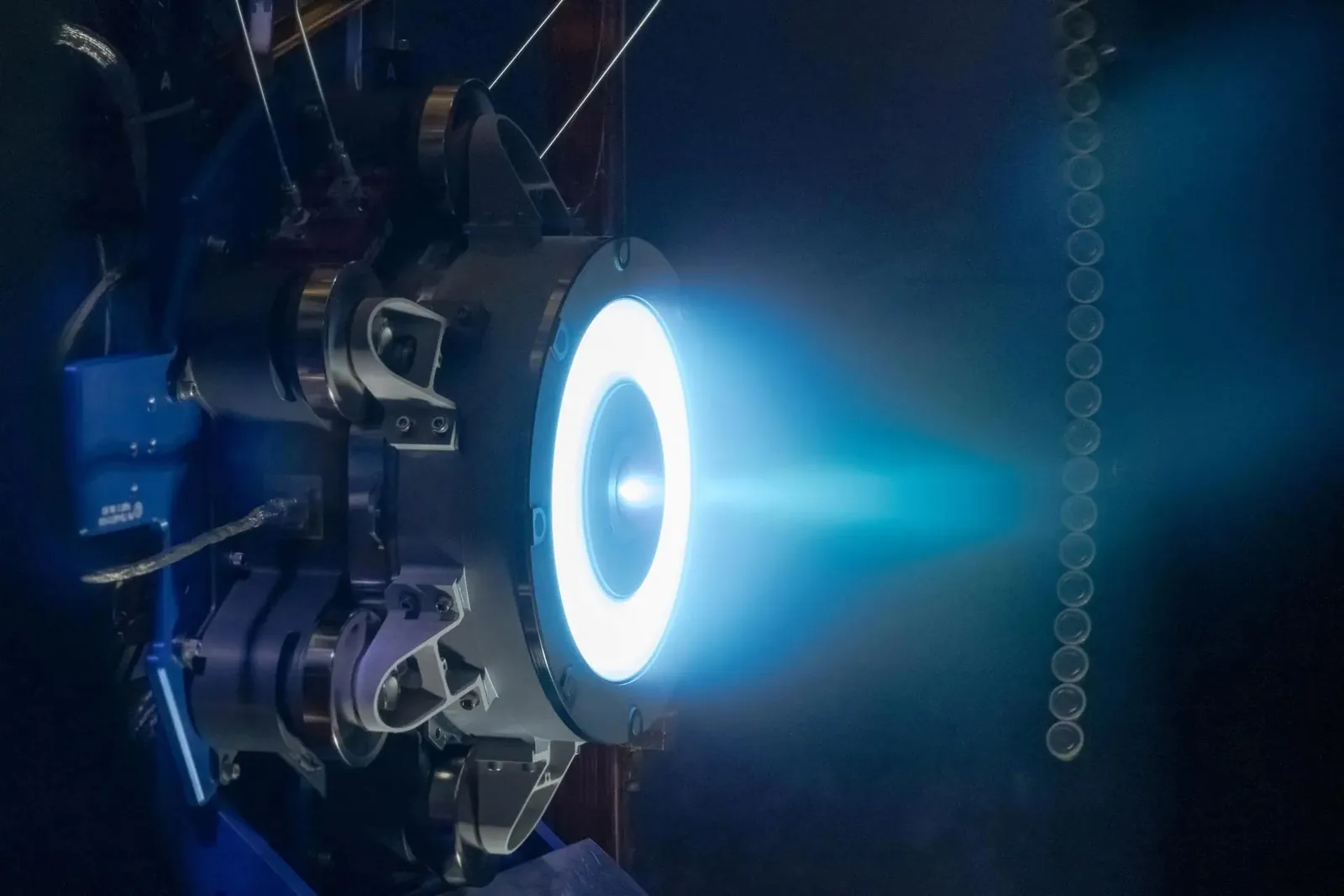
NASA engineers have achieved a significant milestone in space propulsion, successfully testing a novel electric thruster that could dramatically accelerate future human missions to Mars. The experimental system, which utilizes lithium metal vapor as fuel instead of traditional gases, set a new U.S. power record of 120 kilowatts during recent trials. This breakthrough is a crucial step toward enabling faster, more fuel-efficient travel across the vast distances of the solar system.
The new thruster technology represents a substantial leap beyond current electric propulsion systems. While existing ion engines often use gases like xenon, the lithium-based design offers potentially higher efficiency and greater thrust. This enhanced performance is vital for reducing transit times for long-duration voyages, such as the months-long trips to Mars. NASA estimates that the new system is approximately 25 times more powerful than the electric thrusters used on the Psyche spacecraft, which is currently en route to a distant asteroid.
Advancing Deep Space Exploration
The implications of this advanced propulsion are profound for both human and robotic exploration. For crewed missions to Mars, which require massive spacecraft to sustain astronauts for extended periods, reducing travel time and fuel load is paramount. Conventional chemical rockets are fuel-intensive, but electric propulsion systems like the one tested can achieve comparable speeds with up to 90 percent less fuel. This efficiency could fundamentally alter mission architecture, making longer stays on celestial bodies and faster round trips more feasible. James Polk, a senior research scientist at NASA Jet Propulsion Laboratory, expressed excitement about the test results: "It’s a huge moment for us because we not only showed the thruster works, but we also hit the power levels we were targeting. And we know we have a good testbed to begin addressing the challenges to scaling up."
While the 120-kilowatt record is a significant achievement, scaling up for human missions to Mars presents considerable engineering challenges. NASA estimates that a Mars mission would require several such thrusters to generate between 2 to 4 megawatts of power, operating continuously for over 23,000 hours. These systems must also withstand extreme temperatures exceeding 2,800 degrees Celsius (5,000 degrees Fahrenheit), a condition the experimental thruster met during its testing phase. The lengthy duration of a Mars mission, approximately 2.6 years including transit and surface stay, is largely dictated by orbital mechanics and the infrequent launch windows that occur every two years. However, the promise of significantly reduced travel times offered by advanced electric propulsion could potentially shorten this overall mission duration.
The development of powerful and efficient electric propulsion systems is a cornerstone of NASA's strategy for enabling ambitious deep space exploration in the coming decades. This technology not only paves the way for reaching Mars but also opens up possibilities for robotic probes to venture further into the solar system than ever before, unlocking new scientific discoveries. The successful testing of the lithium-fueled thruster marks a critical step in realizing that vision, moving the dream of human exploration of the Red Planet closer to reality.