
NASA to Compete Jet Propulsion Laboratory Management Contract
NASA is opening its management contract for the Jet Propulsion Laboratory to competitive bidding, ending a long-standing sole-source arrangement with Caltech to ensure taxpayer value and enhance efficiency.

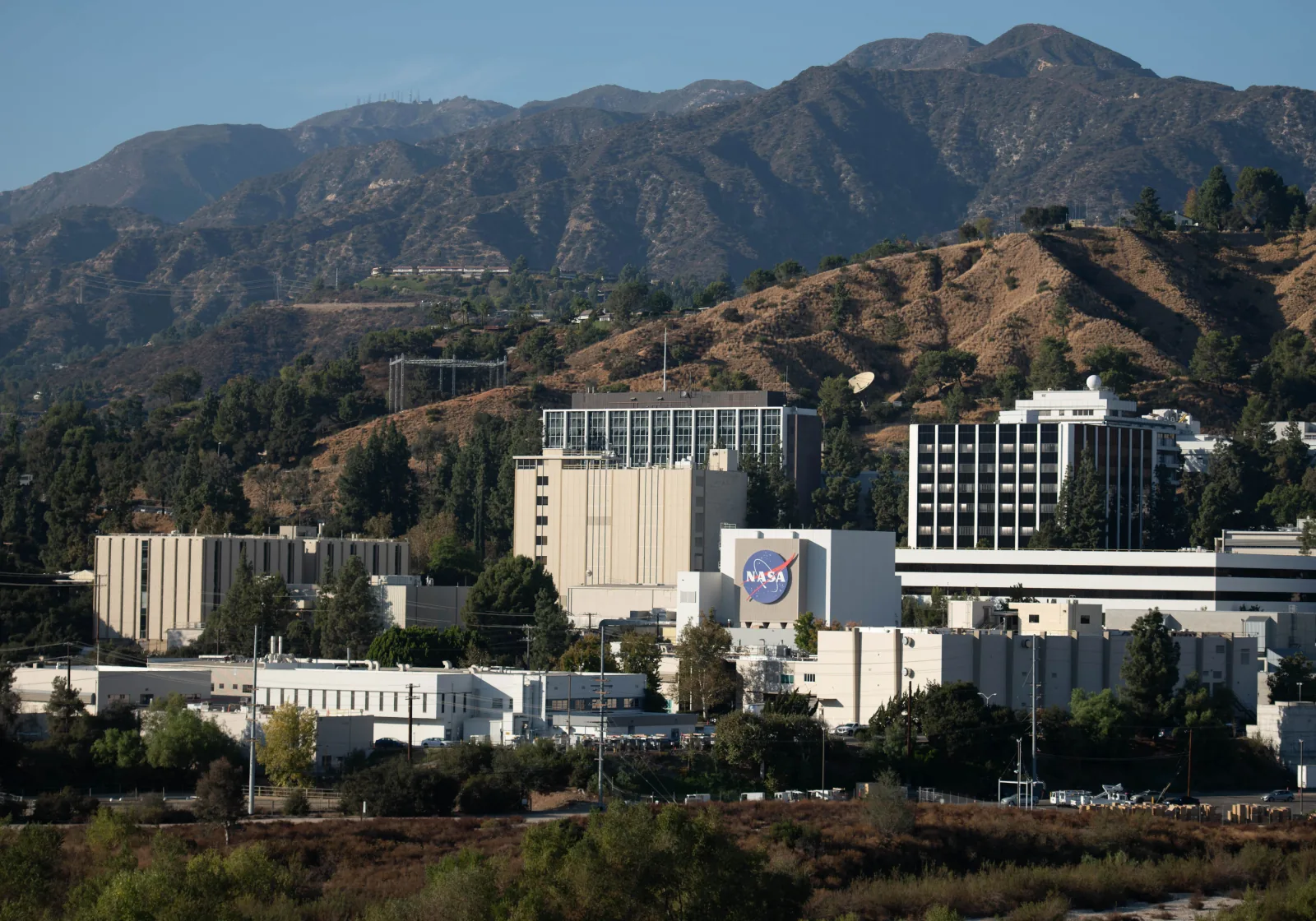
NASA announced on Friday, May 23, 2026, that it will seek competitive bids for the management and operation of the Jet Propulsion Laboratory (JPL), a key federally funded research and development center located in Southern California. This move signals a departure from a long-standing sole-source contract with the California Institute of Technology (Caltech), which has overseen the laboratory since its establishment in the 1930s and managed it for NASA since 1958. The decision aims to ensure continued accountability and maximize value for U.S. taxpayers.
The burgeoning U.S. space economy has created conditions where a competitive market for JPL's programmatic and institutional operations may now exist. NASA intends to use this competition to explore alternative management approaches that could potentially enhance mission performance, foster innovation, and improve overall cost and operational efficiency. This initiative aligns with broader government and agency-wide efforts to identify efficiencies, bolster performance, and accelerate mission outcomes more affordably.
“The Jet Propulsion Laboratory has delivered some of the most extraordinary scientific and engineering achievements in NASA’s history,” stated NASA Administrator Jared Isaacman. “As America’s space economy evolves, we have a responsibility to the American people and the scientific community to evaluate how we can execute faster, operate more efficiently, and continue to deliver world-class science and engineering at the highest level. The decision to compete this contract reflects NASA’s commitment to strong stewardship of taxpayer resources and positions Jet Propulsion Laboratory to continue driving world-changing scientific discovery and technological innovation for decades to come.”
Evaluating Management Approaches
Historically, NASA has awarded management contracts for JPL to Caltech without competition since the facility transitioned from the U.S. Army. This practice, while effective for decades, is being re-evaluated in light of evolving market dynamics and the agency's mandate for fiscal responsibility. The current contract with Caltech, which commenced on October 1, 2018, is set to conclude on September 30, 2028. It holds a maximum potential value of $30 billion, contingent upon the exercise of all available options.
NASA is initiating the procurement process immediately to allow ample time for a thorough competition and award cycle. This proactive approach ensures continuity for the laboratory's extensive ongoing missions and daily operations. The agency has also affirmed its commitment to maintaining JPL's physical location in Southern California. This competitive procurement strategy mirrors practices seen in other federal agencies, such as the Department of Energy, which has conducted full and open competitions for five of its 16 FFRDC management and operations contracts within the last ten years.
The work undertaken by JPL is vital to NASA's scientific and exploratory objectives. The laboratory is renowned for its deep-space missions, planetary science investigations, and Earth observation programs. This upcoming contract competition is expected to attract interest from various organizations capable of managing such complex operations, potentially bringing new perspectives and technological advancements to the forefront. The evaluation process will likely consider not only operational efficiency and cost-effectiveness but also the ability to drive cutting-edge research and development in fields critical to future space exploration and scientific understanding. The agency emphasized that continuity for active and future missions remains a top priority throughout this transition, ensuring that groundbreaking scientific endeavors are not disrupted. This strategic shift underscores NASA's dedication to innovation and responsible resource management in an increasingly competitive global landscape for space exploration and technology.