
NASA Careers: Your Guide to Space Exploration Jobs
NASA is actively hiring for hundreds of positions across engineering, science, and mission support roles. Learn how to launch your career in space exploration.

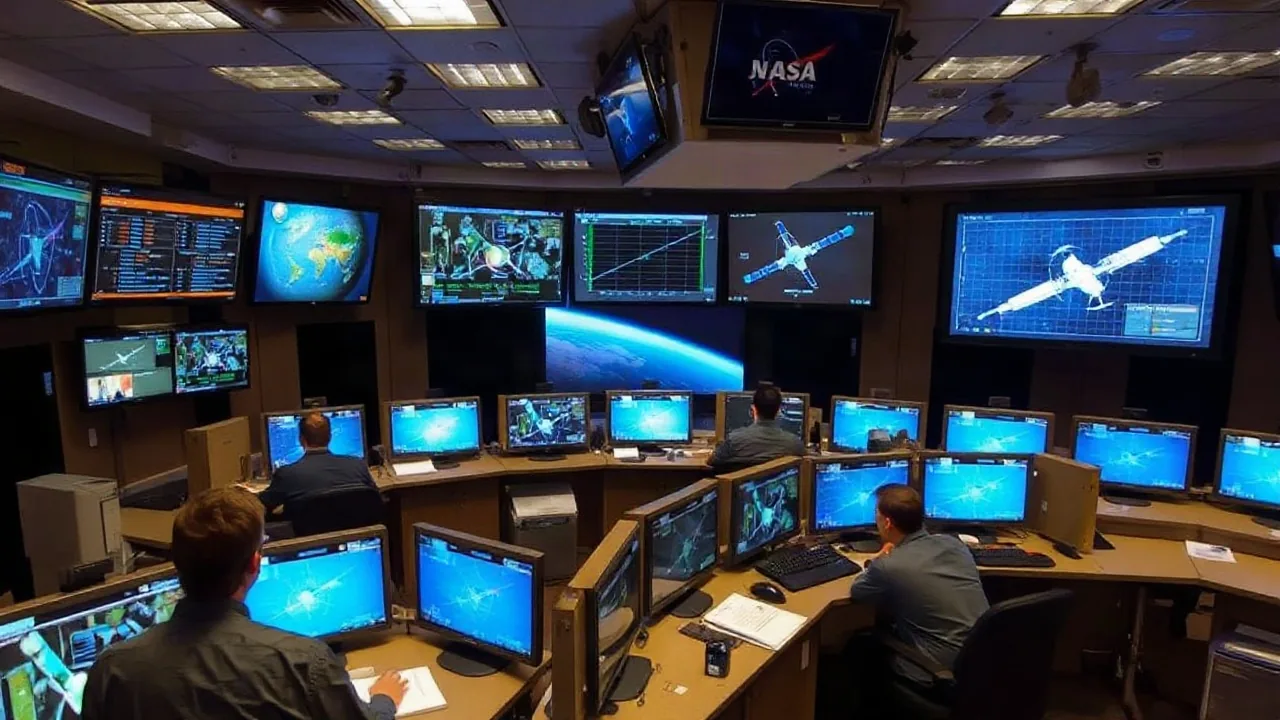
The National Aeronautics and Space Administration is recruiting talent across all 10 field centers in November 2026, with over 400 open positions ranging from entry-level to senior roles. From Houston's Mission Control to Kennedy Space Center's launch facilities, NASA is building teams to support Artemis lunar missions, Mars exploration programs, and Earth science initiatives.
"We're at an inflection point in human spaceflight," said Dr. Kathryn Lueders, Associate Administrator for NASA's Space Operations Mission Directorate, in a statement released this week. "The talent pipeline we build today directly determines whether we reach the Moon by 2026 and sustain operations beyond. Every hiring cycle matters."
Job openings span multiple disciplines. Technical roles include aerospace engineering, software development, systems integration, and mechanical design. Non-technical positions support operations, project management, communications, policy analysis, and human resources. Entry-level positions start at GS-3 and GS-4 pay grades, roughly $27,000 to $31,000 annually, while senior engineers and scientists can earn GS-13 and above, exceeding $110,000 per year with benefits.
NASA uses the federal hiring process, which requires applicants to complete a formal application through USAjobs.gov, the official government employment portal. Applicants must be U.S. citizens and undergo background security clearance procedures that typically take 60 to 90 days.
How to Apply and What to Expect
The application window for current vacancies remains open through mid-November 2026. Candidates should prepare a federal resume that highlights relevant experience, educational credentials, and technical skills. Unlike private-sector resumes, federal applications prioritize breadth of experience and explicit matching to the job description.
The hiring process follows these stages:
- Online application submission and qualification screening
- Panel interview with subject-matter experts from the relevant center
- Reference checks and security clearance investigation
- Conditional job offer and medical clearance (for certain positions)
- Onboarding and training at assigned NASA center
Interviews are conducted either in-person at the hiring center or virtually via video conference. Candidates should prepare to discuss specific projects, problem-solving approaches, and alignment with NASA's mission.
NASA opportunities for early-career professionals include internship programs that run year-round. The NASA Pathways Internship Program serves current students and recent graduates, offering paid internships at multiple centers with potential conversion to permanent positions. Interns earn between $18 and $28 per hour depending on education level and experience.
Specialized Career Tracks: From Mission Control to Astronaut Selection
Career paths at NASA vary significantly by center and discipline. Johnson Space Center in Houston houses Mission Control, where flight controllers monitor spacecraft in real time. These roles require background in mission control operations, rendezvous procedures, and systems monitoring. Candidates typically need a bachelor's degree in engineering or physical science plus two years of relevant work experience.
Kennedy Space Center in Florida specializes in launch operations and vehicle integration. Positions there involve ground support equipment, launch pad systems, and vehicle processing. Stennis Space Center in Mississippi focuses on propulsion testing and engine development, critical for future deep-space missions.
For those interested in direct human spaceflight participation, astronaut training remains among the most competitive career paths. NASA's Astronaut Selection program, held approximately every four years, next opens its application window in 2027. Selected astronauts complete roughly two years of intensive training at Johnson Space Center before assignment to a crew. Current astronaut candidates train in spacecraft systems, robotics, spacewalking, geological field science, and survival procedures.
Scientific positions are equally critical. NASA's space exploration jobs include planetary scientists, astrophysicists, climate researchers, and data analysts. These specialists design instruments, analyze mission data, and contribute to peer-reviewed publications that advance human understanding of the cosmos and Earth systems.
Software engineers and computer scientists are in acute demand across all centers. NASA's software requirements have grown exponentially with autonomous systems for rovers, real-time data processing from satellites, and ground-based mission support systems. Cybersecurity specialists are also increasingly sought as NASA strengthens protections against emerging threats.
Benefits, Advancement, and Long-Term Opportunity
Federal employment at NASA offers comprehensive benefits packages. Full-time permanent positions include health insurance (multiple plan options), dental and vision coverage, a 401(k)-equivalent Federal Thrift Savings Plan with agency match, paid leave (annual and sick), and defined-benefit pension eligibility after 20 years of service. Retention bonuses are sometimes available for hard-to-fill technical roles.
Career advancement at NASA follows the General Schedule (GS) hierarchy. An engineer hired at GS-9 ($45,000-$58,000) can progress to GS-13 or higher through promotions tied to demonstrated performance, additional education, and supervisory responsibilities. Average advancement timelines are 3 to 5 years per grade level for strong performers.
Tuition assistance programs enable employees to pursue graduate degrees while working, with NASA covering up to $10,000 annually for approved programs. Many NASA employees earn master's degrees in aerospace engineering, systems engineering, project management, or related fields during their tenure.
The space agency's current strategic priorities focus on Artemis lunar operations, Mars sample-return missions, and sustained low-Earth-orbit science. These initiatives will require sustained hiring through 2030 and beyond, creating long-term job security for qualified candidates.
Interest in NASA careers remains high. In 2026, the agency received approximately 8,000 qualified applications across all open announcements, with typical selection rates of 5 to 15 percent depending on specialty. STEM backgrounds and prior government or aerospace contractor experience strengthen candidacy significantly.