
NASA Scraps Swift Observatory Rescue Mission Amid Spacecraft Issues
NASA has called off a mission to save the Swift observatory from burning up in Earth's atmosphere. The rescue spacecraft, LINK, encountered persistent attitude control problems, preventing it from boosting Swift to a higher orbit.

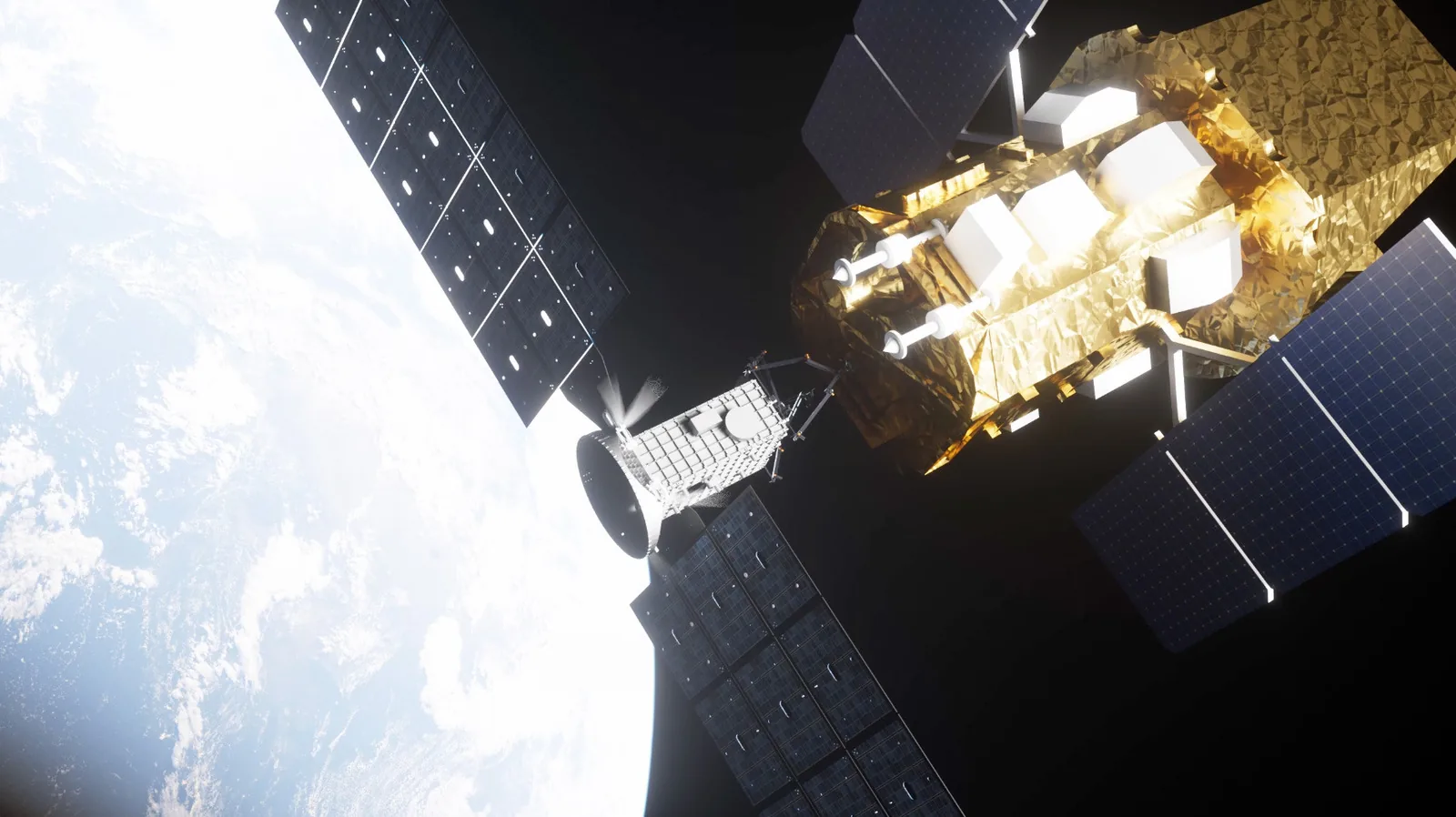
NASA has officially canceled a mission intended to rescue the Neil Gehrels Swift Observatory, which is on an uncontrolled descent toward Earth's atmosphere later this year. The space agency announced Wednesday that the Katalyst Space-operated LINK spacecraft would no longer dock with Swift to push it into a higher, safer orbit. The decision was attributed to ongoing attitude control issues that have plagued the LINK spacecraft since late July, rendering it unable to perform the complex maneuvers required for the rescue.
These attitude control problems, which began in late July, caused LINK to spin uncontrollably and led to sporadic communication disruptions. Further complications arose with a loss of functionality in LINK's thruster system. Despite initial optimism from both NASA and Katalyst Space last month, the persistent technical challenges ultimately made the rescue mission unfeasible. Katalyst Space had a compressed timeline, less than a year, to design and prepare the LINK spacecraft for the Swift Boost mission, which launched in early July.
Mission's high-risk, high-reward nature
Shawn Domagal-Goldman, director of NASA's Astrophysics Division at NASA Headquarters in Washington, acknowledged the mission's inherent risks from its inception. "It was a high-risk, high-reward mission" from the start, he stated. This endeavor represented a pioneering effort to service an aging satellite, and the team faced immense pressure due to the tight schedule. The Swift observatory's orbit has been rapidly decaying, exacerbated by increased solar activity in recent years, making its eventual atmospheric re-entry inevitable without intervention.
Launched in 2004, the NASA's SWIFT observatory has been a crucial instrument for studying gamma-ray bursts. However, its utility has expanded over the years, and astronomers now rely on it for rapid data acquisition during sudden cosmic events. The planned rescue mission aimed to extend Swift's operational life by an additional decade or more. While the primary rescue objective is now abandoned, NASA indicated that the LINK spacecraft will still attempt a rendezvous with Swift. The goal of this rendezvous will be to collect valuable data and insights that can inform future satellite servicing missions, advancing America's capabilities in orbital maintenance.
NASA Administrator Jared Isaacman expressed his perspective on the outcome, stating, "This is not the outcome we were working toward, but it does not change why this mission was worth attempting." He further elaborated on the team's dedication and the broader implications of the mission: "The team moved with extraordinary speed to give Swift a chance to carry out more science while advancing capabilities America will need for satellite servicing in the future. We are going to learn everything we can from LINK's rendezvous attempt and put those lessons to work on the missions that follow." In the interim, NASA plans to leverage its existing fleet of observatories to cover the scientific gap left by Swift's impending demise and will focus on developing new strategies for rapid response to cosmic phenomena.