
Windows 11 RAM Optimization for 8GB PCs and New Features This Year
Microsoft plans to enhance Windows 11 performance on PCs with 8GB of RAM. Updates will also focus on improved onboarding, family safety, and natural voice interaction.

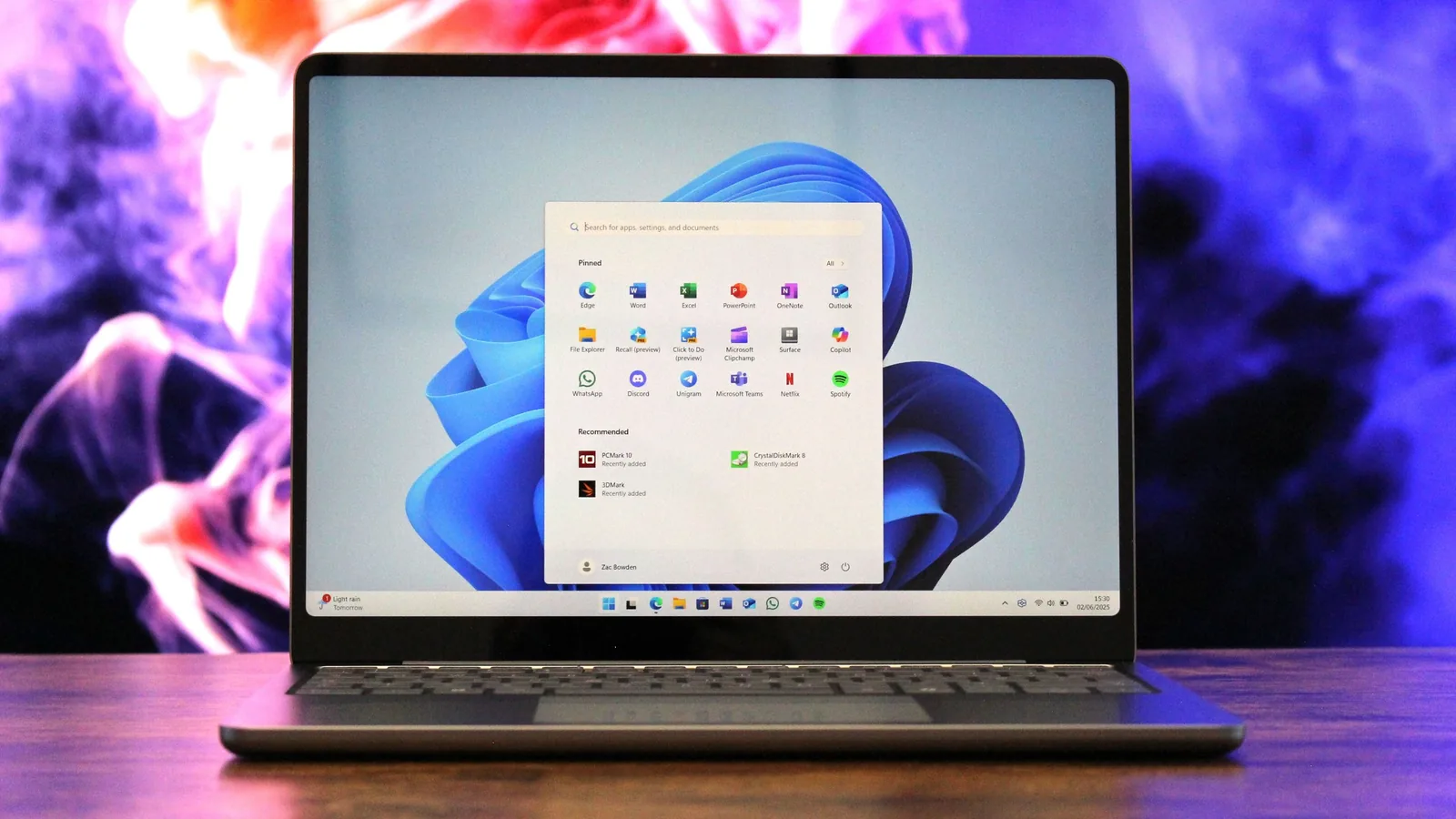
Microsoft has announced significant plans to improve the performance and user experience of Windows 11 throughout 2026. Pavan Davuluri, head of Windows, detailed the company's ongoing commitment to addressing user feedback and fixing key issues. The latest roadmap includes a critical focus on optimizing the operating system to run more efficiently on devices with as little as 8GB of RAM, a move seen as a response to the increasing demand for accessible computing power.
The software giant has been diligently working on Windows 11 since March, rolling out numerous features and changes aimed at enhancing its reputation and user satisfaction. Davuluri outlined four primary areas of development for the remainder of the year: refining the onboarding and setup process for a faster out-of-box experience, optimizing memory usage for PCs with 8GB of RAM and above, enhancing family-related features and parental controls, and making voice interactions more natural and fluid across applications.
The initiative to improve performance on 8GB RAM systems is particularly noteworthy. With the rise of more budget-friendly hardware options and the continued use of systems with limited memory, Microsoft aims to ensure Windows 11 remains fast and responsive. While specific technical details are still emerging, it's anticipated that the company will leverage advancements like transitioning more of the Windows UI to the lighter WinUI framework, potentially reducing the reliance on heavier WebView components.
Enhancing User Experience and Accessibility
Microsoft's commitment extends beyond just hardware performance. The company is also focused on streamlining the initial setup of new PCs. This includes developing a faster and more efficient out-of-box experience that will make booting up a new device for the first time a seamless and straightforward process for users. This effort is part of a broader push to make Windows more accessible and user-friendly from the moment it's activated.
Family features are also set for an upgrade, with plans to introduce new Family Safety tools integrated across the operating system. This will involve simplifying the setup of enhanced parental controls, providing parents with more robust tools to manage their children's digital environment safely. The goal is to create a more secure and manageable experience for families using Windows devices.
Furthermore, Microsoft is investing in the future of multi-modal computing by improving voice interaction. Recognizing voice as a primary input method alongside traditional keyboard and mouse, the company intends to make voice commands more natural and fluid. This advancement aims to integrate voice seamlessly into everyday app usage, making interaction with the OS more intuitive and less cumbersome.
Davuluri expressed confidence in the direction of Windows 11, stating, "We're going to take everything we've learned since March and keep listening and closing the loop on your feedback. The signal from you is clear: keep going. We intend to." This sentiment highlights a proactive approach to development, driven by user input and a desire to continuously improve the Windows ecosystem. The work undertaken in 2026 signifies a pivotal period for Windows 11, aiming to solidify its position as a versatile and performant operating system across a wide spectrum of hardware.