
Game Companies Fight Tariff Refund Payouts to Customers
Major video game companies like Sony, Microsoft, and Nintendo are fighting lawsuits arguing they don't owe customers refunds for tariffs that were later deemed illegal. The companies claim consumers paid advertised prices and received what they paid for.

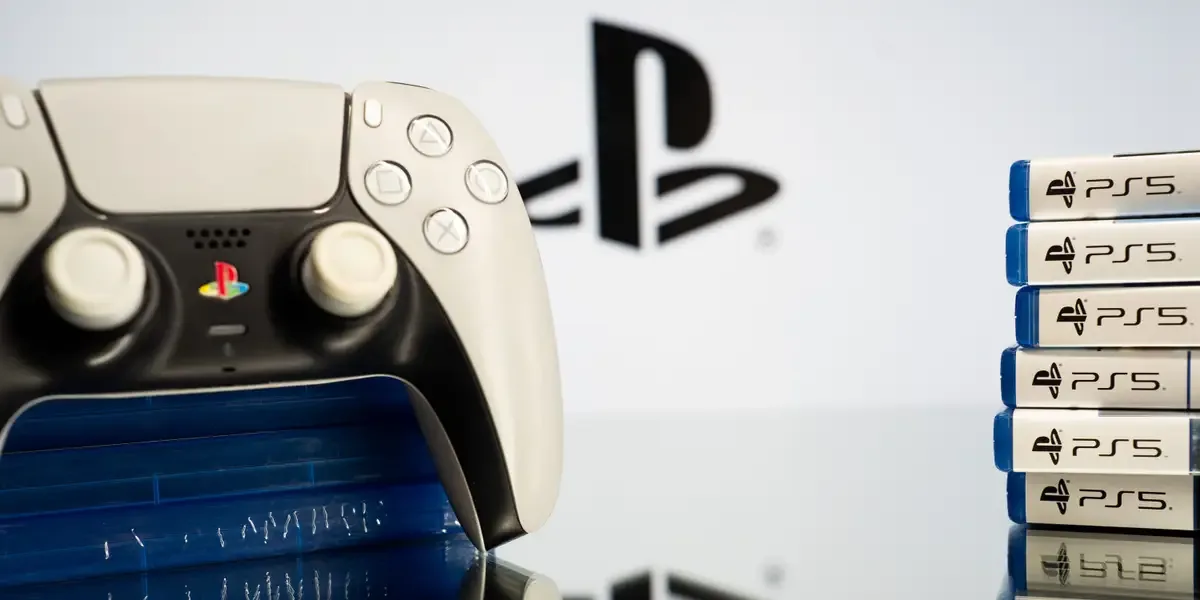
Major video game manufacturers are pushing back against demands to return money to customers who bore the brunt of tariffs imposed by the former Trump administration. Sony, Microsoft, and Nintendo, which all increased prices for their consoles and products after tariffs were enacted last year, are now arguing in court that they are not obligated to pass tariff refunds onto consumers. This stance contrasts with some large retailers, such as Walmart and Costco, which have indicated plans to reduce prices for consumers impacted by tariff-related cost increases.
Attorneys for Sony Interactive Entertainment filed a motion to dismiss a class-action lawsuit initiated in May. The plaintiffs in this suit allege that Sony inflated prices for its PlayStation consoles in response to tariffs and subsequently sought reimbursements from the U.S. government. In their defense, Sony's legal team argued that consumers suffered no discernible harm, as they voluntarily paid the advertised prices for working consoles. "They received exactly what they paid for—working consoles," the attorneys stated, adding that the pricing decisions for consoles are influenced by numerous factors, including inflation, supply chain expenses, currency shifts, and demand. Sony anticipates receiving approximately 80 billion yen, equivalent to $510 million, in tariff refunds across the entire Sony Group during its quarterly meeting this July.
Legal Battles Over Pricing and Refunds
Microsoft, the owner of the Xbox brand, is also facing similar legal challenges. Consumers filed suit in late August, asserting that Microsoft raised prices for Xbox consoles and other goods due to tariffs, only to later seek refunds. Microsoft's legal representatives countered that the plaintiffs received the full benefit of their bargain. "He paid for it, he received it, and he continues to use it. Plaintiff received the benefit of his bargain. But now he wants to go back and renegotiate the price he paid," the attorneys argued in their dismissal request. They emphasized that the plaintiff did not allege any functional defects with the Xbox or any misrepresentations by the company. Microsoft maintains that pricing strategies are multifaceted, encompassing component costs, overhead, competition, and taxes, all of which are subject to change. "Companies have no obligation to adjust those prices up or down day by day based on forecasts that do or do not materialize," the company's filing stated. Microsoft has not publicly disclosed the estimated amount of tariff refunds it expects to receive.
Nintendo was among the first to seek dismissal of a lawsuit concerning consumer tariff refunds, with its motion filed in July. Earlier this year, plaintiffs claimed that Nintendo of America increased prices to offset tariffs, then pursued government refunds without legally committing to repaying consumers. Nintendo's defense contended that consumers were aware of the market conditions influencing pricing. "Plaintiffs now claim that they are entitled to recover some or all of those refunds. Plaintiffs do not dispute that Nintendo's pricing adjustments were lawful," the filing read. "Nor do Plaintiffs allege that Nintendo breached any term of sale or misled consumers. To the contrary, Plaintiffs admit that Nintendo provided advance notice to the public that tariffs were among the market conditions that informed its pricing." Nintendo reported recording a $300 million tariff refund. In its legal submissions, the company cited labor, shipping, and memory costs, in addition to tariffs, as reasons for its price adjustments.
The legal disputes highlight a broader tension between corporate pricing strategies and consumer expectations, particularly when government policies like tariffs create unpredictable economic conditions. The U.S. Supreme Court's ruling that the Trump administration's tariffs were unlawful necessitated refunds to companies, prompting questions about whether those savings should be passed on to consumers who initially paid higher prices. While some businesses have opted to honor these consumer claims, the major console makers are employing legal arguments to retain the refunded amounts, asserting that their pricing was dynamic and based on multiple commercial factors beyond just the tariffs themselves.