
PS5 Games Hit by Leaked DLSS 5 AI Filter, Fans React Negatively
A leaked version of Nvidia's controversial DLSS 5 AI filter has been applied to major PlayStation 5 titles, altering character appearances and drawing strong criticism from gamers.

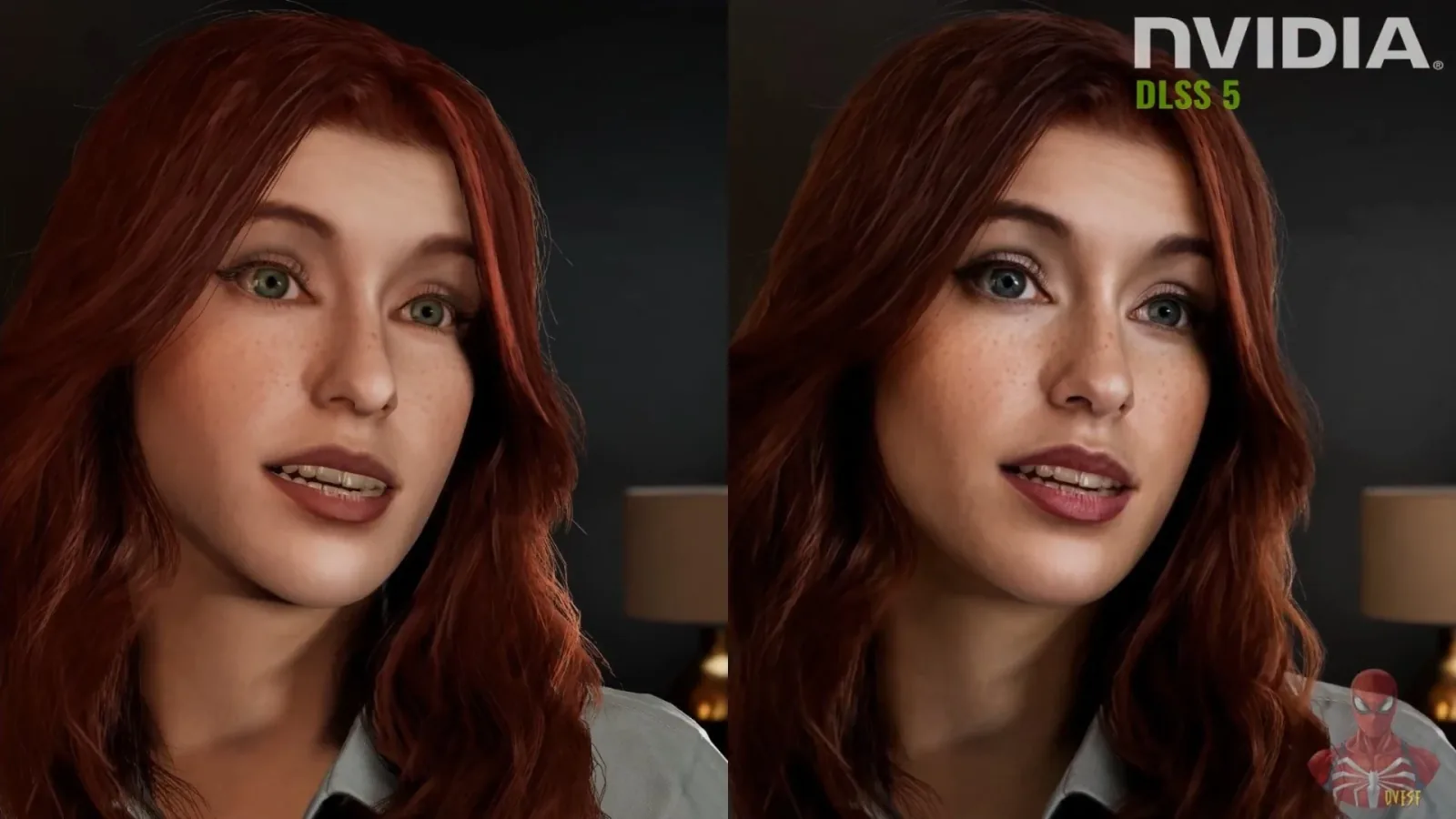
A leaked iteration of Nvidia's DLSS 5 technology, initially met with controversy earlier this year, has surfaced online and been quickly integrated into numerous prominent PS5 games. While earlier versions of Nvidia's upscaling technology were generally well-received for their ability to reduce computational demands without compromising visual quality, this latest version appears to employ generative AI in a way that critics argue alters artistic intent.
One widely cited example from earlier in the year involved the character Grace Ashcroft in Resident Evil Requiem, where fans expressed dissatisfaction with the character's altered appearance, with some describing it as being "yassified." Now, files for this technology have reportedly been extracted from the PC version of NBA 2K27. This has led to players injecting the filter into a variety of titles, including several major PlayStation franchises available via their PC Steam ports.
For instance, the character MJ in Marvel's Spider-Man 2 exhibits noticeable changes, including brighter red lips and darker eye coloration. While the character remains recognizable, this modification is seen by many as undermining the original artistic vision, irrespective of individual preferences for Insomniac's character design. Another example shows Ellie from The Last of Us Part II appearing significantly older than her intended age, with inconsistencies in scene lighting further detracting from the visual fidelity.
Fan Backlash and Artistic Concerns
The alterations extend to other beloved characters as well. A particularly striking, and for some, almost parodic, example involves Cloud Strife from Final Fantasy 7 Rebirth. The visual modifications to these iconic figures have sparked considerable debate within gaming communities regarding the use of AI in altering established character designs.
This situation raises significant questions about the role of generative AI in video game development and modification. While Nvidia champions its neural rendering technology, claiming it preserves artistic control and is distinct from content-generating AI, the rapid adoption and negative reception of the leaked DLSS 5 filter in existing games suggest a disconnect between the company's vision and player perception. Nvidia CEO Jensen Huang has defended the technology, stating it "doesn't change the artistic control" and is a form of "content-control generative AI," which the company terms "neural rendering."
The core of the controversy lies in whether AI tools should be used to fundamentally alter character aesthetics, potentially overriding the choices made by game developers and artists. Players have voiced concerns that these AI-driven changes can strip away the nuanced details and specific artistic choices that define beloved characters, impacting their emotional connection to the game world. The unauthorized implementation of this technology into PS5 games, often through unofficial patches, highlights the challenges in controlling the spread of AI tools and their potential misuse.
This incident underscores a growing tension in the gaming industry between technological advancement and artistic integrity. As AI tools become more sophisticated and accessible, debates surrounding their ethical application and impact on creative expression are likely to intensify. The reaction to the leaked DLSS 5 filter serves as a clear indicator that players value the original artistic intent of their favorite games and are wary of unauthorized AI interventions that alter these carefully crafted experiences.
The swift integration of the AI filter into a wide array of games, including titles like Marvel's Spider-Man 2 and Final Fantasy 7 Rebirth, demonstrates the technical capabilities of the leaked technology. However, the overwhelmingly negative player feedback, with one user reportedly describing the result as looking like "dogsh*t," points to a significant misalignment with community expectations. This event prompts a broader discussion about how such powerful AI technologies should be regulated and implemented in the future to respect both innovation and artistic legacy.