
OnePlus OxygenOS, Realme UI Reportedly Ending This Year
A new report indicates that OnePlus's OxygenOS and Realme's UI are slated for discontinuation in the coming months. Both operating systems are expected to be fully replaced by Oppo's ColorOS as part of a brand integration.

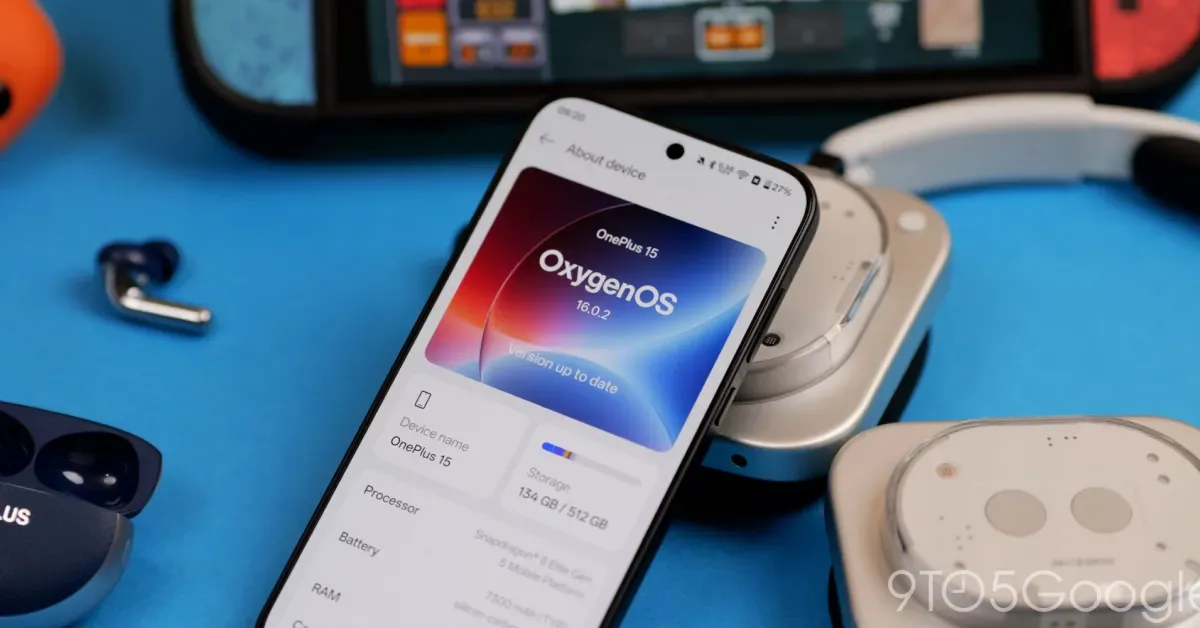
OnePlus's proprietary operating system, OxygenOS, and its sister OS for Realme devices, Realme UI, are reportedly facing discontinuation. According to a report citing an industry source, both software platforms are expected to be phased out in the coming months as part of an "aggressive restructuring" that will see OnePlus and Realme fully integrated under the Oppo brand. This move would mean a universal shift to Oppo's ColorOS across all existing smartphones from both manufacturers.
The development, detailed by Indian outlet Smartprix, suggests a complete migration to ColorOS, a system that has already become the foundation for OxygenOS in recent years. Since the launch of the OnePlus Nord 2, OxygenOS has operated as a fork of ColorOS, leading to a significant departure from the clean, minimalist aesthetic that defined early OnePlus devices. While the unified platform aims to pool resources and streamline development, it has been a gradual shift that has disappointed some long-time fans.
Brand Integration and Future Strategy
This potential discontinuation follows a period of significant changes for OnePlus. In recent months, the company has seen the closure of several global offices and has begun prominently featuring Oppo products on its official online storefronts. The integration of Realme with OnePlus, which occurred in April of this year, further signaled a consolidation of brands under the Oppo umbrella. Indeed, many OnePlus products are currently listed as "Out of stock" on the official UK storefront, raising speculation about the brand's future.
The source claims that this strategic shift is intended to bolster the Oppo brand by absorbing the user bases and development efforts of OnePlus and Realme. For users of OxygenOS and Realme UI, the implications are substantial. It remains unclear how the migration to ColorOS will be managed, including how existing users will be informed and supported through the transition. The move signifies a major strategic pivot for the BBK Electronics-owned smartphone manufacturers, aiming to simplify their software offerings and present a more unified front in the competitive mobile market.
The close relationship between OxygenOS and ColorOS has made this reported change less surprising. The underlying codebases have been largely shared for some time, meaning the user experience on current OxygenOS devices is already quite similar to ColorOS. However, for users who cherished the distinct identity and features of OxygenOS or Realme UI, this represents the end of an era. The future strategy appears to prioritize brand synergy and resource optimization over maintaining separate software identities.
The original vision of OnePlus as the "Flagship Killer" brand, characterized by affordable yet powerful devices and a distinct software experience, has been steadily eroded by these integration efforts. This latest report suggests that the final chapter in the separate existence of OxygenOS and Realme UI may be fast approaching, as the companies look to consolidate their market presence under the dominant Oppo brand.