
Microsoft Drops Copilot+ PC Branding for New Surface Devices
Microsoft appears to be phasing out the "Copilot+ PC" branding for its latest Surface devices, a move that follows similar decisions by other hardware manufacturers. The "Copilot+ PC" designation was introduced to highlight AI-powered features.

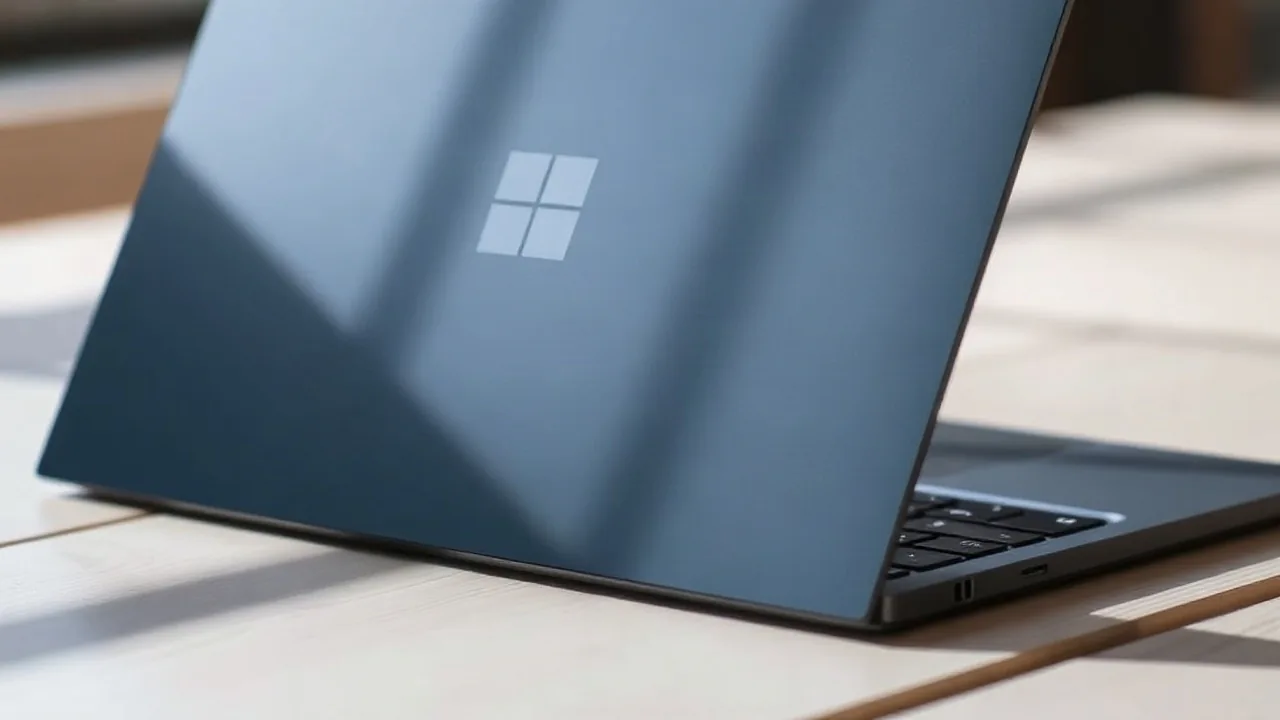
Microsoft has reportedly begun removing "Copilot+ PC" branding from its newest Surface laptop models, signaling a potential shift away from the marketing term introduced earlier this year. This change comes as several other original equipment manufacturers (OEMs) have also reportedly stopped using the label on their AI-focused devices. The "Copilot+ PC" initiative, launched in April 2024, was intended to signify Windows PCs equipped with advanced AI capabilities, powered by ARM-based processors, and featuring dedicated neural processing units (NPUs).
The initial rollout of "Copilot+ PCs" saw major manufacturers like Acer, ASUS, Dell, HP, Lenovo, and Samsung announcing new models under this umbrella term. The branding was meant to be a clear indicator for consumers seeking the latest AI-accelerated computing experiences. However, multiple industry reports from outlets including The Verge, PCMag, and Windows Central indicate a quiet but decisive retreat from the term by both Microsoft and its hardware partners.
Shifting Marketing Strategies
The abrupt disappearance of the "Copilot+ PC" moniker raises questions about Microsoft's long-term strategy for promoting its AI-integrated hardware. When introduced, the branding was heavily promoted, with Microsoft executives emphasizing its importance in ushering in a new era of personal computing. Devices marketed as "Copilot+ PCs" were promised to offer enhanced performance for AI tasks, longer battery life, and features like Recall, which allows users to search through past activity on their PC.
Sources suggest that the decision to move away from the "Copilot+ PC" brand was not a sudden one but a gradual realization that the term might not be resonating with consumers as expected, or perhaps that the AI hardware capabilities are becoming more standard. Instead of a distinct "Copilot+ PC" category, Microsoft may be looking to integrate AI features more seamlessly into the broader Windows ecosystem and individual product lines. This approach mirrors strategies seen in other technology shifts, where distinct branding eventually becomes obsolete as the underlying technology matures and becomes ubiquitous.
Industry analysts suggest that this rebranding or de-emphasizing of the term is a pragmatic adjustment. The initial push for "Copilot+ PCs" aimed to create a clear distinction for AI-forward machines, but as AI capabilities become increasingly integrated across a wider range of hardware, maintaining a separate label might become less relevant. It could also be an effort to avoid potential consumer confusion or to streamline marketing efforts. For consumers, the key takeaway remains the presence of robust AI features, regardless of specific branding.
The disappearance of the "Copilot+ PC" branding on new Surface devices, including models like the Surface Laptop and Surface Pro released in June 2026, suggests Microsoft is moving towards a more integrated approach. These new devices still boast significant AI enhancements, driven by the Qualcomm Snapdragon X Elite and X Plus chips, which are designed for efficient AI processing. However, they are no longer explicitly marketed under the "Copilot+ PC" banner. This signals a potentially broader industry trend where AI capabilities are treated as a feature set rather than a defining category for entire product lines.
Microsoft has not issued a formal statement regarding the discontinuation of the "Copilot+ PC" brand. However, the evidence on product pages and in OEM announcements points to a strategic pivot. The focus is likely to shift back to the individual strengths of devices and the overarching improvements AI brings to the Windows experience, rather than a specific marketing label designed to kickstart a new PC category. The underlying technology and the AI-powered experiences are still central to Microsoft's vision for future computing.