
macOS 27 Golden Gate: Top Features Beyond AI
Apple's upcoming macOS 27 Golden Gate introduces several user-friendly enhancements, focusing on design and usability rather than artificial intelligence.

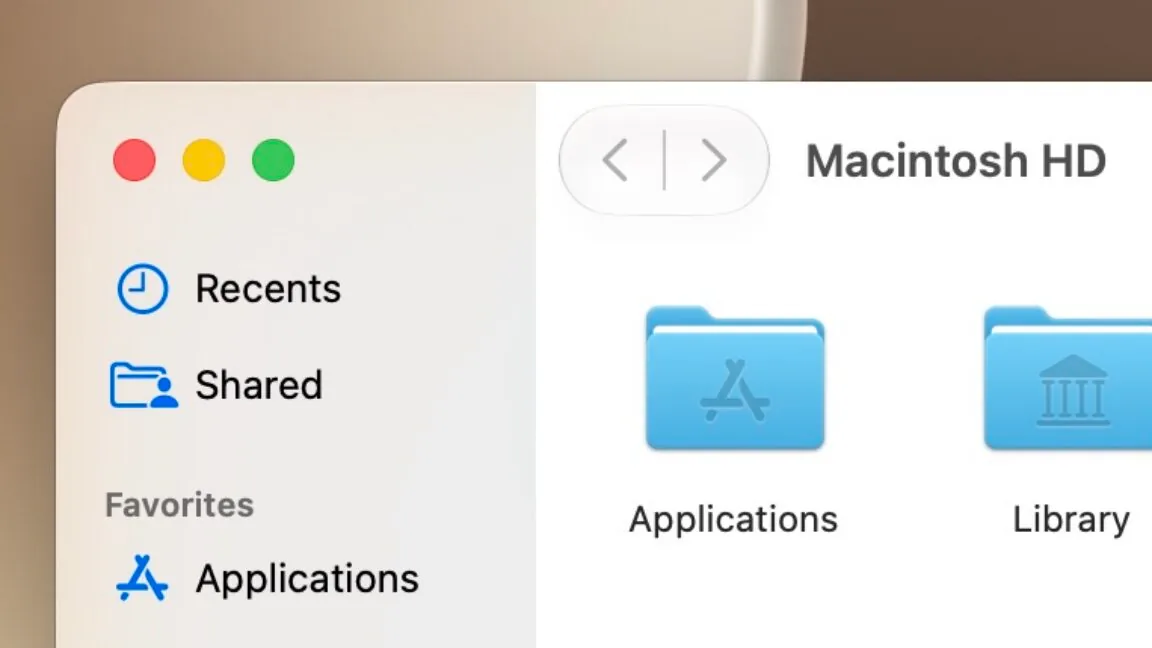
Apple's next major operating system update, macOS 27 Golden Gate, is set to release later in 2026, bringing a suite of refinements that prioritize user experience and core functionality. While artificial intelligence features have dominated tech headlines, many of the most appreciated changes in the Golden Gate beta are simpler, focusing on design consistency and improved workflows.
One of the most welcome adjustments observed in the macOS Golden Gate beta is the reversion of application menus to a cleaner, icon-free presentation. Previously, Apple had experimented with adding small icons next to menu items, a change that many users found cluttered and unnecessary. The return to a minimalist design, aligning with established macOS conventions, offers a more streamlined and intuitive navigation experience. This aesthetic choice reflects a broader trend in software design that values clarity and efficiency.
Beyond menu aesthetics, the update addresses various usability aspects. For instance, developers are receiving renewed guidance from Apple regarding practices observed in previous macOS versions, particularly concerning the integration of certain functionalities. While the specifics of these warnings are often technical, they aim to maintain the integrity and security of the Apple ecosystem.
Streamlined Workflows and Developer Guidance
The focus on non-AI enhancements is evident in several areas. The MacBook lineup is confirmed to receive the macOS 27 Golden Gate update, ensuring a wide range of users will benefit from its improvements. Apple has released a compatibility list, allowing users to check if their specific MacBook model will be supported, a common practice that provides transparency ahead of major software rollouts.
Furthermore, the beta has offered insights into bypassing certain AI-driven waitlists, such as for Siri, indicating a more nuanced approach to feature rollouts and access. While AI remains a significant component of future technology, Apple appears to be balancing its development with essential improvements to the core operating system. This dual approach ensures that both cutting-edge features and fundamental user experience are being addressed.
The release of macOS 27 Golden Gate continues Apple's strategy of iterative improvements, building upon the foundation laid by previous versions like macOS 26 Tahoe. The company's commitment to refining the user interface and enhancing core system performance without solely relying on novel AI applications demonstrates a thoughtful product development cycle. Users can anticipate a more polished and efficient computing environment when the final version rolls out later this year.