
Instagram Bans Harassing Videos Filmed with Meta Glasses
Instagram is cracking down on videos that exploit and harass individuals, particularly those filmed surreptitiously with Meta's smart glasses. The new policy aims to prevent misuse of the technology for prank and pickup artist content.

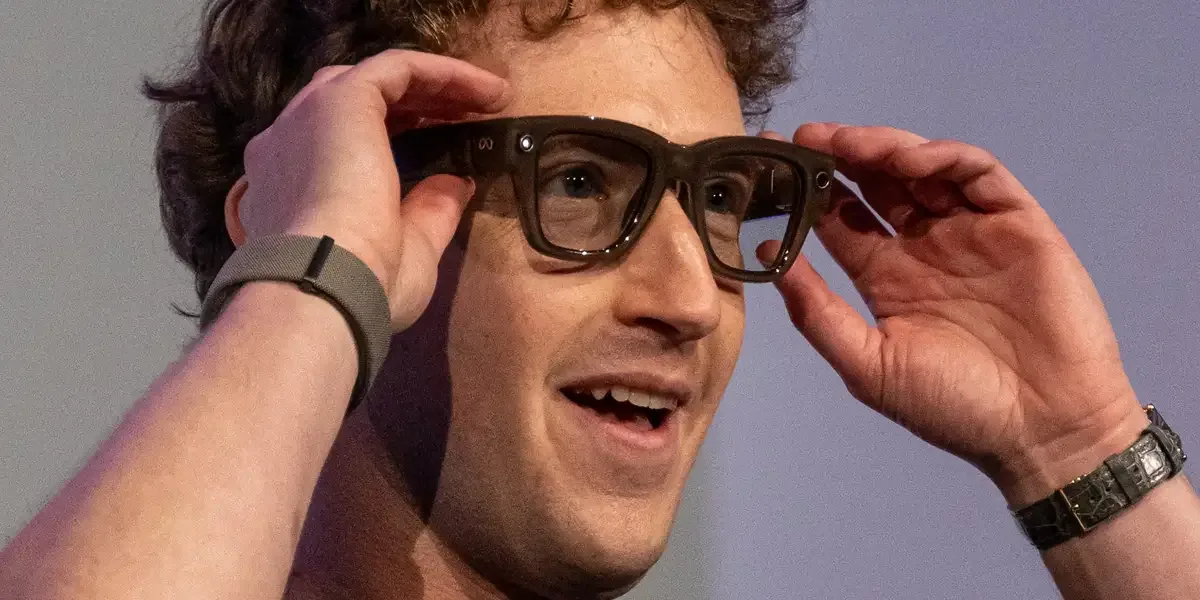
Instagram is implementing a new policy to ban videos captured with Meta's smart glasses that feature the harassment of unsuspecting individuals in public spaces. This move comes in response to a proliferation of prank and pickup artist content, often filmed without consent, that has drawn criticism for exploiting and bothering people. Adam Mosseri, head of Instagram, confirmed the crackdown in a recent Instagram story, stating that content taking advantage of and harassing people would be removed from the platform.
"We don't want people to be surreptitiously taking videos of other people and harassing them and then posting them on our platform," Mosseri said. "So we're trying to fight that every way we can." The decision targets content, often seen on platforms like TikTok and Instagram Reels, where individuals use Meta glasses to film pranks on service workers or to approach strangers, particularly women, under the guise of pickup artistry. These videos have frequently been criticized for crossing the line into harassment and obnoxious behavior.
Account Deactivations and Enforcement
The new policy has already led to the deactivation of at least two prominent accounts belonging to pickup artists. These accounts, which had amassed over a million followers each, were removed for violating the guidelines against posting harassing content filmed with the smart glasses. A spokesperson for Meta confirmed the deactivations to Business Insider, citing the violations. However, Meta has not provided specific details on how the new policy is being enforced or what precise criteria define a violation.
Meta glasses are equipped with an indicator light that signals when recording is active. While this feature is intended to provide a visual cue, previous models allowed users to tamper with the light, rendering it ineffective. Meta has announced a software update that will disable the camera if tampering with the indicator light is detected. Nevertheless, even with the light functioning, it may not be universally recognized as a recording indicator, especially in bright outdoor conditions, making surreptitious filming still a concern.
The decision to implement this ban may also be influenced by Meta's efforts to distance its smart glasses from negative public perceptions, including a growing moniker on social media labeling them "pervert glasses." While the use of Meta glasses in public spaces remains a subject of debate and warrants user caution regarding privacy, the new policy represents a significant step toward curbing the misuse of the technology for creating and distributing exploitative content. The enforcement of this policy aims to create a safer environment on the platform by deterring users from profiting from prank videos or predatory pickup tactics captured through the device.
The broader implications of this policy extend to the responsible use of wearable technology. As more devices incorporate cameras and recording capabilities, platforms like Instagram face the challenge of balancing user-generated content with the need to protect individuals from privacy violations and harassment. The company's efforts to combat misuse of its own hardware highlight the ongoing ethical considerations surrounding smart glasses and augmented reality devices. Future enforcement and public perception will be key indicators of the policy's success in mitigating the negative aspects of this technology.