
Google Pauses AI Image Generation in Earth After Misinformation Concerns
Google has temporarily disabled a new AI image generation feature in Google Earth after users created and shared content that raised concerns about misinformation and policy violations.

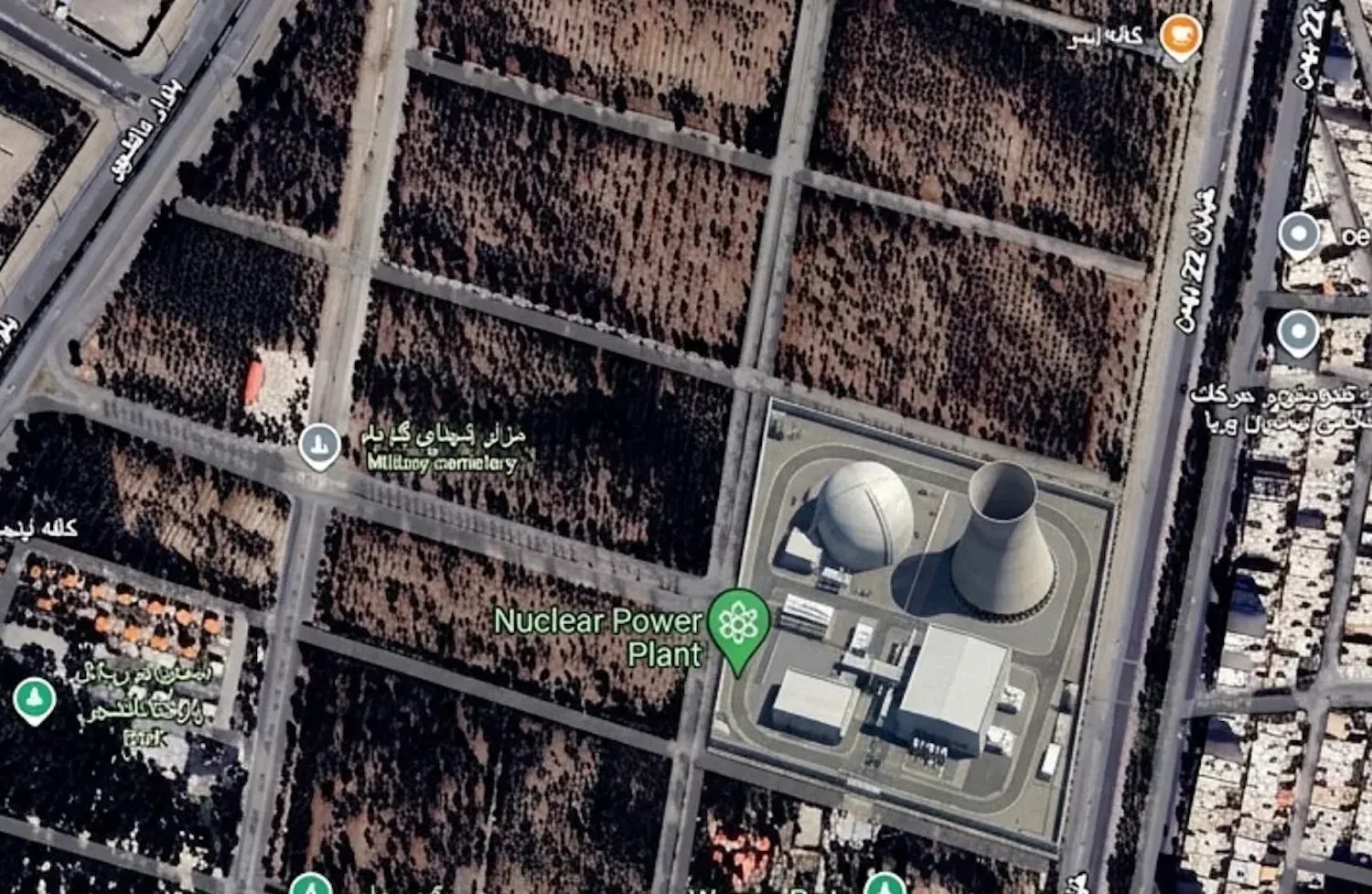
Google has halted a newly introduced artificial intelligence image generation feature within Google Earth, just one day after its launch, following significant user backlash. The tool, which leveraged Google's Nano Banana 2 AI model, enabled users to create photorealistic images based on the platform's extensive satellite, aerial, and 3D imagery by providing simple text prompts for any global location.
The feature was quickly met with criticism due to its potential to spread misinformation. Critics pointed out that users could easily generate fabricated scenarios superimposed on real-world imagery of prominent landmarks and monuments. Henk van Ess, an expert in AI and misinformation based in Amsterdam, voiced his strong objections on his Digital Digging website. "Tonight I typed just one sentence into Google Earth and put refugees near the Mexican border," he stated. "Then I planted a nuclear plant in Iran. Then I put a fatal crash on a street in Amsterdam. Google’s own satellite imagery underneath all three. What on earth is Google doing?"
Less than 48 hours after its announcement, Google implemented a pause on the capability. "We’ve seen geospatial professionals using this feature for a range of useful purposes, however we’ve also seen people sharing screenshots of generated imagery that appear to violate our policies," a company spokesperson stated on X, formerly Twitter. The company indicated it was pausing the feature while working to implement "stronger guardrails." Specific details regarding the types of images that violated company policies were not provided by Google. The company did note that the generated images did not appear in the main Google Earth experience and were watermarked as AI-generated.
Navigating the AI Landscape
The rapid integration of AI tools across major tech products has presented companies with considerable challenges. Giants like Google and Meta have had to adjust, restrict, or temporarily disable features in response to user policy violations, the spread of misinformation, and broader privacy concerns. Earlier this month, Meta discontinued Muse Image, an AI feature that permitted image generation using public Instagram accounts, after facing widespread criticism, including from a Hollywood union, regarding privacy implications.
This incident highlights a recurring theme in the current technological landscape: the tension between the rapid advancement of AI capabilities and the crucial need for responsible deployment. As AI models become more sophisticated, their capacity for generating realistic but false content increases, posing significant challenges for platforms tasked with maintaining the integrity of information. Google Earth, long considered a definitive and trusted source for geographic information, now faces scrutiny over how it balances innovation with the prevention of misuse.
Mr. van Ess further commented on the implications, writing, "Google spent twenty years building the reference the world checks against. Today it added a button that makes things up." This sentiment underscores the potential erosion of trust if AI-generated content is not clearly distinguished or if platforms fail to adequately control its application. The pause on the Google Earth AI feature indicates the company's recognition of these risks and its commitment, albeit reactive, to addressing them by developing more robust safety measures before reintroducing the tool.