
Google Declares Android an 'Intelligence System,' Not Just OS
Google is rebranding Android from an operating system to an 'intelligence system,' integrating AI features like Gemini Intelligence to automate tasks and personalize user experiences.

MOUNTAIN VIEW, CA – At its annual developer conference, Google announced a significant pivot, reframing its ubiquitous Android as an "intelligence system" rather than solely an operating system. This strategic shift, spearheaded by figures like Sameer Samat, aims to emphasize the platform's advanced artificial intelligence capabilities that extend beyond traditional software functions. The move positions Android as a proactive assistant, translating user intentions into actionable outcomes through deep AI integration.
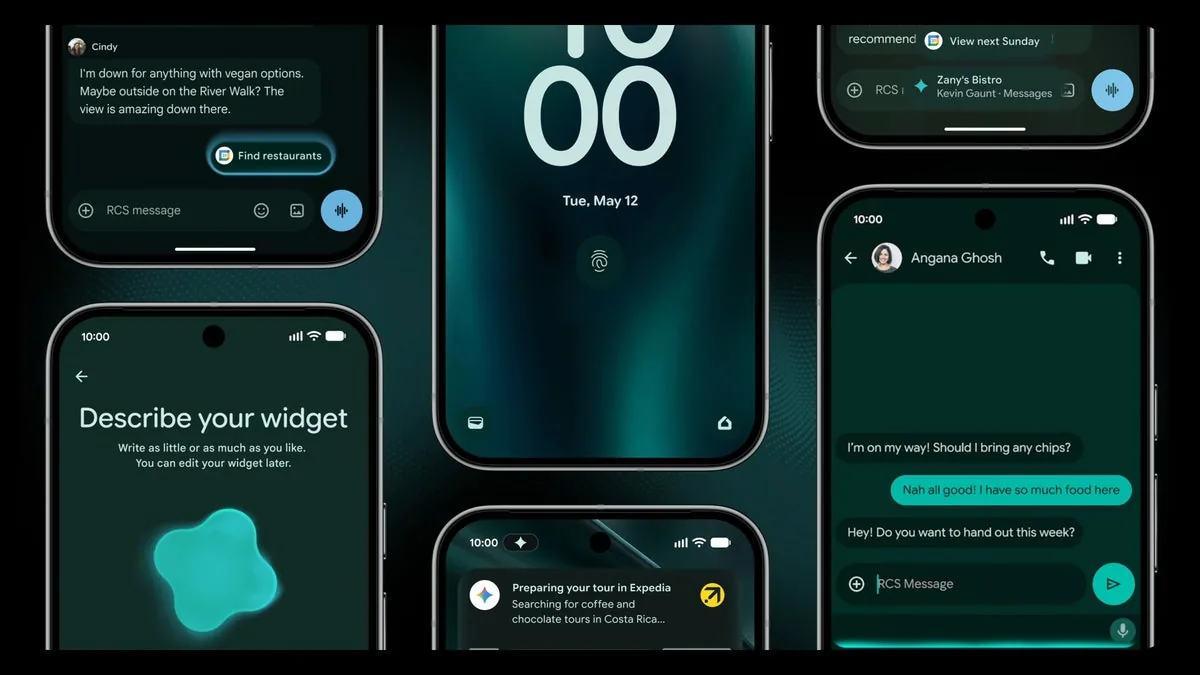
The entire Android ecosystem is being redefined around this new paradigm. Key announcements, including the widespread rollout of Gemini Intelligence across Android devices and the introduction of new Googlebook laptops, were presented as evidence of Android transcending its conventional OS roots. Gemini Intelligence promises to empower smartphones with unprecedented automation, enabling them to execute complex multi-step tasks across various applications, generate summaries of on-screen content, intelligently fill forms using personalized context, and even create custom widgets based on simple text descriptions.
AI Integration Drives New Functionality
Further enhancing this intelligence-driven approach, features like Magic Cue are designed to surface relevant information from emails and calendars in real-time, streamlining access to personal data. The new Rambler feature demonstrates Android's enhanced communication capabilities by transforming rambling voice notes into polished, coherent messages. These advancements highlight Google's commitment to making Android a more intuitive and efficient platform, deeply integrated into users' daily lives and workflows.
The shift from operating system to intelligence system signifies a broader trend in the tech industry, where AI is becoming the central driver of user experience. Traditional operating systems primarily manage hardware and software resources. Google's new framing suggests Android will actively anticipate user needs, automate complex processes, and offer personalized insights. This evolution is crucial for maintaining relevance in a competitive landscape where AI-powered features are increasingly becoming the primary differentiator for consumer technology.
While Google heralds this as a fundamental evolution, some observers view the terminology change as primarily a marketing strategy to highlight existing and upcoming AI functionalities. Regardless of the semantic debate, the practical implications for users are substantial. The integration of advanced AI promises a more seamless and intelligent interaction with mobile devices, extending beyond mere task execution to proactive assistance and sophisticated information management. The future of Android, according to Google, is one where the operating system acts as an intelligent partner.