
Samsung Z Fold 7 Faces Fierce Competition Amid Apple Rumors
Samsung is feeling the heat ahead of its new Galaxy Z Fold and Z Flip launch. Increased competition from Motorola and Google, plus the anticipated entry of Apple, puts immense pressure on Samsung's next foldable devices to innovate and maintain market leadership.

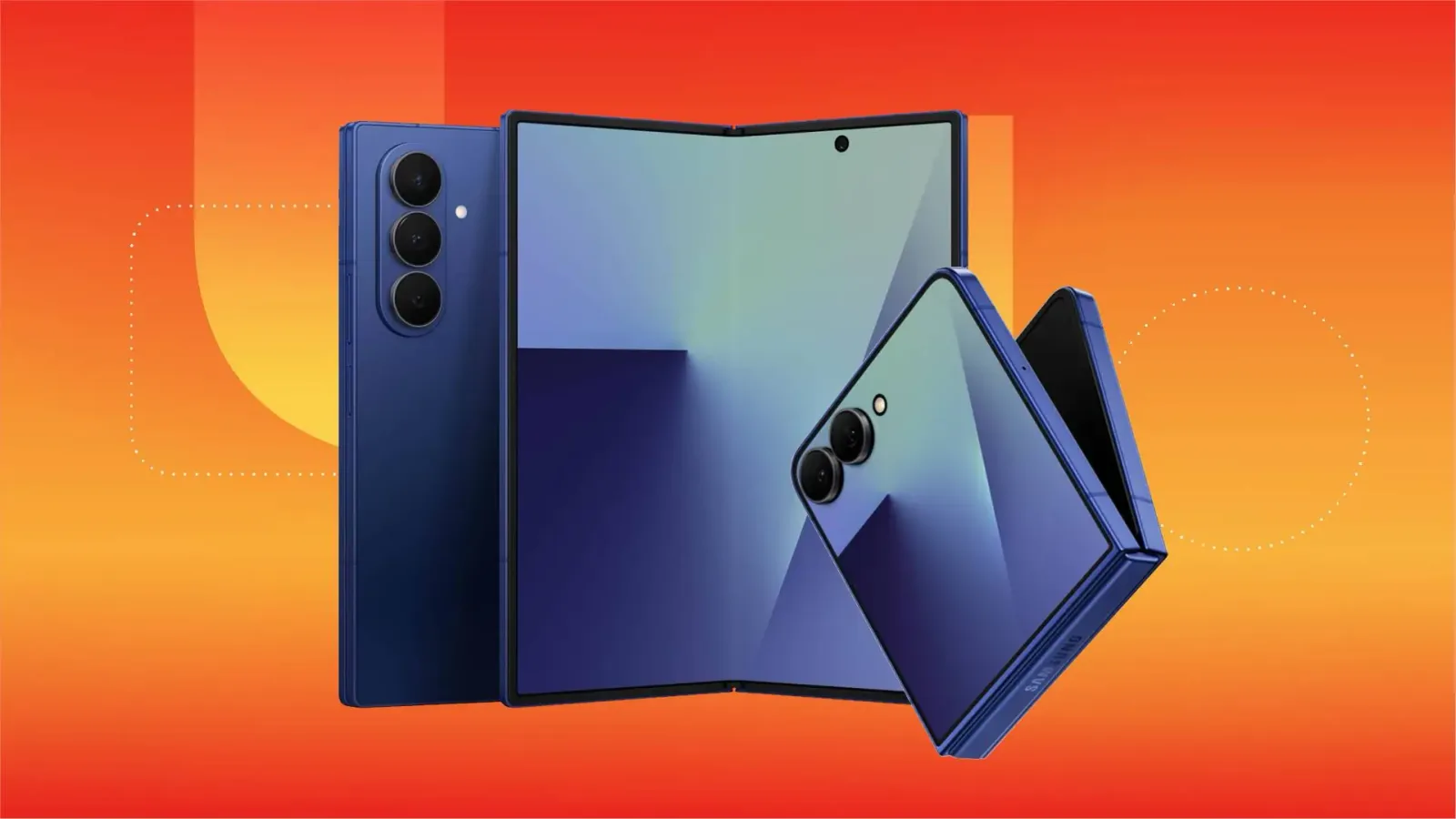
Samsung is gearing up for its annual folding phone event, scheduled for Wednesday in London, where the company is widely expected to unveil its latest Galaxy Z Fold and Galaxy Z Flip devices. The tech giant faces unprecedented pressure to demonstrate that its foldables remain the industry standard, especially as competition intensifies and market dynamics shift.
Since its debut in 2019, Samsung's foldable line has established it as a pioneer in the category. The company's most recent models, the Galaxy Z Fold 7 and Galaxy Z Flip 7, launched last year, offering a compelling blend of durability, practicality, and innovation. However, this year's releases must push the boundaries further to counteract a rapidly evolving market landscape.
The foldable phone market saw a significant 28% year-on-year increase in shipments in North America during 2025, according to data from Counterpoint Research. While this growth signals expanding consumer interest, Samsung's market dominance has seen a decline. Motorola has made substantial inroads, particularly with its Razr line, a flip-style phone that competes directly with the Galaxy Z Flip 7 and is priced approximately $300 lower. The success of the Razr propelled Motorola's market share to 44% in 2025, a gain of about 14% from the previous year, mirroring Samsung's losses.
Motorola has expanded its foldable offerings with four distinct models, including the Razr Fold, its first book-style foldable introduced earlier in 2026. Beyond Motorola, Samsung also contends with Google's Pixel Fold. In international markets, Chinese manufacturers like Honor and Huawei are also significant players. Furthermore, persistent rumors suggest Apple is preparing to enter the foldable arena with a widescreen, book-style folding phone, potentially at its September event.
Anticipation Builds for Apple's Foldable Entry
The looming possibility of Apple entering the foldable market presents a substantial challenge. While Samsung and other manufacturers have diligently refined the foldable form factor, Apple's history of successfully mainstreaming emerging technologies could prove pivotal, especially in the crucial American market. Counterpoint Research forecasts that Apple could capture 28% of the foldables market by the end of 2026. Many of these initial customers are expected to be existing iPhone users, but Apple's device may also sway Android users considering a premium foldable experience.
Paolo Pescatore, an analyst at PP Foresight, noted the potential impact of Apple's entry. “The eagerly anticipated Apple foray into this category threatens to reset consumer expectations,” Pescatore stated. He advised, “Samsung must use its early market lead, deep experience, and partnerships such as Gemini to exploit the unique capabilities of the foldable form factor fully.” He further emphasized the need for “delivering tightly integrated hardware, software and services as one seamless experience.”
In response to this competitive pressure, Samsung is rumored to be developing a new, wider rectangular device, similar in concept to Apple's reported design. The success of this model will hinge on Samsung's ability to leverage its years of user data and experience to optimize the user experience for the new screen aspect ratio. If Samsung executes effectively, it could not only solidify its position as a primary rival to Apple across the smartphone spectrum but also underscore the foundational importance of its pioneering work in the foldable market.
Adding to Samsung's challenges is the ongoing “RAMageddon” memory shortage, which has already led to increased phone prices and is likely to affect the cost and availability of the new foldable models. This confluence of factors—intense competition, the potential disruption by a major player like Apple, and supply chain constraints—creates a high-stakes environment for Samsung's upcoming Galaxy Z Fold and Flip releases.