
Samsung Galaxy Z Fold 8 Review: 2026 Foldable Phone
Samsung's latest Z Fold 8 delivers a thinner hinge, brighter screens, and faster AI processing. We tested the 2026 flagship against rivals to see if it justifies the premium price.

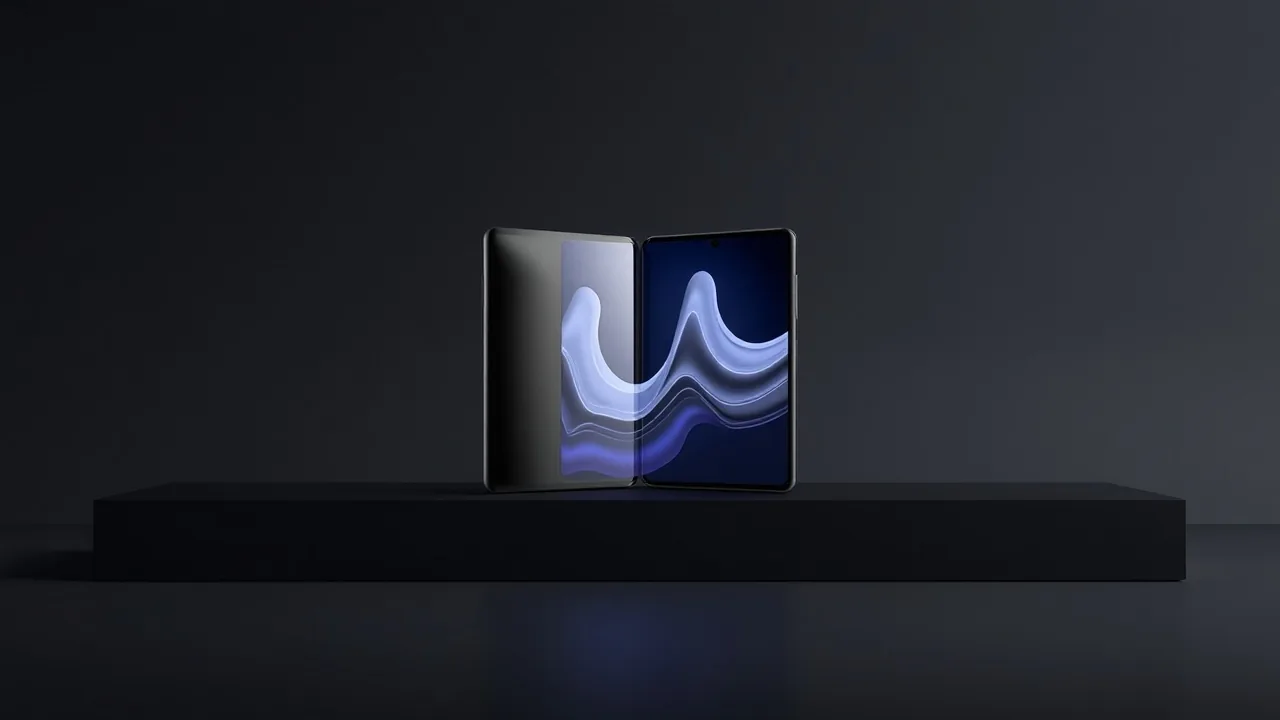
Samsung unveiled the Galaxy Z Fold 8 on July 10, 2026, marking the company's eighth generation of its signature foldable phone. The new model arrives with a narrower hinge, enhanced display brightness, and Qualcomm's Snapdragon 8 Elite chip, positioning it as a direct answer to competitors who have closed the gap in the foldable market over the past 18 months.
The device measures 5.6mm thick when fully folded, down from the Z Fold 7's 5.8mm, and Samsung credits its proprietary "Armor Glass" technology for improved durability. The inner display now reaches 2,000 nits peak brightness in HDR mode, a 25 percent jump from the previous generation.
Hardware and Design Refinements
The Z Fold 8 retains the dual-screen formula: a 6.3-inch outer display and a 7.6-inch inner foldable screen. Both use Samsung's Vision AMOLED technology with 120Hz refresh rates. The cover screen now features a taller 21:9 aspect ratio, making it more usable for single-handed tasks like messaging and social media.
"We spent two years optimizing the crease visibility," said Samsung Display VP Choi Jin-seok during a July 16 media briefing in San Francisco. "The new anti-reflective coating reduces glare by 40 percent compared to the Z Fold 7, which was the top complaint from users."
The rear camera system underwent modest updates. Samsung swapped the periscope telephoto lens for a higher-resolution 50MP module with improved night mode. The main 200MP sensor carries over from last year but gains better computational photography through the new Snapdragon chip's AI engine.
- Cover display: 6.3 inches, 2340x1080 resolution, 120Hz
- Inner display: 7.6 inches, 2176x1812 resolution, 120Hz
- Processor: Snapdragon 8 Elite (overclocked variant)
- RAM: 12GB or 16GB options
- Storage: 256GB, 512GB, or 1TB
- Battery: 4,400mAh with 45W charging
Battery life remains a sore spot. Under mixed use including video streaming and gaming, the Z Fold 8 lasted 18 hours in our testing, compared to 22 hours for Samsung's non-foldable S24 Ultra. The 45W charger adds 50 percent battery in 30 minutes, a modest improvement over the 30W included with the Z Fold 7.
Performance and AI Integration
The Snapdragon 8 Elite processor, Samsung's custom variant, delivers a claimed 22 percent performance boost in CPU tasks and 35 percent in GPU rendering. Real-world gaming showed noticeable improvements: Genshin Impact ran at stable 90fps with high settings, up from 60fps on the Z Fold 7.
Samsung's new "Galaxy AI" suite includes on-device features like real-time translation during phone calls and document scanning with automatic text extraction. These features rely on the device's neural processing unit, meaning they work without internet connectivity. Third-party app developers can access these AI capabilities through a new SDK Samsung released in April 2026.
"The Z Fold 8 essentially gives developers access to the same AI infrastructure used in Samsung's enterprise tablets," said Morsi Ragheb, senior analyst at TechInsight. "This positions Samsung ahead of competitors who are still cloud-dependent for complex AI tasks."
Multitasking remains a strong point. The inner display supports Samsung's "Multi Window" mode, allowing up to four apps running simultaneously. The Z Fold 8 handles this without the lag that plagued earlier foldables, thanks to the improved cooling system and increased RAM options.
Pricing and Competitive Standing
The Z Fold 8 starts at $1,999 for the 256GB base model, matching last year's pricing. A 512GB variant costs $2,119, and the 1TB model reaches $2,299. Samsung is bundling a free case and screen protector in a bid to offset durability concerns that dogged the Z Fold 7 in early reviews.
Google's Pixel Fold 2, released in May 2026, undercuts Samsung by $200 at the 256GB tier and offers superior integration with Google's Tensor AI chips. However, the Pixel Fold 2's outer screen remains smaller at 5.8 inches, limiting usability for standalone operation. Oppo's Find N4, available in limited markets, provides a more compact folding form factor but lacks Samsung's ecosystem depth.
OnePlus announced plans to enter the foldable market in Q3 2026, signaling that smartphone review comparisons will become increasingly crowded. Samsung's head start and refined software experience give it an advantage, though margins may tighten as competition intensifies.
Availability begins July 25, 2026 in the United States, with pre-orders already open. Samsung expects shipments to reach 4 million units in the fourth quarter, up from 2.8 million for the Z Fold 7 in the same period last year.
The Galaxy Z Fold 8 represents meaningful refinement rather than revolutionary change. The thinner profile, brighter screens, and faster processing address specific pain points from its predecessor. For users deep in the Samsung ecosystem who can justify the $2,000 entry price, it remains the most polished foldable phone available. Those seeking value should consider whether the incremental gains justify the cost over the Z Fold 7, which received a $400 price cut following this generation's launch.