
Meta's Lighter VR Headsets Aim for Mainstream Appeal
Meta is unveiling lighter, more advanced VR headsets, aiming to move beyond niche gaming into everyday use as a cinema, workspace, and more. The company hopes these devices will be a significant step forward for virtual reality adoption.

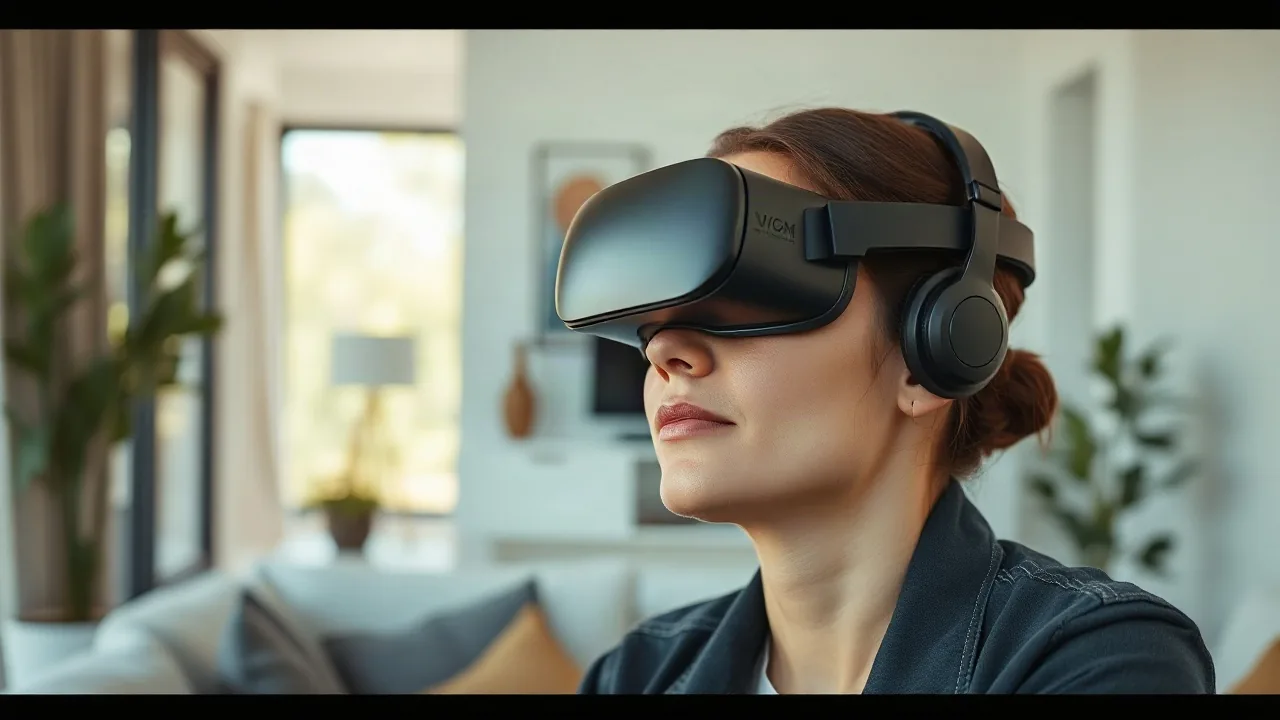
Meta is gearing up to release a new generation of virtual reality headsets that are significantly lighter and more versatile, potentially signaling a new era for the technology. The company showcased advancements at its recent Connect 2026 event, highlighting devices that weigh as little as 100 grams. These next-generation headsets are designed not just for gaming but also for applications like virtual workspaces, immersive cinema experiences, and even attending events courtside, aiming to integrate VR more seamlessly into daily life.
The push for lighter, more comfortable hardware is crucial for wider VR headset adoption. Previous iterations of VR technology have often been criticized for their bulkiness and the discomfort associated with prolonged use. By reducing the weight and improving the ergonomics, Meta aims to address these barriers and make extended VR sessions more feasible and enjoyable for a broader audience. This focus on user experience is a key strategy to move virtual reality from a niche entertainment product to a mainstream computing platform.
Advancing the VR Ecosystem
Beyond hardware, Meta is also investing heavily in software and avatar technology. The company has previewed realistic avatars that could transform social interactions within virtual environments, making virtual meetings and social gatherings feel more present and engaging. This development is part of a larger vision to create a more connected and interactive metaverse, where users can seamlessly transition between different virtual experiences. The success of these initiatives hinges on creating compelling content and applications that leverage the full potential of the hardware.
Mark Zuckerberg has reportedly described the company's efforts in AI and VR as potentially their "iPod moment," suggesting a belief that these technologies could revolutionize consumer electronics much like Apple's iconic music player did. This comparison underscores the ambitious goals Meta has set for its VR and metaverse divisions. While the path to widespread VR adoption has been challenging, marked by gradual progress and significant investment, the latest hardware improvements and software innovations suggest a renewed focus and potential breakthrough.
The success of these new VR headsets will depend on several factors, including market reception, the development of compelling use cases beyond gaming, and the ability of Meta to foster a robust ecosystem of developers and content creators. If successful, these devices could indeed represent a significant leap forward, making virtual reality an integral part of how people work, play, and connect in the coming years.