
Global Memory Chip Shortage Restricts MacBook Air Supply
A global memory chip shortage, fueled by AI industry demand, is impacting Apple's MacBook Air availability. Retailers report longer wait times for the popular laptop.

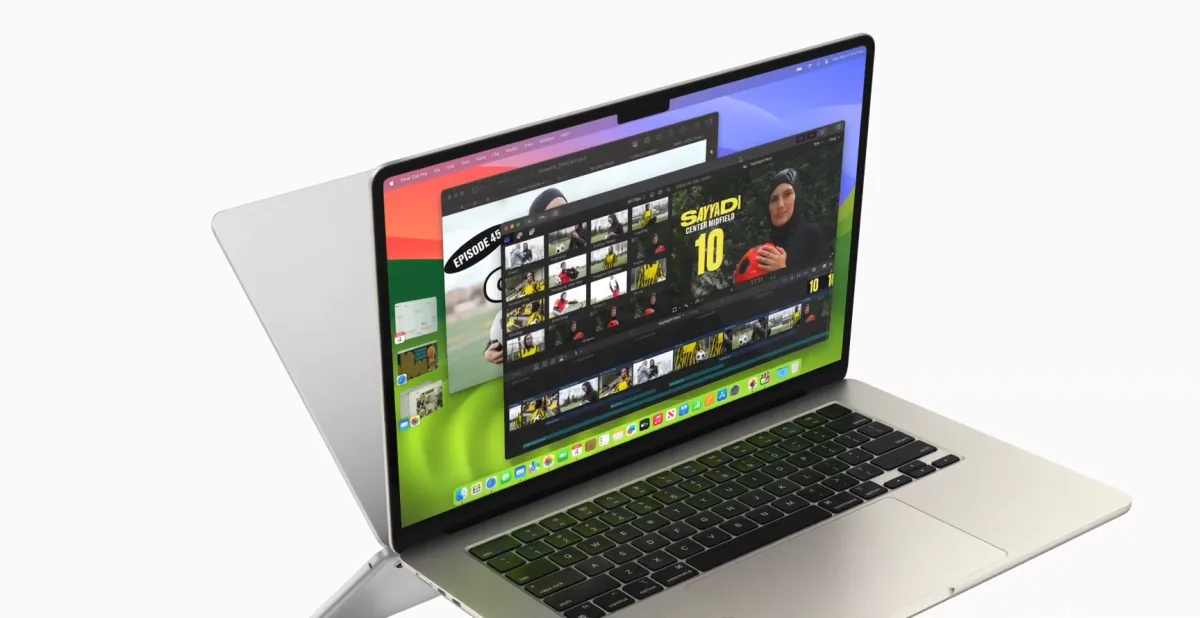
The escalating global memory chip shortage, significantly driven by the intense demands of artificial intelligence companies, is now affecting the availability of Apple Inc.'s widely popular MacBook Air. While the supply constraints had previously impacted Apple's more specialized Mac mini and Mac Studio models, the issue has now demonstrably reached the company's best-selling laptop.
Retailers are observing that supply for the MacBook Air is tighter than at any previous point. Consumers seeking to purchase a MacBook Air directly from Apple's website are currently facing wait times extending into the latter half of August for standard configurations, with certain specialized builds requiring customers to wait until September. This scarcity marks a notable escalation in the ongoing component crunch.
AI Demand Exacerbates Component Crunch
The current semiconductor landscape is characterized by unprecedented demand, particularly for memory chips essential for advanced computing tasks. The rapid expansion of the artificial intelligence sector, with its insatiable appetite for high-performance processors and memory, is a primary contributor to this global shortage. Major technology firms are investing heavily in AI infrastructure, leading to a bottleneck in the production of crucial components. This situation is not unique to Apple; numerous electronics manufacturers are navigating similar challenges in securing the necessary parts to meet consumer and enterprise demand.
Industry analysts note that the intricate supply chains for semiconductors are highly susceptible to disruptions. Factors such as geopolitical tensions, manufacturing facility issues, and surges in demand for specific chip types can quickly create widespread shortages. The reliance on a few key manufacturers for cutting-edge memory technology further concentrates these risks. While Apple, with its significant purchasing power, typically enjoys preferential treatment, the sheer scale of the current demand appears to be overwhelming even its considerable influence.
The implications of this shortage extend beyond immediate delivery delays. Potential production slowdowns could affect Apple's revenue forecasts for the current fiscal year if the company cannot secure sufficient components to meet projected sales targets for the MacBook Air, a device that represents a significant portion of its Mac computer sales. The company's ability to mitigate these supply chain issues will be a critical factor in its financial performance in the coming months.
Apple has not publicly commented on the specific impact of the memory chip shortage on MacBook Air production. However, the extended wait times reported by customers and retailers suggest that the company is actively working to navigate these challenging market conditions. The situation underscores the fragility of global tech supply chains and the profound impact that emerging technologies like AI can have on the availability of consumer electronics.