
Laptop Battery Life Surges: How Efficiency Fuels 34+ Hour Endurance
Laptop battery life has dramatically increased in recent years, with some models now exceeding 34 hours. This leap is driven by more efficient mobile processors and smaller, advanced manufacturing processes.

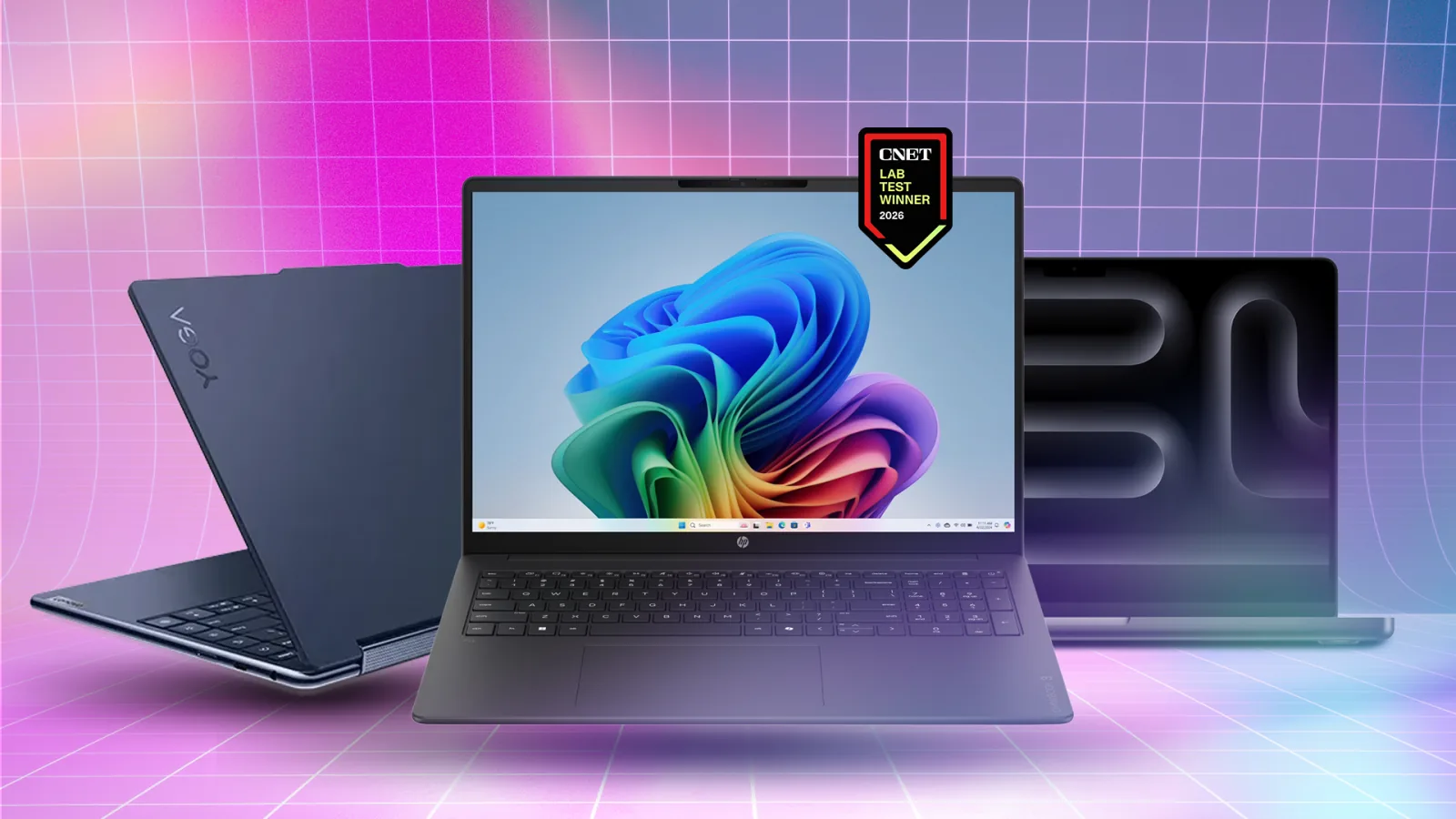
Laptop battery life has seen a dramatic surge in recent years, with the latest models achieving over 34 hours of endurance on a single charge, a stark contrast to the 8-9 hour averages seen just a few years ago. This significant leap, particularly pronounced in 2024, is not due to larger batteries but rather advancements in processor technology and manufacturing efficiency.
Historically, yearly improvements in laptop performance were incremental. However, the battery life gains have been substantial, with notable jumps occurring since the introduction of Apple's M1 MacBook Air at the start of the decade. This year has witnessed the most significant spike yet, with average laptop battery life climbing to nearly 17.5 hours—a five-hour increase from last year and a near doubling since 2020.
Brands like Apple and HP are currently leading the pack, offering laptops powered by efficient mobile processors from Qualcomm and Intel that deliver exceptional battery endurance. Labs testing has revealed numerous laptops surpassing the 20-hour mark, with several exceeding 24 hours. One HP OmniBook model reportedly lasted over 34 hours in drain tests earlier this year.
Processor Architecture Drives Efficiency
The primary driver behind this battery life revolution is the evolution of mobile processors. While laptop batteries themselves face physical and regulatory limitations on size, the chips powering them have become considerably more efficient. A key shift has been the adoption of the Arm architecture by companies like Apple with its M-series chips and Qualcomm with its Snapdragon X series processors. Unlike the traditional x86 architecture used by Intel and AMD, Arm-based chips utilize a reduced instruction set computing (RISC) design. RISC employs simpler instructions that are faster and easier to decode, leading to lower power consumption.
While historically Arm chips lagged in performance compared to x86, recent generations have significantly closed the gap. Apple's M-series processors, now in their fifth generation, and Qualcomm's latest Snapdragon X2 series are demonstrating strong performance alongside remarkable power efficiency. Simultaneously, Intel's advancements with its Lunar Lake and Panther Lake processors on the x86 side have also yielded substantial gains in power efficiency, enabling comparable all-day battery life.
Beyond architectural changes, processor miniaturization plays a crucial role. As transistors shrink and manufacturing processes become more refined, processors require less power. Intel's move to a 1.8nm process with its Panther Lake chips, for instance, represents a significant step in packing components more densely and efficiently. Qualcomm's Snapdragon X2 series also uses a 3nm process, mirroring Apple's approach since the M3 chips.
Modern processors also incorporate a more flexible design, utilizing a mix of high-performance cores and specialized efficiency cores. The system intelligently engages the more power-hungry cores only when necessary, reserving the efficiency cores for everyday tasks. This strategy conserves power, reduces heat, and extends operational time. Furthermore, the integration of dedicated neural processing units (NPUs) offloads artificial intelligence workloads from the main CPU, further enhancing overall power efficiency.
These combined technological leaps mean that users can now expect significantly longer usage times between charges. The days of laptops barely lasting half a workday are largely behind us, replaced by devices capable of sustained operation for multiple days for typical users. This enhanced endurance, particularly evident in models like the HP OmniBook and various Copilot Plus PCs, represents a major step forward in portable computing, making laptops more versatile and reliable for extended use in 2024 and beyond.