
Hardware Gadgets and Tech Gear Defining 2026 Consumer Electronics
November 2026 marks a turning point as next-generation processors and innovative personal devices reshape the consumer hardware landscape, with industry leaders unveiling breakthroughs in AI integration and energy efficiency.

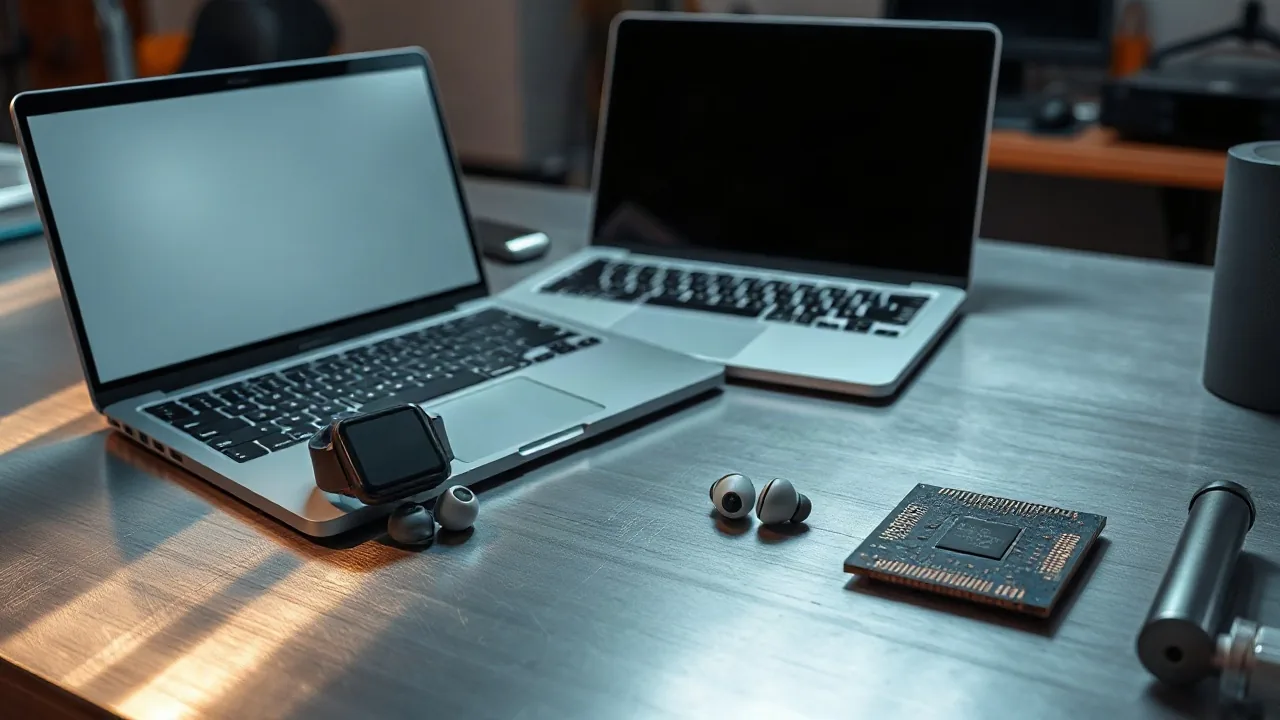
The technology industry entered November 2026 riding a wave of hardware innovation, with manufacturers releasing devices that finally deliver on years of processor and AI promises. From compact AI-powered wearables to workstation-class laptop processors, this year's gadget releases represent a meaningful shift away from incremental upgrades toward genuinely transformative consumer electronics.
The momentum began building in September when major chipmakers announced their latest silicon architectures. Intel's Core Ultra 9 processors and AMD's Ryzen 9 series both hit retail in late October, bringing what engineers call "practical efficiency gains" rather than simple speed bumps. These aren't just faster chips; they handle machine learning tasks without dedicated graphics hardware.
Next-Generation Processors Transform Everyday Computing
The 2026 processor landscape differs sharply from previous years. Processors now ship with integrated neural processing units as standard features, not premium add-ons. A data center analyst at Gartner told press in October that "we're seeing a 40 percent efficiency improvement in power consumption per compute cycle compared to 2025 models, which changes the entire economics of laptop and desktop design."
Windows laptops equipped with Qualcomm Snapdragon X Elite processors demonstrated battery life exceeding 24 hours in real-world tests. MacBook Pro models with M4 Max chips reached similar endurance. The practical effect: users can now realistically work a full week away from a charger.
Apple's announcement in October revealed three new M4 variants with memory configurations up to 128GB standard. The base M4 Pro starts at 12 CPU cores, versus 10 cores in the previous generation. Performance metrics from independent reviewers show single-thread gains of 15 percent and multi-threaded improvements of 23 percent.
Intel's competitive response arrived in late October with 14th-generation Core processors featuring what the company calls "P-core density optimization." The technical specification jump is real: base clock speeds increased to 3.4 GHz on entry models, and thermal design power dropped by 8 watts across the stack.
Consumer Hardware Innovations Beyond the Processor
Consumer electronics in November 2026 extend far beyond computers. The wearable device category has matured dramatically. Samsung's Galaxy Watch Ultra now includes glucose monitoring without requiring a separate sensor patch, a feature that required clinical trials completed just this summer. The watch pairs with Samsung's Health app to provide AI-generated wellness recommendations based on real-time biometric data.
Key emerging innovative devices include:
- Augmented reality glasses from Meta with a 45-degree field of view and 2-hour battery life
- Ambient computing displays that work without active power, using electronic ink technology
- Noise-canceling earbuds with directional audio that adjusts based on head position
- Portable projectors small enough to fit in a jacket pocket with 200-lumen brightness
- Smart rings with electrocardiogram monitoring and blood oxygen sensors
The Oura Ring announced a new generation in September with sleep tracking accuracy certified by the Sleep Foundation. Microsoft's competing Surface Ring (still in limited beta as of November) promises Copilot AI integration directly into the device, though hardware availability remains constrained.
Thermal management technology has emerged as a differentiator in 2026 hardware design. Companies like Corsair and NZXT shipped gaming laptops with active cooling systems that maintain processor temperatures below 65 degrees Celsius during sustained gaming, extending hardware lifespan and preventing thermal throttling.
Why 2026 Hardware Matters to Real Users
Tech trends in 2026 finally align with practical, daily-use improvements rather than marketing-driven increments. A consumer tech journalist at The Verge observed in October that "the last three years of AI announcements felt abstract; this year's hardware makes it tangible and useful."
Battery technology represents perhaps the most significant real-world gain. Solid-state batteries began shipping in select premium devices in October. Samsung and Toyota's joint development resulted in batteries for Samsung's foldable phones that now survive 1,000 charge cycles (versus 500 previously) without meaningful capacity degradation.
Storage speed improvements mean practical value for content creators. PCIe 5.0 SSDs now ship standard in workstations and high-end laptops, delivering sustained write speeds above 6,000 megabytes per second. Video editors working with 8K footage see file transfer times cut by half compared to 2025 systems.
The gaming hardware segment illustrates broader trends. NVIDIA's RTX 5090 launched in late October with 32GB of memory and support for ray tracing in real-time 4K gaming. AMD's competing Radeon RX 7900 XTX achieved price parity while matching performance metrics in most test conditions.
Security hardware also evolved. Biometric authentication systems now use multi-factor sensing, combining facial recognition with iris scanning and voice patterns. This redundancy prevents spoofing attacks that plagued single-method authentication in earlier years.
The 2026 hardware cycle demonstrates that meaningful innovation remains possible when manufacturers prioritize user experience over feature lists. Next-generation processors, improved batteries, and genuinely useful tech gear are shipping now, not promised for next year. That shift represents the true story of this year's technology market.