
Googlebook Leaks: Lenovo and ASUS Laptops Surface Ahead of Launch
New renders of Lenovo's upcoming Googlebook laptop have emerged, alongside AI-generated images potentially based on press renders for an ASUS model. Both devices are expected to launch later this year.

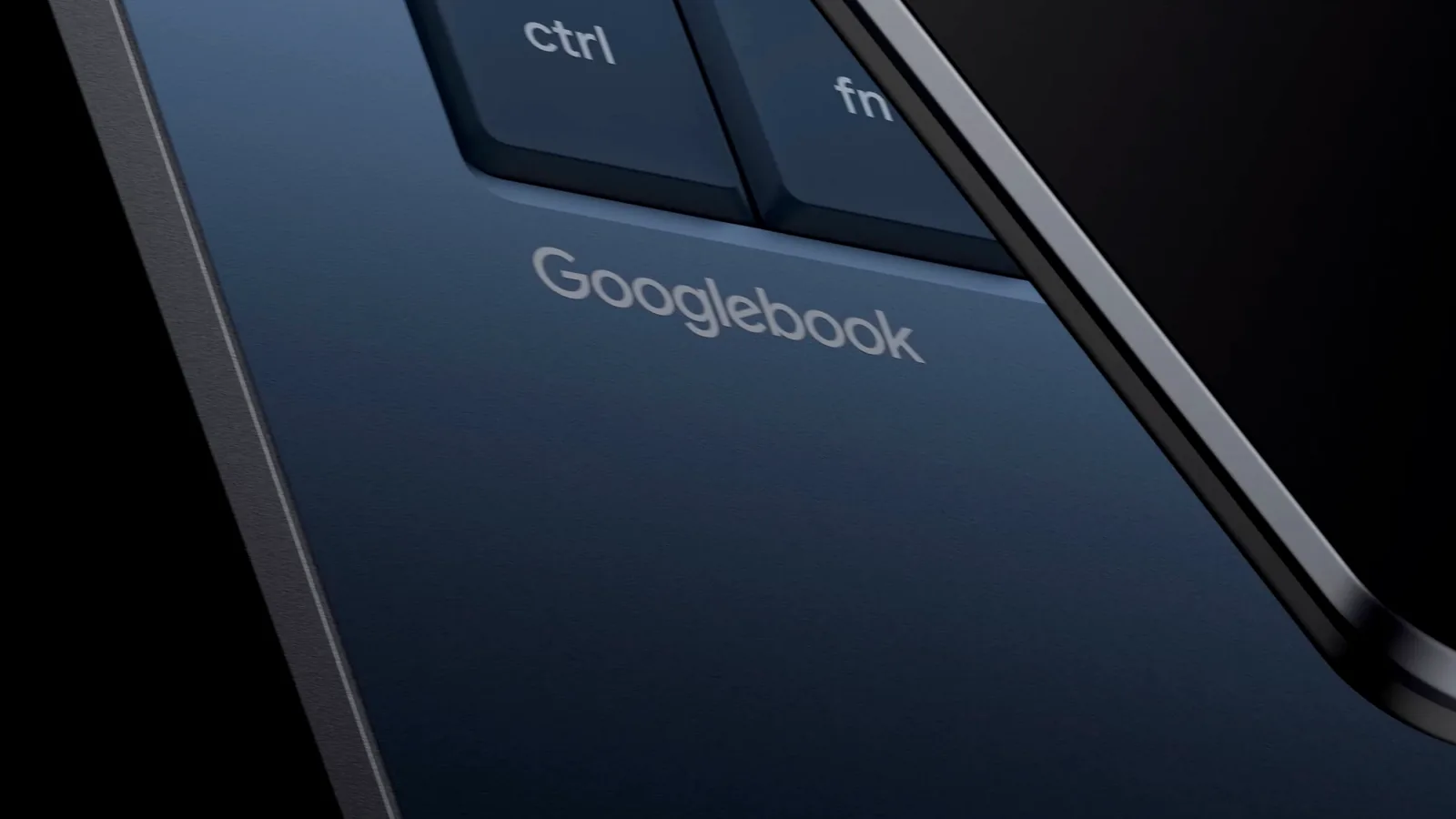
New visual information has surfaced for two upcoming Googlebook laptops from Lenovo and ASUS, offering a glimpse into the technology ahead of their anticipated release later in 2026. Renders of the Lenovo Googlebook 15 have appeared, showcasing the device from various angles. Separately, images purported to be press renders for an ASUS Googlebook have been shared, though a closer examination suggests these may have been enhanced or generated using artificial intelligence.
The leaks, primarily reported by Digital Citizen, provide an early look at what consumers can expect from these new ChromeOS-based devices. For Lenovo, the Googlebook 15 renders highlight design elements such as its ports and screen hinge, offering a detailed view of the hardware. This laptop is expected to be one of the first from the company running Google's optimized operating system, which aims to bridge the gap between traditional laptops and Android devices.
AI Images Raise Questions for ASUS Model
While the Lenovo renders appear straightforward, the images associated with the ASUS Googlebook have drawn scrutiny. These visuals, presented as a comprehensive press render set, exhibit tell-tale signs of AI generation. Inconsistencies in status bar icons, garbled keyboard characters, and artifacting in the ASUS and Googlebook branding point towards digital manipulation rather than authentic press materials. It remains unclear if these AI-generated images are an attempt to upscale genuine press renders, remove watermarks, or simply represent a speculative visualization based on leaked information.
The emergence of these leaks comes as Google prepares to launch the first wave of its new generation of Android-focused laptops. These devices, branded as Googlebooks, are designed to offer a more integrated experience for users within the Android ecosystem, potentially bringing enhanced app compatibility and performance. The first models are slated to hit store shelves in the fall of 2026, making these leaks particularly timely for potential buyers.
The strategy behind the Googlebook initiative appears to be a renewed effort by Google to bolster its presence in the laptop market. By leveraging partnerships with established hardware manufacturers like Lenovo and ASUS, Google aims to deliver competitive hardware that showcases the capabilities of its software. The success of these devices could hinge on their ability to offer a compelling alternative to existing Windows and macOS laptops, particularly for users heavily invested in Google's suite of services and the Android mobile platform.
This development also signifies a broader trend in the tech industry where AI is increasingly being used in the creation and dissemination of product information. While AI tools can aid in design and visualization, the potential for misinformation or inaccurate representation, as seen with the ASUS Googlebook images, highlights the need for careful verification. The industry is still navigating the ethical and practical implications of AI-generated content, especially when it pertains to pre-release product marketing.
Manufacturers often rely on press renders to generate excitement and provide media outlets with high-quality visuals ahead of an official announcement. The ambiguity surrounding the ASUS Googlebook images underscores the evolving landscape of digital content creation and the challenges in distinguishing between authentic marketing materials and AI-assisted fabrications. Consumers and tech journalists alike will need to maintain a critical eye as more information emerges about these upcoming devices.