
Google Xreal Aura Glasses Launch for $1,099, Challenge Meta
Google's Xreal Aura smartglasses have arrived, offering a mixed-reality experience for $1,099. The wired headset aims to compete with offerings from Meta.

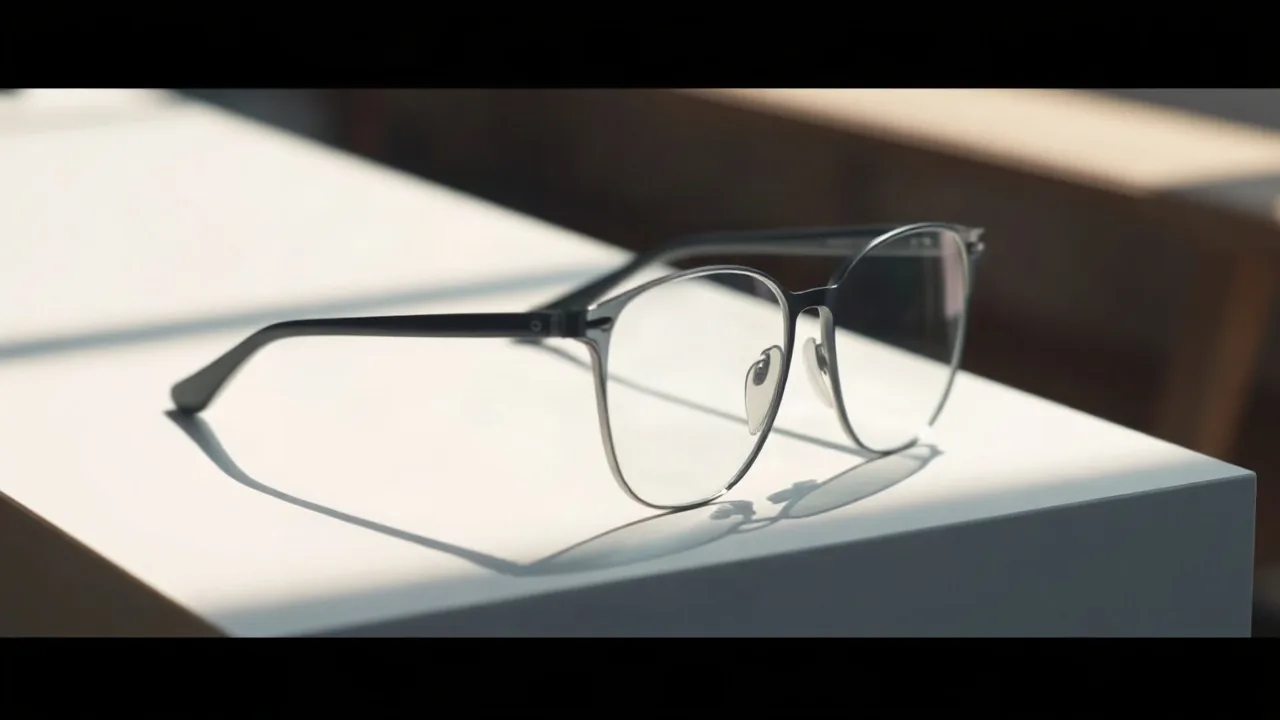
Google has officially launched its new Xreal Aura smartglasses, entering the mixed-reality market with a price tag of $1,099. The wired headset, available starting mid-November 2026, positions itself as a direct competitor to established players like Meta.
The Xreal Aura promises an immersive experience for watching media, working, and gaming, powered by Android XR. Unlike some of its competitors, which rely on untethered operation, the Aura requires a wired connection, a design choice that may appeal to users prioritizing consistent performance and potentially lower latency.
A New Contender in Mixed Reality
The introduction of the Xreal Aura marks a significant move for Google in the burgeoning augmented and mixed-reality space. While Google has explored XR technologies for some time, this marks a more concrete product offering directly to consumers, aiming to carve out its own niche. The $1,099 price point places it in the premium segment, above many consumer VR headsets but potentially below enterprise-level solutions.
Industry analysts suggest that the mixed-reality market is still in its early stages, with significant room for innovation and consumer adoption. Companies like Meta have invested heavily in developing their own VR and AR platforms, creating a competitive landscape. Google's entry, particularly with a product that offers a different approach in terms of connectivity, could influence future hardware designs and software development within the sector.
The device aims to provide a compelling visual experience, with early reports highlighting its capabilities for multitasking and content consumption. Users can expect to project virtual screens into their physical environment, creating a personal workspace or entertainment hub. The integration of Android XR suggests a commitment to a robust software ecosystem, potentially allowing for a wide range of applications and services to be developed for the platform.
Google's strategy with the Xreal Aura appears to focus on a specific user experience that prioritizes high-fidelity visuals and reliable connectivity. The wired nature of the headset is a deliberate design choice, potentially addressing concerns about battery life and the processing power limitations of untethered devices. This approach could resonate with professionals who require stable and powerful tools for productivity, as well as enthusiasts who seek the best possible visual fidelity for entertainment.
The launch comes at a time when the demand for immersive technologies continues to grow, fueled by advancements in graphics processing, display technology, and artificial intelligence. As more companies pour resources into developing their visions for the metaverse and spatial computing, products like the Xreal Aura will play a crucial role in shaping how consumers interact with digital content and the physical world. The success of the Xreal Aura could pave the way for future iterations and further innovation from Google in the XR domain.