
Google Pixel 11 Pro XL Price Hike: Bundles Could Justify $1,300 Cost
Google's upcoming Pixel 11 Pro phones may see a $100 price increase, with Pro XL potentially reaching $1,300. Analysts suggest bundled accessories could offset the higher cost.

Google is reportedly preparing to increase the prices of its upcoming Pixel 11 Pro lineup, with the high-end Pixel 11 Pro XL model potentially hitting $1,300. This price jump, attributed by Google to a significant rise in memory and storage costs, is expected to accompany a reduction in RAM for some models, prompting questions about how the company will justify the premium cost to consumers. The company's vice president of devices and services, Shakil Barkat, cited a "severe, supplier-driven RAM memory crisis" as the primary driver for the anticipated price hike.
Leaks suggest that the entry-level Pixel 11 Pro could see its price rise to $1,099 and the Pro XL to $1,299. As a partial offset, Google may double the base storage for the standard Pixel 11 Pro to 256GB. However, the RAM configuration is expected to decrease from 16GB to 12GB for these models, with only the 512GB variant reportedly retaining 16GB of RAM. This change would mean newer Pixel phones ship with less memory than their predecessors, a move that could alienate some buyers expecting top-tier specifications at a flagship price.
Justifying the Premium Price Point
The strategy of raising prices while potentially reducing some specifications places Google in a challenging position. While the Pixel line is known for its excellent camera performance and unique software features like Call Screen and Live Translate, its in-house Tensor chip has consistently lagged behind competitors from Qualcomm and MediaTek in terms of raw performance and power efficiency. This performance gap can be noticeable in demanding tasks such as gaming and can impact overall battery life, areas where Pixel phones have historically not matched the competition.
Despite these hardware limitations, consumers often choose Pixel phones for their distinctive software experience, timely Android updates, and advanced AI capabilities, including deep Gemini integration. However, industry observers note that these software advantages alone may not be sufficient to convince consumers to pay a higher price, especially when paired with reduced RAM.
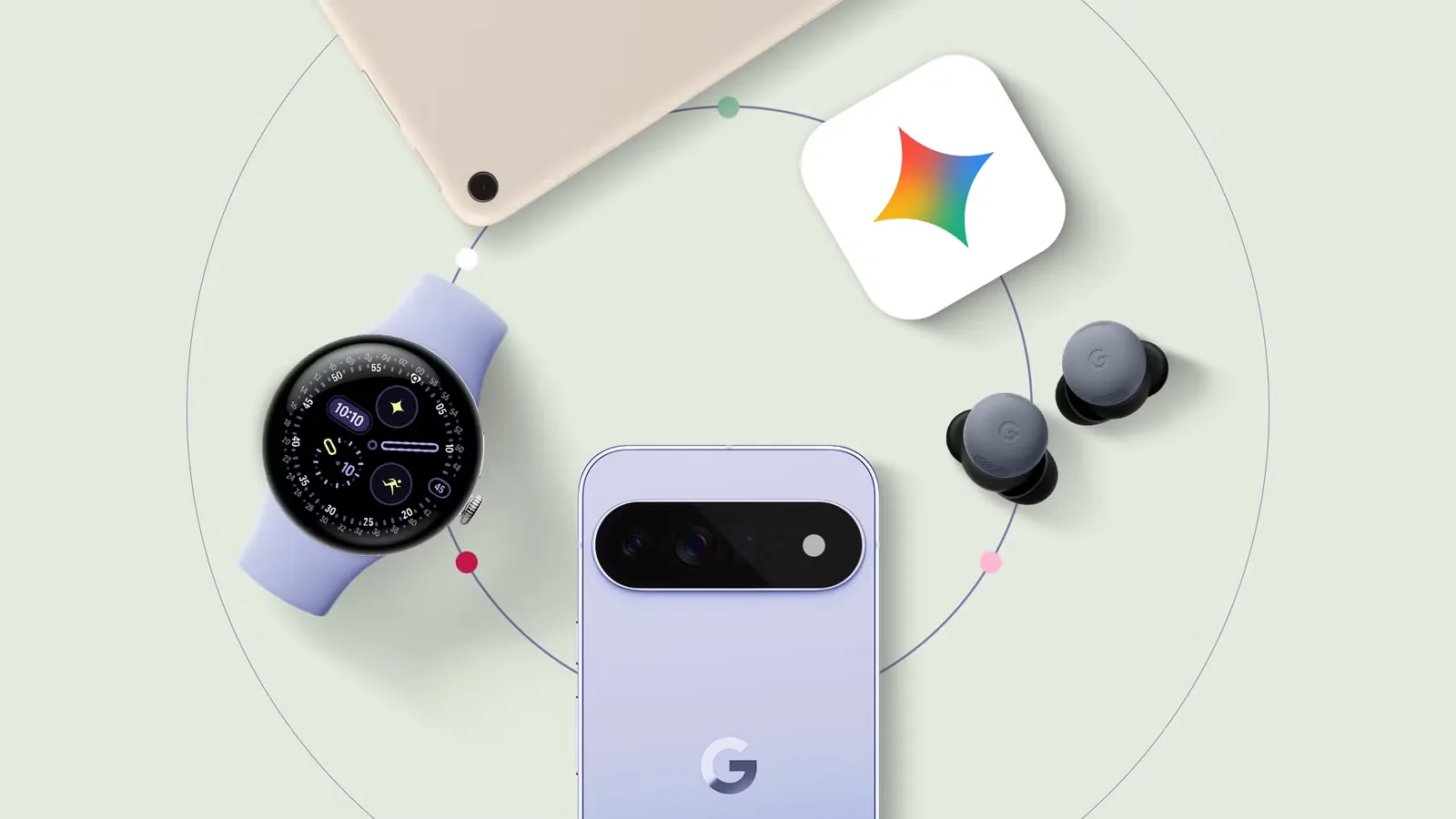
Google's vast ecosystem of connected devices and services presents a potential solution. Instead of relying on temporary subscriptions to services like Google AI Pro or vague Google Store credit, analysts suggest the company could offer compelling hardware bundles. A discounted package including accessories like the Google Pixel Watch 5 or the Google Pixel Buds Pro 2 could significantly enhance the value proposition of the Pixel 11 Pro and Pro XL.
For instance, offering the Pixel Watch 5 for an additional $200 with the Pixel 11 Pro XL, or bundling the Pixel Buds Pro 2 with the Pixel 11 Pro at a minimal or no extra cost, could make the higher price point more palatable. While such a strategy might reduce short-term accessory revenue, it could foster greater long-term customer loyalty and encourage deeper integration into the Google ecosystem. Owning a Pixel Watch, for example, could lead to increased usage of Google Health, Wallet, and Maps, while Pixel Buds owners might be more inclined to utilize services like YouTube Music or advanced Gemini features.
This approach leverages Google's existing strengths to create tangible, everyday benefits for users, potentially proving more effective than ephemeral AI subscriptions or store credit. By making the perceived value of the Pixel 11 Pro and Pro XL demonstrably higher through bundled hardware, Google could mitigate the negative impact of price increases and solidify its position in the competitive smartphone market. The company needs to ensure that the additional cost translates into clear, long-term advantages for consumers, moving beyond incremental hardware upgrades to offer a cohesive and compelling user experience within its expanding Pixel ecosystem.