
Pixel 11 Pro XL Camera Leads Google's Latest Big-Screen Smartphone
Google's new Pixel 11 Pro XL boasts a significant camera upgrade and a larger display. The device integrates advanced AI features, aiming to compete at the high end of the smartphone market.

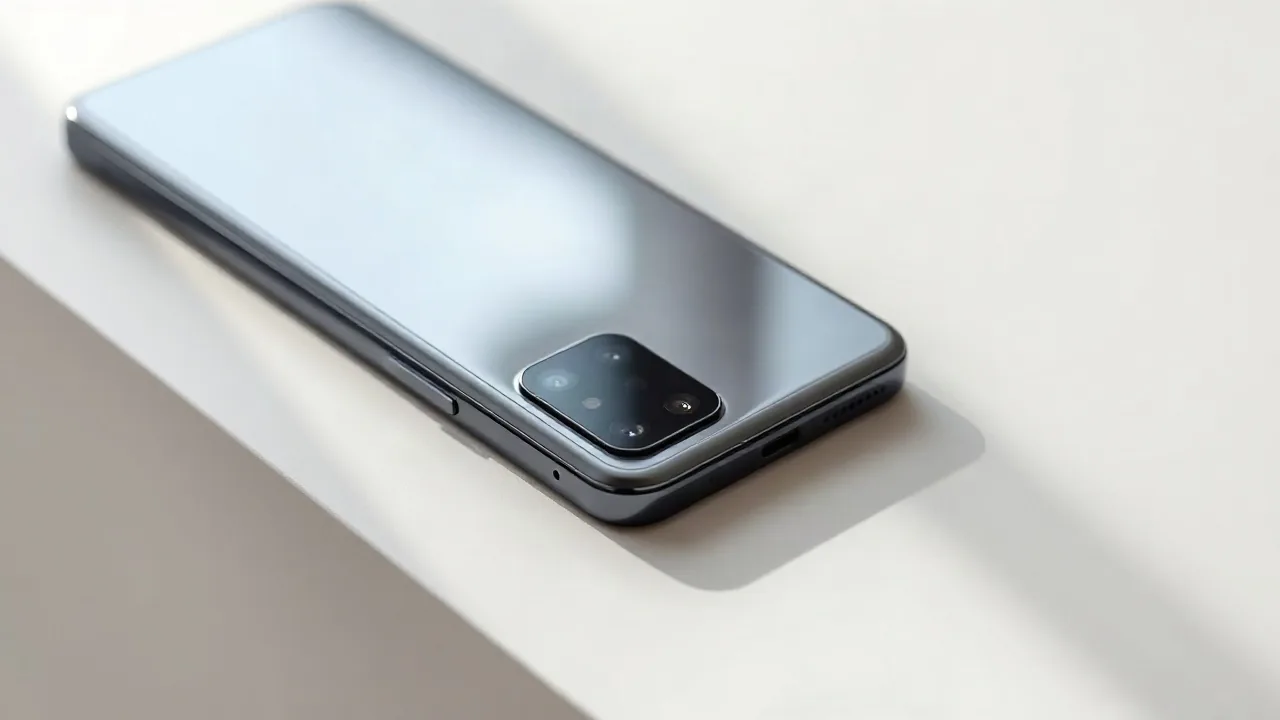
Google has unveiled its latest flagship smartphone, the Pixel 11 Pro XL, featuring a substantial upgrade to its camera system and a larger display designed for enhanced user experience. The device, officially launched on September 21, 2026, aims to solidify Google's position in the competitive premium smartphone sector, emphasizing both hardware prowess and integrated artificial intelligence capabilities.
The Pixel 11 Pro XL arrives with a redesigned camera array, highlighted by a new primary sensor that promises improved low-light performance and detail capture. Early reviews suggest that the computational photography, a hallmark of Pixel devices, has been further refined, offering users professional-grade results with minimal effort. The larger screen size, a key differentiator for the XL model, provides more immersive viewing for media consumption and productivity tasks.
AI Integration and Performance Enhancements
A significant focus for the Pixel 11 Pro XL is the seamless integration of Google's Gemini AI models. These AI capabilities are woven into various aspects of the user experience, from advanced photo editing suggestions to real-time language translation and smarter personal assistant functions. Google claims these AI enhancements not only streamline daily tasks but also unlock new creative possibilities for users.
Under the hood, the device is powered by Google's Tensor G4 chip, an advancement designed to handle complex AI computations more efficiently. This upgrade is expected to deliver smoother performance across applications, improved battery life, and faster processing speeds for machine learning tasks. Google has also emphasized enhancements to the device's cooling system to sustain performance during demanding operations.
The company has highlighted the substantial camera upgrade, noting a "400-frame upgrade" in processing capability, which translates to quicker capture times and more sophisticated image stabilization. This technology is particularly beneficial for capturing action shots and video in challenging lighting conditions. The inclusion of features like Magic Editor, which allows users to move and resize subjects within photos, further underscores Google's commitment to pushing the boundaries of smartphone photography.
In terms of battery life, Google is touting improved longevity for the Pixel 11 Pro XL, attributing it to optimizations in both the hardware and software, including the energy-efficient Tensor G4 chip and AI-driven power management. While specific battery capacity figures were not immediately released, the company assured potential buyers that the device is engineered to last through a full day of heavy usage.
The Pixel 11 Pro XL is positioned as a direct competitor to other high-end smartphones on the market, with its advanced camera and AI features being key selling points. Google's strategy appears to be leaning heavily on its software expertise and AI leadership to differentiate its hardware offerings. The success of this new model will be crucial for Google as it continues to vie for a larger share of the global smartphone market, particularly in the premium segment where brand loyalty and feature innovation are paramount.
Potential buyers are presented with a compelling package that marries a refined hardware design with cutting-edge artificial intelligence. The larger screen and upgraded camera sensors are expected to appeal to photographers and power users alike, while the deeper AI integration aims to make the device more intuitive and useful for a broader audience. The launch marks another significant step for Google in its ongoing evolution as a hardware manufacturer.