
Google Pixel 11 Price Hike Confirmed Amid RAM Crisis
Google confirmed upcoming price increases for its Pixel smartphone line, citing a severe global RAM shortage. The company is also working to make Android more memory-efficient.

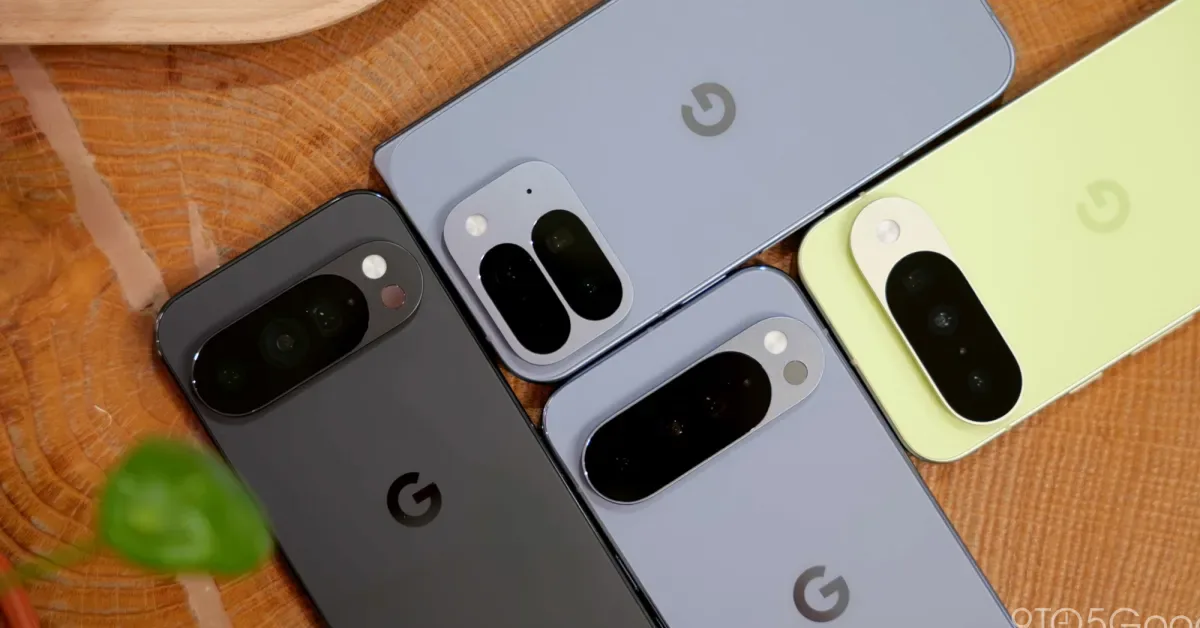
Google has officially confirmed that its upcoming Pixel 11 smartphone series will see a price increase, a move directly attributed to a significant and ongoing global shortage of RAM memory. Shakil Barkat, Google’s Vice President of Devices and Services, spoke about the unprecedented surge in memory costs, noting that the price of 1GB of RAM has risen sixfold since 2025, from $2.80 to $12.
This dramatic escalation in component prices, driven by supply chain pressures, is forcing Google and other consumer technology companies to re-evaluate their product pricing. "There’s never been an increase in memory prices like the world’s going through right now," Barkat stated, referencing data from Morgan Stanley. While Google has endeavored to shield consumers from such fluctuations on existing devices, the fundamental economic shift means the company can no longer absorb these costs entirely.
The price adjustments will affect the entire Pixel family of devices, including the forthcoming Pixel 11. While specific pricing details for the new models will be unveiled on August 12, leaks suggest that the base Pixel 11 Pro may see a reduction in RAM from 16GB to 12GB, and a potential $100 increase in price, partially offset by doubled storage to 256GB. Higher-end models like the Pixel 11 Pro XL and Pixel 11 Pro Fold are also expected to experience a $100 price hike.
Efforts to Mitigate RAM Demands
Beyond adjusting prices to reflect the new economic realities, Google is actively pursuing strategies to reduce the impact of the RAM crisis on its product ecosystem. Barkat highlighted a "dedicated effort" underway to optimize Android and its associated applications to require less memory. The goal is to enable devices to perform optimally with reduced RAM capacity, thereby maintaining a high-quality user experience despite the component shortages.
Google attributes part of its ability to manage these challenges to its integrated approach, combining artificial intelligence, software, and silicon development. This full-stack strategy reportedly allows for efficient loading and execution of on-device AI models, a critical component for modern smartphone functionality. "We are aggressively engineering our way through these challenges," Barkat added, emphasizing Google’s commitment to innovation even amidst supply chain disruptions.
The company reiterated its commitment to providing "premium experiences at an accessible value." Barkat assured that promotions, trade-in offers, and bundled services like Google One will continue to be a key part of making the Pixel 11 lineup accessible to consumers. However, for those considering a purchase in the near term, the current pricing on in-market devices, such as the Pixel 10a, may soon be subject to similar adjustments, making a prompt purchase potentially advisable.