
Google Fitbit Edge: New Health Tracker Features Replaceable Battery
Google has unveiled the Fitbit Edge, its latest fitness tracker. The device boasts advanced health monitoring and a user-replaceable battery, positioning it as a versatile option for health-conscious consumers.

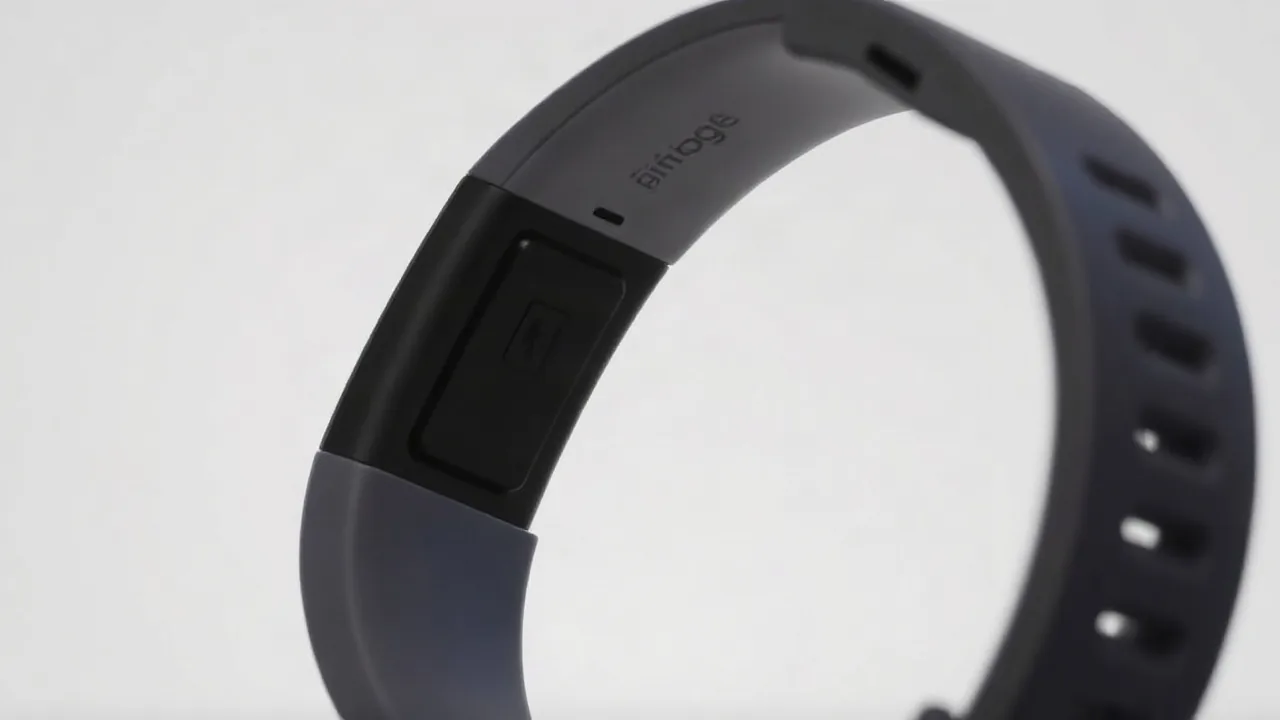
Google has officially launched the Fitbit Edge, its newest fitness tracker designed to bridge the gap between basic wearables and full-fledged smartwatches. The device, announced on October 12, 2026, aims to offer a comprehensive suite of health-tracking capabilities coupled with a practical feature long absent from many modern gadgets: a user-replaceable battery.
The Fitbit Edge introduces several advanced health monitoring tools, including continuous heart rate tracking, blood oxygen (SpO2) monitoring, and detailed sleep analysis. It also incorporates stress management features and workout tracking for over 40 different activities. This marks Google's continued commitment to expanding its health technology portfolio following its acquisition of Fitbit in 2021.
Advanced Health Monitoring Meets User Convenience
A standout feature of the Fitbit Edge is its user-replaceable battery. In an era where many smartwatches and fitness trackers require professional servicing or replacement for battery issues, Google has opted for a design that allows users to swap out the battery themselves. This move is expected to appeal to consumers looking for greater longevity and sustainability in their wearable devices. The device is priced at $180, positioning it as a mid-tier option in the competitive wearable market.
"We're excited to introduce the Fitbit Edge, a tracker that embodies our vision for a more integrated and user-centric approach to health and wellness," said a Google spokesperson in a press release. "The inclusion of a replaceable battery is a direct response to user feedback, prioritizing durability and long-term value." This feature could potentially set a new standard for the industry, encouraging a more repairable and sustainable design philosophy.
The Edge is designed to be a comfortable and unobtrusive companion for daily wear. Its sleek profile and lightweight construction are intended to make it suitable for 24/7 monitoring, from workouts to sleep. The device syncs seamlessly with the Fitbit app, providing users with in-depth data visualizations and personalized insights into their health trends. The app offers long-term tracking, allowing users to monitor progress and set personal health goals over time.
In terms of connectivity, the Fitbit Edge includes Bluetooth for syncing with smartphones and other devices. While it does not feature a cellular connection like some smartwatches, its focus remains on delivering robust health and fitness tracking. This approach places the Fitbit Edge in a unique market position, appealing to those who prioritize health data without the complexity or cost of a full smartwatch, but desire more than a basic fitness band.
The launch of the Fitbit Edge is part of Google's broader strategy to consolidate its presence in the health technology sector. By leveraging the established Fitbit brand and integrating its features with Google's ecosystem, the company aims to capture a larger share of the growing wearables market. The device is expected to compete with offerings from Apple, Samsung, and Garmin, differentiating itself through its emphasis on user-serviceability and comprehensive health metrics.
Analysts suggest that Google's decision to include a replaceable battery could be a significant differentiator. "Consumers are increasingly aware of the environmental impact of electronics and the limited lifespan of devices with non-replaceable batteries," noted industry analyst Sarah Chen. "Offering a repairable option like the Fitbit Edge taps into a growing demand for sustainable technology." The Google-owned company continues to innovate in the health tracker space.