
Fitbit Edge Tracker: Google's New Mid-Range Wearable Device
Google has unveiled the Fitbit Edge, a new fitness tracker positioned between its flagship Pixel Watch and the upcoming Fitbit Air. Priced at $180, it offers a replaceable battery and a built-in screen.

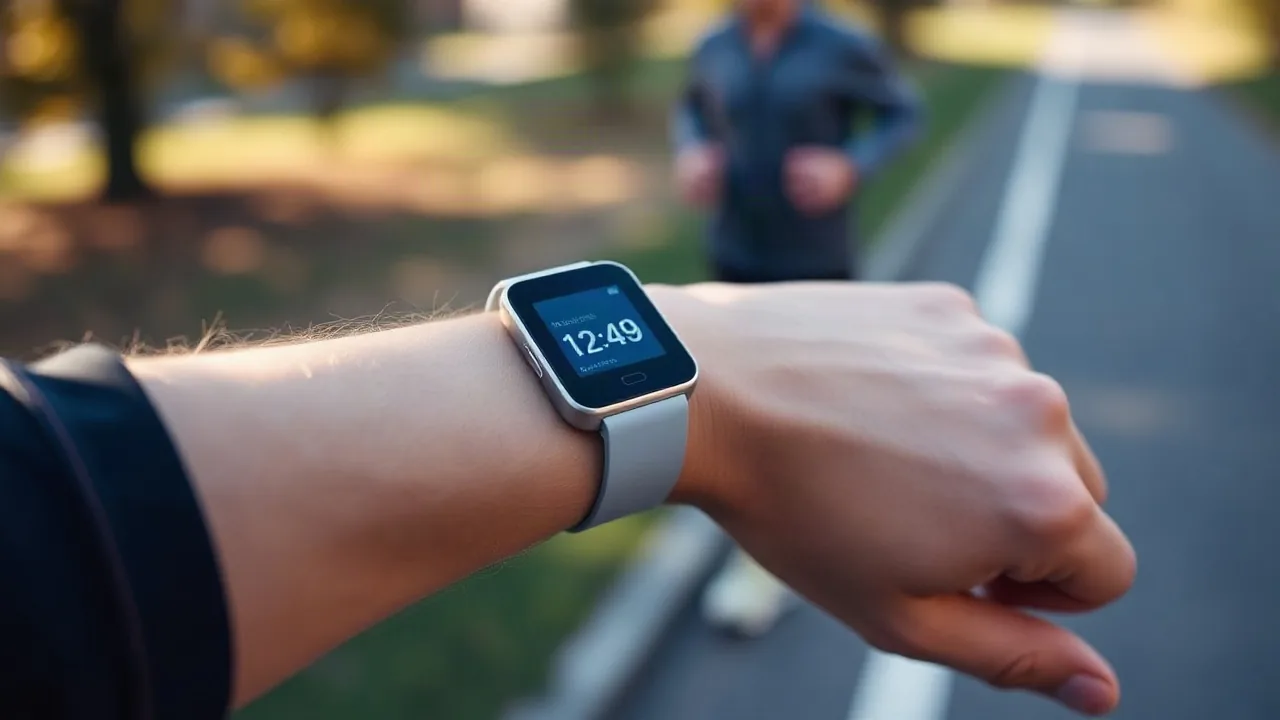
Google officially announced the Fitbit Edge on October 12, 2026, introducing a new wearable device aimed at users seeking a balance between advanced smartwatch features and dedicated fitness tracking. The Edge is positioned to bridge the gap between the premium Pixel Watch 5 and the more streamlined Fitbit Air, offering a compelling option for consumers in the competitive wearables market. Priced at $180, the device emphasizes core fitness metrics while incorporating some smartwatch functionalities.
The Fitbit Edge distinguishes itself with a user-replaceable battery, a feature notably absent in many recent smartwatches and fitness trackers. This design choice addresses a common consumer pain point, allowing for extended use without being tethered to a charging cable for prolonged periods. Furthermore, the device boasts a built-in screen, providing users with real-time data and notifications directly on their wrist, a significant upgrade from screen-less trackers.
Key Features and Target Audience
According to Google's product announcements, the Fitbit Edge is engineered for individuals who prioritize comprehensive health and activity monitoring but may not require the full suite of applications and connectivity offered by a traditional smartwatch. Its feature set includes advanced heart rate monitoring, sleep tracking, and a variety of workout modes. The inclusion of GPS allows for accurate tracking of outdoor activities like running and cycling without needing a smartphone.
"The Fitbit Edge represents our commitment to providing accessible and powerful health technology to a wider audience," said a Google spokesperson during the launch event. "We listened to feedback and focused on delivering a device that offers essential smart features and robust fitness tracking with the added convenience of a replaceable battery."
Industry analysts suggest that the $180 price point makes the Fitbit Edge a direct competitor to other mid-range fitness trackers and some entry-level smartwatches. Its appeal lies in the brand recognition of Fitbit, now under the Google umbrella, combined with practical hardware innovations. The device also supports continuous heart rate monitoring and blood oxygen (SpO2) tracking, offering users deeper insights into their cardiovascular health and recovery.
The rollout of the Fitbit Edge is part of Google's broader strategy to expand its presence in the health and wellness technology sector. By integrating Fitbit's established expertise with its own hardware and software capabilities, Google aims to create a unified ecosystem of devices and services. The introduction of the Edge signals a continued focus on catering to diverse user needs within the wearables market, from dedicated athletes to casual users interested in maintaining a healthier lifestyle.
The device is expected to integrate seamlessly with the Fitbit app, allowing users to view detailed health trends, set goals, and participate in community challenges. This ecosystem approach is crucial for user retention and provides ongoing value beyond the initial hardware purchase. The competitive landscape for fitness trackers and smartwatches remains intense, with major players constantly innovating to capture market share. Google's strategy with the Fitbit Edge appears to be a calculated move to secure a significant portion of the mid-tier segment by offering a blend of functionality, convenience, and value.