
Earbuds Evolve: New Designs Challenge Traditional Headphones
Innovative new earbud designs are merging features traditionally found in headphones, offering enhanced audio quality and comfort. This evolution could redefine personal listening devices.

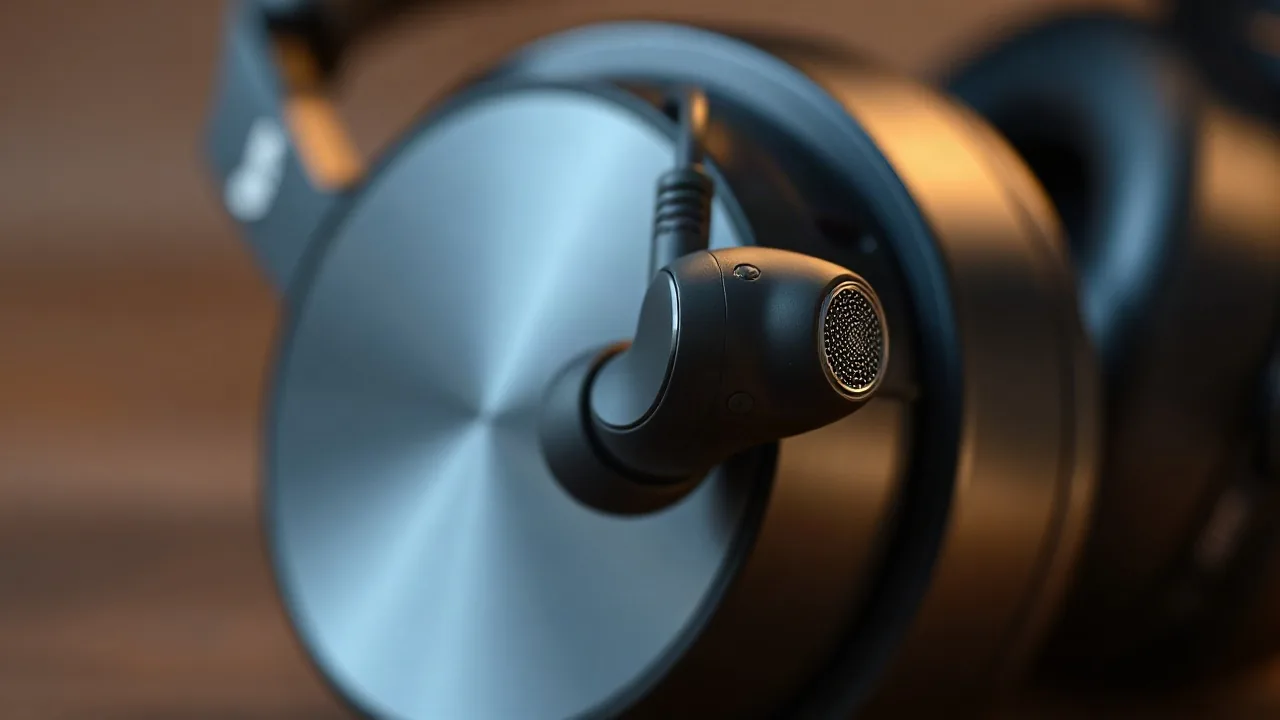
The distinction between high-end earbuds and traditional over-ear or on-ear headphones is rapidly diminishing, thanks to advancements in audio technology and ergonomic design. Manufacturers are introducing new form factors and incorporating features that previously belonged exclusively to larger audio devices, promising a richer and more immersive personal listening experience.
Historically, headphones have held the advantage in delivering superior sound quality, deeper bass, and better noise isolation due to their larger drivers and the physical seal they create around the ears. Earbuds, while offering portability and convenience, often compromised on audio fidelity and comfort for extended listening sessions. However, this paradigm is shifting. Companies are now integrating larger, more sophisticated audio drivers into compact earbud designs, alongside advanced acoustic chamber engineering to mimic the soundstage of headphones.
One significant area of innovation is in the development of new materials and fitting mechanisms. Beyond the standard silicone tips, manufacturers are exploring custom-molded options and innovative ear-fin designs that provide a more secure and comfortable fit for longer periods. This focus on ergonomics aims to overcome the discomfort issues that have plagued many users of traditional earbuds, making them a viable alternative for audiophiles and casual listeners alike who previously relied on headphones for extended use.
Advancements in Audio and Noise Cancellation
The integration of advanced acoustic technologies is a key driver in this evolution. Features like active noise cancellation (ANC) are becoming more potent and effective in earbuds, offering a level of quietude that rivals even premium headphones. Furthermore, advancements in digital signal processing (DSP) allow earbuds to emulate spatial audio and 3D soundscapes, providing a more enveloping listening experience. These improvements mean users can now enjoy a cinematic audio experience on the go without the bulk of headphones.
For instance, new earbuds are incorporating multi-driver configurations within each unit, much like high-fidelity headphones. These drivers are specialized for different frequencies – tweeters for high notes, woofers for bass – allowing for a more balanced and detailed sound profile. Coupled with sophisticated acoustic ports and internal venting, these designs aim to deliver the sonic richness and dynamic range previously unattainable in such small devices.
The impact of these advancements extends to usability and integration. Smart features, including seamless device switching, advanced voice assistant integration, and customizable EQ settings via companion apps, are becoming standard. This holistic approach to personal audio suggests a future where the choice between earbuds and headphones is less about compromise and more about personal preference for form factor, with performance becoming increasingly comparable across both categories.
This trend is not just about making earbuds sound better; it's about rethinking the entire concept of personal audio. As more consumers seek convenience without sacrificing quality, the market is responding with products that bridge the gap. The result is a more versatile range of audio devices catering to a wider array of needs, from the gym-goer needing a secure fit and sweat resistance to the remote worker requiring top-tier noise cancellation for conference calls and immersive audio for focused work.