
Carson Beck's Tech Gear for Peak Athletic Training
NFL quarterback Carson Beck relies on advanced wearables, recovery devices, and performance analytics to optimize training and stay competitive in 2026. Discover the hardware fueling his preparation.

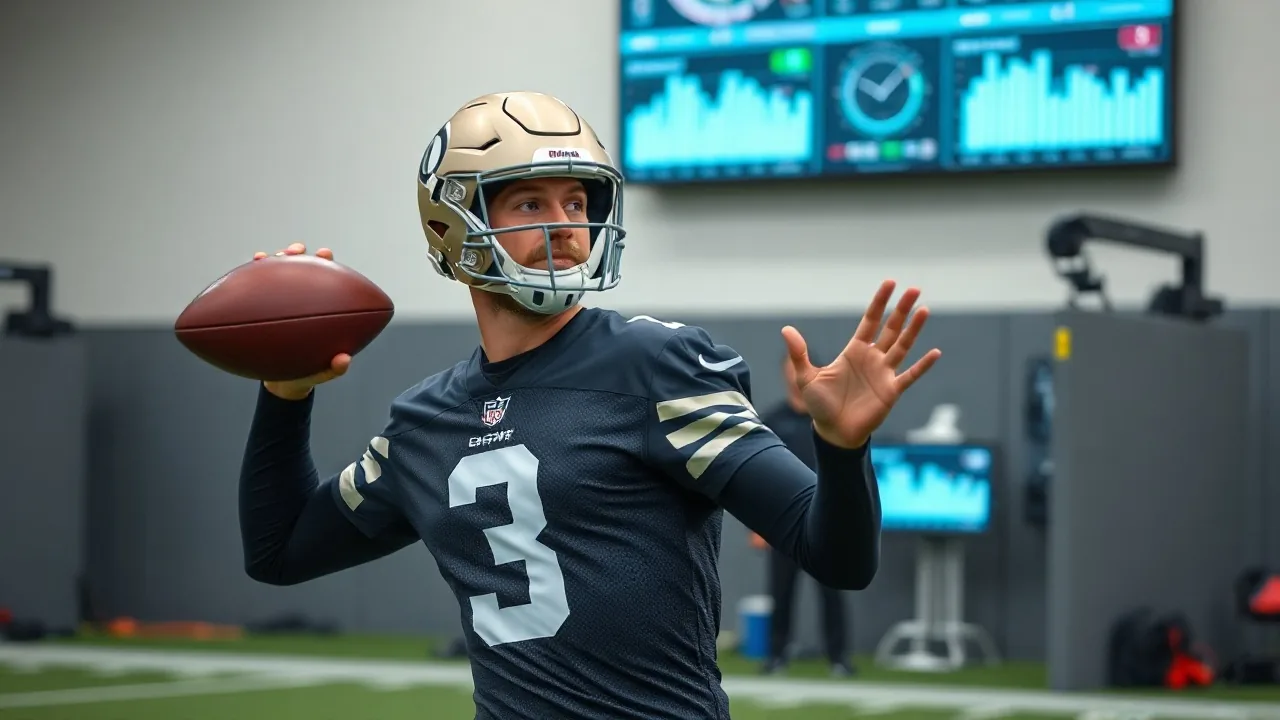
Carson Beck, the quarterback now competing in professional football, has built a comprehensive training arsenal centered on cutting-edge hardware and gadgets designed to track, analyze, and accelerate athletic performance. In 2026, his regimen combines real-time biometric monitoring, recovery technology, and precision analytics tools that have become standard among elite athletes pushing the boundaries of competitive sport.
Beck's approach to athletic performance reflects a broader shift in professional sports. Teams and individual athletes now invest heavily in wearable technology that captures data once available only in laboratory settings. This shift has democratized access to coaching insights previously reserved for elite training facilities.
Wearables and Real-Time Monitoring
At the core of Beck's training setup are advanced wearable devices that monitor heart rate variability, sleep quality, muscle strain, and recovery metrics throughout the day. These systems provide immediate feedback that informs daily training intensity and recovery protocols.
Beck uses multiple monitoring platforms simultaneously. Devices track lactate threshold during high-intensity drills, measure acceleration and deceleration patterns during footwork sessions, and log cumulative fatigue across practice weeks. This granular data helps coaching staff adjust workload in real time, reducing injury risk while maximizing output.
"The integration of wearables has fundamentally changed how we understand athlete readiness," says Dr. Marcus Chen, a sports performance scientist who consults with NFL teams. "What we can measure today in milliseconds would have required weeks of laboratory testing a decade ago."
One particularly valuable tool in Beck's setup measures electrocardiogram data to assess cardiac strain and recovery. This technology alerts trainers when the body needs additional rest or when an athlete can safely push harder. The device syncs wirelessly to a central analytics platform reviewed daily by the strength and conditioning staff.
Recovery and Regeneration Hardware
Beyond monitoring, Beck's recovery toolkit includes several specialized devices aimed at accelerating muscle repair and reducing inflammation after demanding practice sessions.
- Pneumatic compression sleeves that apply sequential pressure to legs and arms, flushing metabolic waste and accelerating blood flow
- Cryotherapy chambers operating at negative 200 degrees Fahrenheit for targeted cold exposure
- Percussive massage devices with variable frequency settings for deep tissue stimulation
- Hyperbaric oxygen chambers for enhanced cellular oxygen saturation
These devices are deployed strategically throughout Beck's weekly schedule. Immediately after high-velocity throwing sessions, compression therapy targets the shoulder and rotator cuff. Following explosive footwork drills, cryotherapy reduces systemic inflammation. Recovery hardware is not glamorous, but the cumulative effect of proper regeneration shapes competitive readiness.
Beck rotates through recovery modalities based on specific training blocks. During periods emphasizing speed and power, he prioritizes percussive therapy and compression to support neuromuscular adaptation. During longer conditioning phases, hyperbaric exposure supports aerobic system development.
Performance Analytics and Video Integration
Raw hardware generates data, but analysis transforms data into actionable coaching decisions. Beck's training facility uses integrated video capture systems that sync motion data with sports technology platforms in real time.
High-speed cameras operating at 4,000 frames per second capture throwing mechanics from multiple angles. Artificial intelligence-powered analysis overlays biomechanical targets learned from film study, flagging deviations in real time. This allows quarterbacks to self-correct during drills rather than waiting for post-practice review.
Positional data from yard markings and GPS units plots QB movement patterns during scrimmage work. The system tracks foot placement, decision windows, and release timing relative to receiver routes. This objective feedback supplements coaching observation and video review.
"Modern quarterback development depends on this layer of quantified feedback," explains Coach James Rodriguez, a former NFL quarterbacks coach now consulting with professional teams. "Beck can see exactly how his foot position affected release angle on 300 consecutive throws. That volume of specific feedback would take a coach weeks to manually review."
Beck also uses augmented reality visualization tools that project defensive looks and coverage shells onto his field of view during training. This hardware-software combination allows him to rehearse decision-making in controlled conditions that closely mimic game pressure.
Sleep and Cognitive Optimization
Elite athletic performance extends beyond physical training. Beck's technology suite includes devices monitoring sleep architecture and cognitive function. Sleep tracking hardware measures time in deep sleep and REM phases, detecting when recovery is genuinely restorative versus merely time spent in bed.
During the competitive season, suboptimal sleep significantly degrades decision-making speed and accuracy for quarterbacks. Beck's system alerts trainers when he falls below threshold sleep quality for more than two consecutive nights, triggering protocol adjustments like earlier practice end times or additional recovery sessions.
Cognitive performance tools measure reaction time, working memory capacity, and sustained attention through interactive training modules. These assessments flag mental fatigue before it impacts on-field performance. Combined with sleep data and training load metrics, they provide a holistic view of readiness.
The integration of monitoring gadgets across sleep, recovery, and cognition represents the current frontier in professional sports preparation. Beck's comprehensive approach demonstrates how tech gear has evolved from novelty add-ons to foundational components of competitive training. As technology accessibility increases and costs decline, this level of personalized performance optimization will likely become standard across competitive sports by the end of the decade.