
ASUS Cancels RTX 5090 Orders, Raises Price to $5,090
ASUS reportedly canceled a customer's $4,607 order for an RTX 5090 GPU, only to relist it at a higher price of $5,090. NVIDIA intervened but ASUS refused to honor the original purchase.

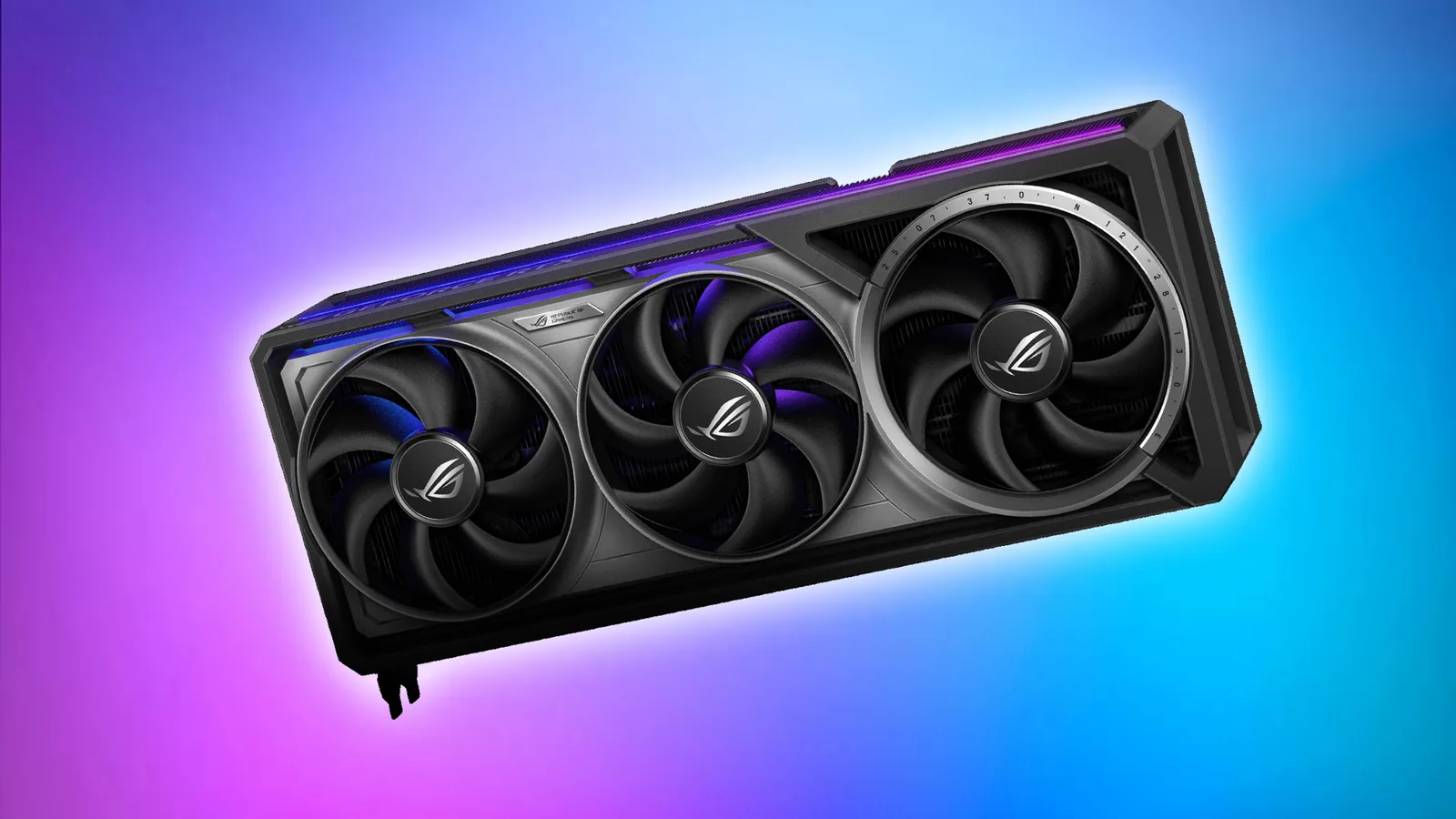
A customer's order for the highly anticipated ASUS ROG Astral RTX 5090 graphics card was reportedly canceled by ASUS after payment, with the vendor subsequently raising the price significantly. The user, identified as u/IndependentOk1031 on Reddit, shared their experience of purchasing the GPU for approximately $4,607, including taxes, from NVIDIA's official marketplace. The card was initially listed for $4,429.
Shortly after the transaction, ASUS canceled the order, citing an inability to fulfill it at the previously agreed-upon rate. The graphics card was then relisted on the marketplace for $4,982, bringing the total cost, after taxes, to around $5,090 – a substantial increase of nearly $500.
The user sought clarification from NVIDIA, which reportedly urged ASUS to honor the original purchase agreement. However, ASUS allegedly refused to comply, leaving the customer with the option to repurchase the GPU at the inflated price or forfeit the purchase entirely. This incident highlights a growing concern among consumers regarding price volatility and order fulfillment practices in the high-end graphics card market.
Market Trends and Consumer Frustration
The high cost of the RTX 5090, even at its original price point, is considerably higher than the Founders Edition's $1,999 MSRP. Custom variants, like the ASUS ROG Astral, often command premium prices, especially in the current market. Industry analysts attribute these elevated prices, in part, to recent supply chain disruptions and increased demand, a phenomenon sometimes referred to as the "RAMpocalypse," which has driven up the cost of essential GPU components.
This situation is not unique to ASUS. Reports suggest that other manufacturers, such as Gigabyte, have also engaged in similar practices, increasing prices by as much as 40% and leading to order cancellations by retailers. The lack of guaranteed order fulfillment, even after a premium has been paid, is fostering significant frustration among PC builders and gamers who are already investing heavily in the latest hardware.
Industry observers note that such practices can erode consumer trust and damage brand reputation. While manufacturers may cite market fluctuations and component costs as reasons for price adjustments, the refusal to honor confirmed purchases, especially at prices already well above MSRP, is seen by many as a breach of consumer protection principles. The ongoing challenges in securing high-end GPUs suggest that consumers may continue to face such issues in the near future, making it crucial for buyers to stay informed about vendor policies and market conditions.