
Apple Watch Series 12, Ultra 4: Minor Upgrades Expected This Year
Apple's next-generation smartwatches, the Series 12 and Ultra 4, are unlikely to feature significant design overhauls, according to a new report. Expect incremental performance boosts and health tracking enhancements.

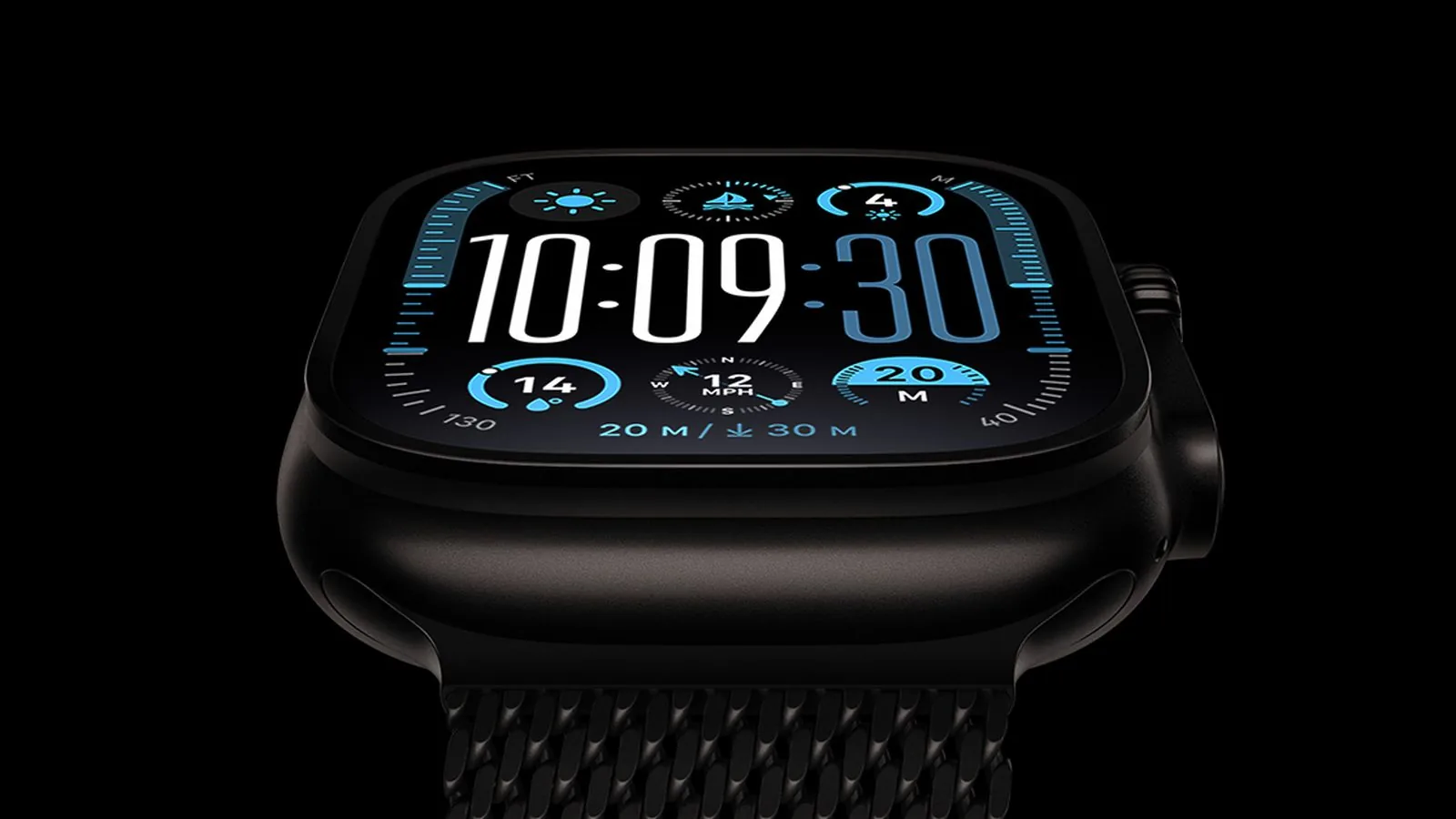
This year's upcoming Apple Watch models, the Series 12 and Ultra 4, are poised for only minor updates, with no major design changes anticipated compared to their predecessors. Mark Gurman of Bloomberg reported that while faster performance and subtle improvements to health and fitness tracking are expected, significant overhauls are likely at least another year or two away.
The current Series 11 and Ultra 3 models both utilize the S10 chip, which was first introduced with the Series 10 and Ultra 2. The anticipated S11 chip, or a newer iteration, is expected to deliver the first notable performance boost for the Apple Watch line in several years. However, rumored features like the integration of Touch ID or advanced health sensors embedded in the watch band are not expected to materialize in the Series 12 or Ultra 4.
Anticipating Future Innovations
While the immediate future of the Apple Watch may seem subdued in terms of new features, Apple is reportedly investing heavily in longer-term innovations. Development continues on a highly anticipated blood sugar detection feature, with a target release date of around 2030. This ambitious project, if successful, would represent a significant leap forward in wearable health technology.
Furthermore, the report indicated that an Apple Watch SE 4 model will not be released this year, suggesting a strategic focus on the flagship Series and Ultra lines for the current product cycle. The omission of a new SE model could mean that existing SE users will need to wait longer for substantial upgrades.
The Apple Watch has consistently been a leader in the smartwatch market, blending sophisticated design with advanced health monitoring capabilities. Past iterations have introduced features like ECG readings, fall detection, and blood oxygen monitoring, setting industry benchmarks. The incremental updates expected for the Series 12 and Ultra 4 suggest a strategy of refining existing technologies and enhancing user experience through improved processing power and software optimizations, rather than a complete redesign.
Industry analysts note that such iterative updates are common for established product lines, allowing companies to focus resources on groundbreaking future technologies. The delay in major design changes could also be attributed to the complexities of integrating new sensor technologies and ensuring robust battery life, critical factors for user satisfaction with a daily-wear device.
The focus on health tracking, even with minor improvements, aligns with Apple's ongoing commitment to the health and wellness sector. Continued advancements in this area could solidify the Apple Watch's position not just as a communication and fitness device, but as an indispensable personal health companion. The eventual introduction of non-invasive blood glucose monitoring would be a landmark achievement, potentially revolutionizing diabetes management for millions worldwide.