Flock Camera Hack Exposes Data Collection Methods
Hackers gained access to Flock Safety's license plate reader camera system, obtaining internal data that reveals how the company collects and processes information on vehicles and individuals. The breach highlights vulnerabilities in the surveillance technology.

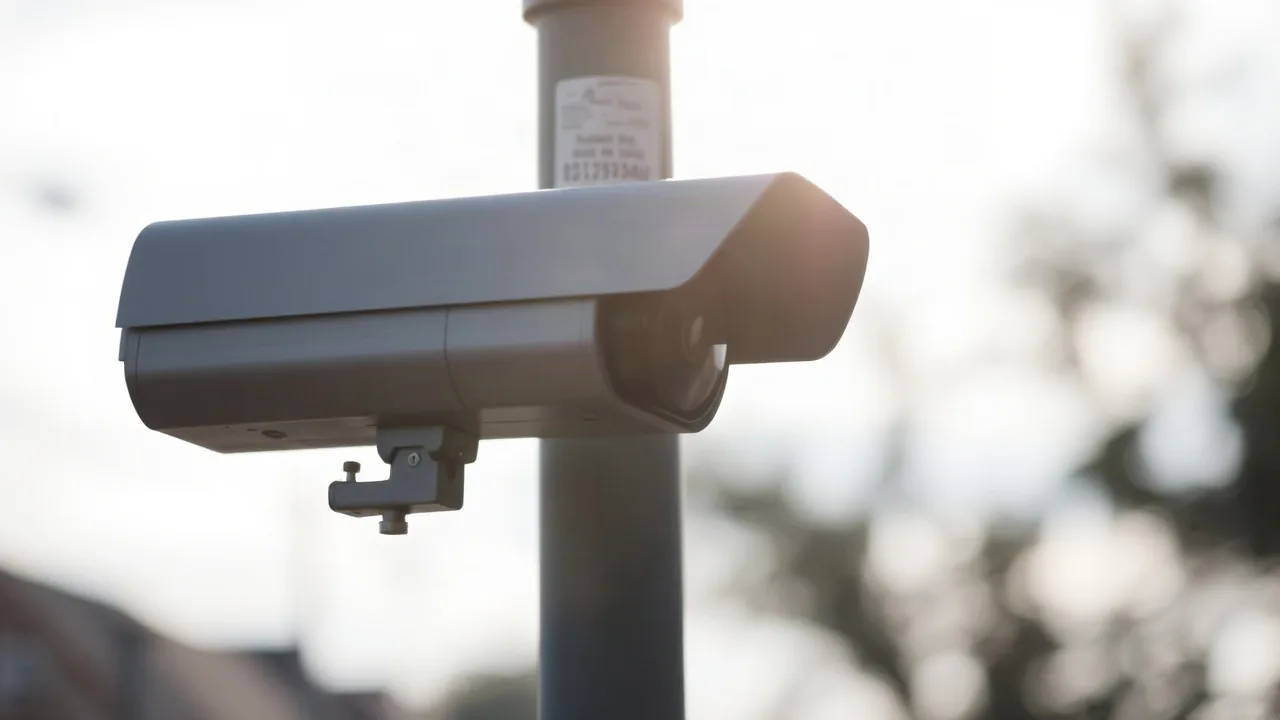
A group of hackers has successfully breached the security of Flock Safety, a company that provides automated license plate reader (ALPR) cameras to law enforcement and community groups across the United States. The intrusion reportedly allowed the hackers to access a trove of internal data, including images and operational details, shedding light on how Flock's sophisticated surveillance system functions and collects information on vehicles and potentially people.
The breach, first reported by WIRED and 404 Media, involved gaining unauthorized access to Flock's internal systems. While the full extent of the data compromised is still being assessed, initial findings suggest that millions of images captured by the cameras, as well as insights into the company's data handling practices, were exposed. Flock Safety has been a prominent provider of ALPR technology, marketing its cameras as a tool to enhance public safety by identifying vehicles associated with crimes.
Security Concerns and System Functionality
Flock Safety's cameras are designed to capture images of passing vehicles and read their license plates. This data is then uploaded to a cloud-based platform where it can be accessed by authorized users, typically police departments or neighborhood watch programs. The system aims to help investigators track down suspects' vehicles, recover stolen cars, and monitor traffic patterns. However, the recent hack raises significant questions about the security measures in place to protect the vast amounts of sensitive data these cameras collect.
According to reports, the hackers were able to exfiltrate approximately 1.6 million images from one of the compromised systems. This data reportedly includes not only license plates but also details about the vehicles themselves, such as make, model, and color, and in some instances, images that could identify occupants. The exposure of such detailed information raises privacy concerns for the general public, even those not suspected of any wrongdoing.
A representative from Flock Safety stated, "We are actively investigating an incident involving unauthorized access to our systems. We are working diligently to understand the scope of the issue and are implementing enhanced security measures to prevent future occurrences." The company emphasized that the accessed data was primarily related to vehicle sightings and that efforts were underway to notify affected customers and relevant authorities.
This incident underscores a broader debate surrounding the use of surveillance technology by both government agencies and private entities. While proponents argue that tools like ALPRs are essential for modern law enforcement and crime prevention, critics point to the potential for misuse, mass surveillance, and data breaches. The ability of hackers to penetrate Flock's systems suggests that the infrastructure supporting these powerful observation tools may be more vulnerable than previously assumed.
The data obtained by the hackers also reportedly offers an inside look into Flock's data processing and analysis methods. This could include information on how the company uses algorithms to interpret captured images, tag vehicles, and build databases of movement patterns. Such insights are invaluable to understanding the capabilities and limitations of automated surveillance systems and their potential impact on civil liberties.
As investigations continue, the Flock camera hack serves as a stark reminder of the critical need for robust cybersecurity in the rapidly expanding field of public and private surveillance. The incident prompts a re-evaluation of the security protocols and data protection strategies employed by companies like Flock Safety, which hold sensitive information on millions of Americans and their movements.