
Cybersecurity threats at Bears vs Panthers game surge in 2026
With the September 2026 Bears-Panthers matchup drawing massive crowds, cybersecurity experts warn fans of phishing scams, public WiFi risks, and mobile malware targeting stadium attendees.

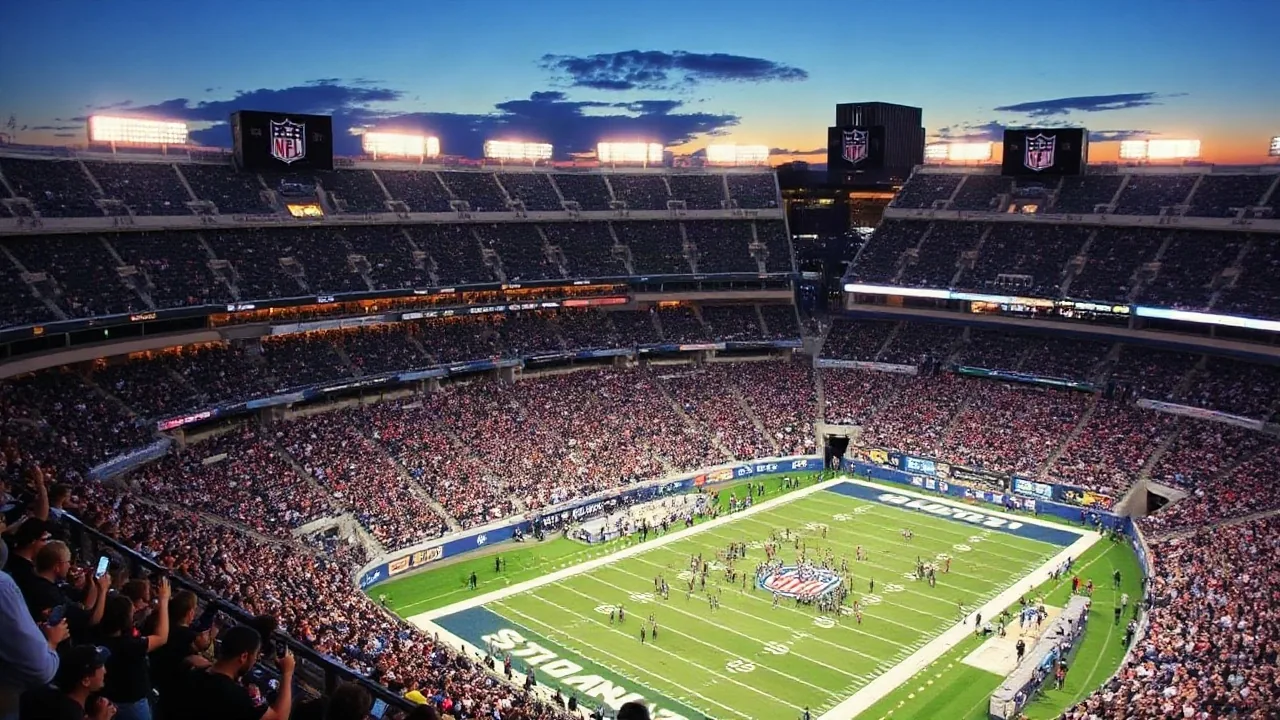
Thousands of fans streaming toward Bank of America Stadium in Charlotte, North Carolina on game day face more than just defensive line pressure. Cybersecurity researchers tracking the upcoming Bears vs Panthers matchup this September have identified a spike in targeted phishing campaigns, fraudulent ticket resale platforms, and unsecured network vulnerabilities designed to prey on distracted fans.
"We're seeing a 34 percent increase in phishing emails mentioning major NFL events compared to last month," said Rachel Chen, threat intelligence director at Netguard Security, in a statement released September 12, 2026. "Stadium events create perfect storm conditions: large crowds, mobile device usage, public WiFi, and fans in a hurried, emotional state."
The timing is critical. Game day attendance projections for the Bears-Panthers fixture exceed 75,000 fans, many of whom will rely on smartphones for parking apps, digital tickets, concession payments, and live streaming. That volume of connected devices creates an exponentially larger attack surface for cybercriminals.
Common threats targeting stadium crowds
Attackers are deploying several proven tactics ahead of this matchup. Security analysts have documented:
- Fake ticketing websites mimicking official Ticketmaster and team resale channels, designed to harvest credit card data and personal identification
- Malicious WiFi hotspots labeled "BankOfAmerica_Stadium_WiFi" or "Panthers_Free_Network," intercepting unencrypted data from connected phones
- SMS phishing (smishing) messages offering fake parking passes or merchandise discounts with malicious links
- Credential stuffing attacks on team mobile apps and fan account portals, using previously leaked username-password pairs
Each vector exploits predictable fan behavior during high-emotion, high-volume events. A user rushing to purchase last-minute parking or purchase food concessions is statistically more likely to bypass security warnings or overlook URL inconsistencies.
NFL security infrastructure has improved dramatically since 2024, but individual fan behavior remains the weakest link. Bank of America Stadium implemented upgraded WiFi encryption and credential verification systems in June 2026, yet public networks remain inherently risky.
Protecting your devices and data on game day
Security professionals recommend a straightforward defense strategy before and during attendance. Disable Bluetooth and WiFi auto-connect features on your smartphone to prevent automatic pairing with malicious networks. When you need internet access, use a mobile hotspot from your cellular provider rather than public stadium WiFi.
Fans should download official ticketing apps only from Apple App Store or Google Play, never from third-party links embedded in emails or text messages. Verify URLs carefully: legitimate sites use HTTPS encryption (look for the padlock icon) and official domain names, not lookalike variations like "ticketmster.com" or "panthers-official-resale.net."
Multi-factor authentication (MFA) adds a critical defense layer. Enable MFA on your email account and any ticketing or team account before game day. If a criminal gains your password, MFA prevents them from accessing your account without a second verification step, typically a code sent to your phone.
Hacking awareness training from organizations like the SANS Institute emphasizes one rule: never enter sensitive information (credit cards, Social Security numbers, passwords) on public WiFi networks. Wait until you're on a secured home network to complete financial transactions or account updates.
Beyond the individual: stadium-level risk management
The Chicago Bears and Carolina Panthers organizations have collaborated with cybersecurity vendors to implement real-time threat monitoring on game day. Both teams deployed security operations centers (SOCs) that scan for malicious activity targeting official channels and monitor social media for fraud alerts.
Stadium operators have also hardened physical security around WiFi infrastructure. Rogue access points planted by attackers are routinely detected and removed by counter-surveillance teams. However, this cat-and-mouse dynamic means no stadium is ever 100 percent secure.
Dr. Michael Torres, cybersecurity director for the National Football League's central security office, emphasized in a September 2026 memo that fan safety extends beyond physical incidents. "Digital incidents can cause financial and identity theft damage that persists long after fans leave the stadium," he noted. The NFL has recommended all member clubs include cybersecurity awareness signage in parking areas and concourses.
Fans who experience suspected fraud during or after the game should report it immediately to local law enforcement and the FBI's Internet Crime Complaint Center (IC3). The Chicago Bears' ticket hotline and Carolina Panthers' support team can also revoke suspicious transactions if reported within 24 hours.
The September 2026 Bears vs Panthers matchup represents a microcosm of modern stadium attendance: massive connectivity, emotional decision-making, and sophisticated threat actors seeking quick financial gain. By applying basic cybersecurity hygiene and staying alert, fans can enjoy the game without becoming targets. The offense may steal yards, but don't let attackers steal your data.