
Oregon Coast Sea Stars See 'Baby Boom' After Major Die-Off
After a devastating die-off linked to disease, sea star populations along the Oregon coast are experiencing an unexpected surge in new life, offering a hopeful sign for the marine ecosystem.

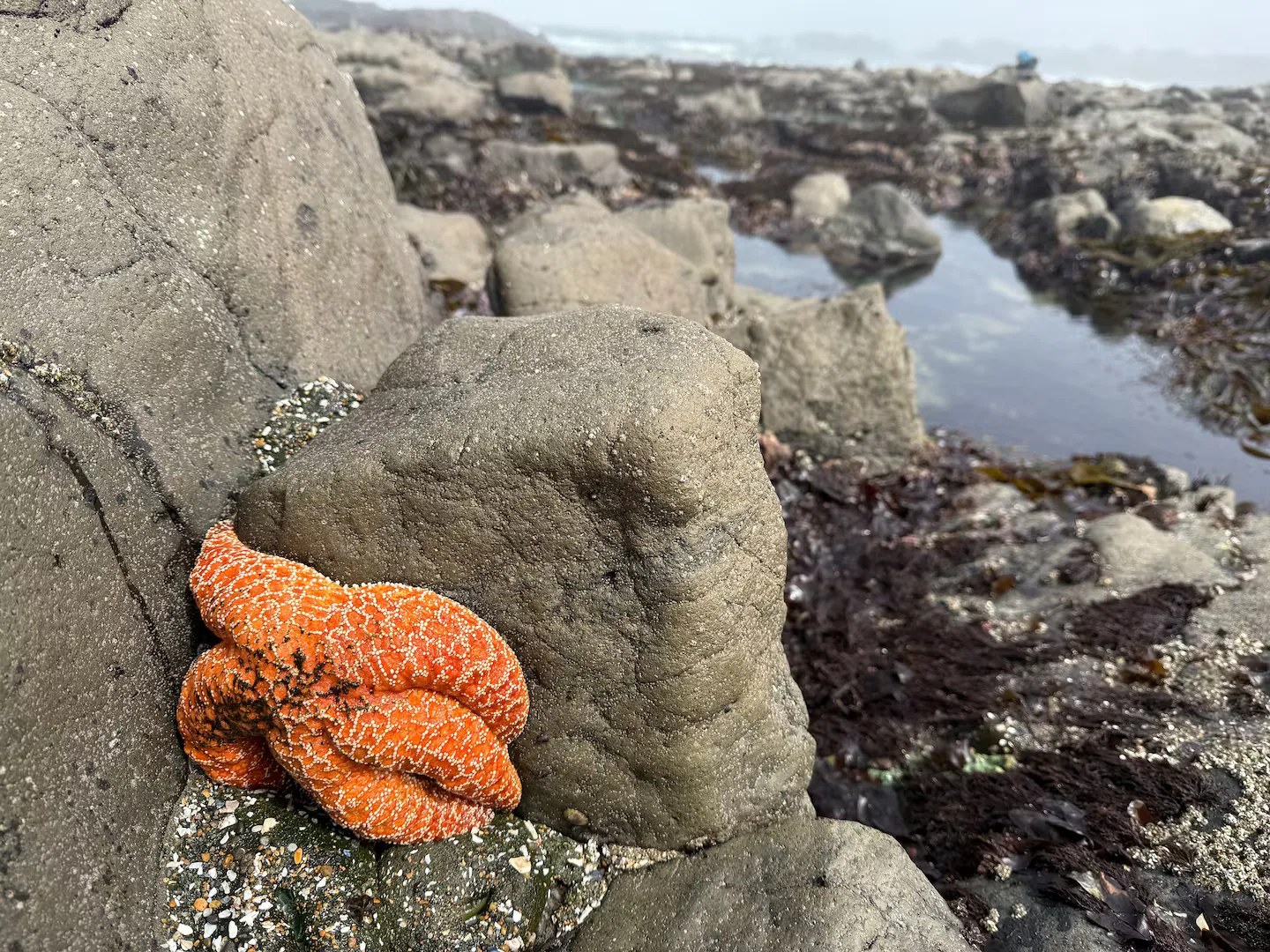
YACHATS, Ore. — Marine biologist Bruce Menge, who has dedicated his career to studying sea stars since the 1970s, is witnessing a remarkable resurgence of the iconic West Coast echinoderms. Following a devastating pandemic that led to massive die-offs, populations along the Oregon coast are now experiencing what he describes as a surprising ‘baby boom,’ offering a glimmer of hope for the region’s intertidal ecosystems.
Menge, a professor at Oregon State University and lead scientist at the Hatfield Marine Science Center, has observed sea stars for decades. These resilient creatures, once thought to be a stable presence in the ocean due to their lack of natural predators and ability to regenerate limbs, were decimated by a mysterious wasting disease that swept the Pacific coast starting in 2013. This disease caused lesions, loss of limbs, and eventual death in an estimated 90% of the affected sea star populations in some areas.
The recent surge in juvenile sea stars, particularly the ochre sea star (Pisaster ochraceus), suggests a robust recovery. Menge detailed these findings, noting that while the full extent of the recovery is still being assessed, the presence of numerous young sea stars indicates successful reproduction and recruitment. This phenomenon is critical because it signals the potential for the ecosystem to re-establish its balance. Sea stars play a vital role as keystone predators, controlling mussel populations and creating diverse habitats.
Ecosystem Resilience and Future Challenges
The recovery of sea stars is a testament to the resilience of marine life, but challenges remain. The same wasting disease that caused the initial die-off is still present, and scientists are concerned about whether the new generation will be as resistant to it as their predecessors appeared to be. Furthermore, the changing ocean conditions, including rising temperatures and acidification, could pose future threats to sea star populations and the broader marine environment. Understanding the long-term implications requires continued monitoring and research.
"We're seeing a lot more small ones, and that's the hopeful sign," Menge stated in recent interviews. "Whether they survive at the same rate as they did before the epidemic is the big question. But the fact that we're getting recruitment, that they're reproducing, is a very positive sign for the ecosystem." This reproductive success is crucial for restoring the complex food webs that depend on healthy sea star numbers. The decline of these predators allowed mussel beds to expand unchecked, altering the rocky intertidal zones and impacting other species.
Researchers are deploying various methods to track the recovery. This includes citizen science initiatives where volunteers help monitor tide pools and rocky shorelines, providing valuable data points across vast stretches of the coast. Scientists like Menge are also using advanced techniques to study sea star genetics and disease resistance. The hope is to identify factors that may contribute to the survival of the new sea star cohort and to prepare for potential future outbreaks or environmental stressors. The resurgence offers a much-needed narrative of recovery in the face of significant environmental challenges, underscoring the delicate balance of marine ecosystems.