
Ancient Squirrel Poop Reveals Mammoth and Saber-Toothed Cat Diet Secrets
Researchers discovered DNA from woolly mammoths and saber-toothed cats in ancient squirrel feces found in Yukon. This surprising find offers new insights into prehistoric Arctic ecosystems.

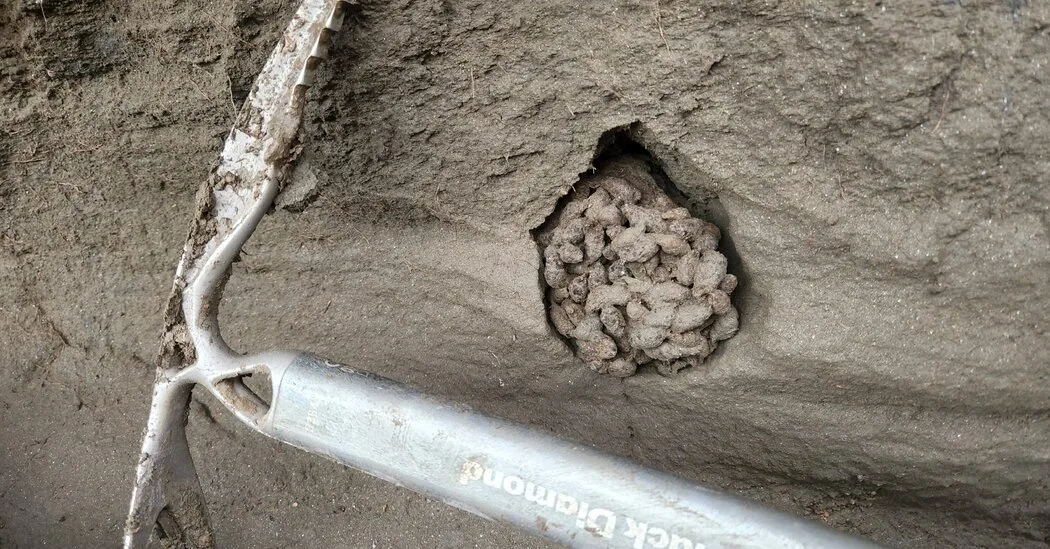
In the icy hills of Canada's Yukon territory, where gold prospectors once sought fortunes, an unexpected discovery is rewriting our understanding of prehistoric life. Scientists have analyzed ancient squirrel feces, some dating back around 700,000 years, and found compelling evidence that these small rodents consumed the meat of much larger extinct animals, including woolly mammoths and saber-toothed cats.
The findings, published in the journal Nature Communications, stem from an extensive collection of fossilized droppings found in undisturbed dens of prehistoric ground squirrels. These dens, sealed in permafrost for millennia, provided an extraordinary window into the ancient Arctic food web. The research team, led by paleogeneticist Tyler Murchie of the Hakai Institute, extracted DNA from these coprolites, revealing genetic material from a surprising array of megafauna.
"This is an example of amazing preservation, recording these ecosystems over hundreds of thousands of years," Murchie stated. The fact that DNA can be recovered from such ancient samples is a testament to the unique environmental conditions in the Yukon. Unlike many fossils where organic molecules are replaced by minerals, the persistent freeze-thawing cycles and sealed nature of these dens kept the biological material remarkably intact.
Unlocking the Past Through Coprolites
The process of extracting viable DNA from ancient samples is notoriously challenging. DNA naturally degrades over time, a process accelerated by environmental factors. Fossilization often involves mineralization, where original organic material is replaced by mineral deposits, leaving little of the original genetic code behind. However, the specific conditions in the Yukon's ancient squirrel dens, kept frozen and sealed from the elements, allowed for an exceptional preservation of contents, including dietary remnants and waste.
Researchers identified DNA sequences not only from the native ground squirrels but also from woolly mammoths, extinct bison, and formidable saber-toothed cats. This suggests that the squirrels, likely scavenging carcasses or consuming carrion, incorporated the meat of these larger creatures into their diet. This challenges previous assumptions that these rodents subsisted solely on plant matter.
The implications of this discovery extend beyond the dietary habits of ancient squirrels. It provides a novel method for reconstructing ancient food webs and understanding the ecological interactions between different species that may not be evident from bone fossil records alone. The preserved feces act as a direct record of consumption, offering a more intimate glimpse into the daily lives of prehistoric animals. This type of analysis could be applied to other fossil-rich sites worldwide.
The study highlights the critical role that even the smallest creatures can play in the broader ecosystem and how their remains can yield invaluable scientific data. The Klondike gold rush era prospectors may have overlooked these tiny biological treasures, but modern science is now uncovering the secrets held within this ancient squirrel poop, shedding new light on the dynamics of extinct environments.