
AI in Media: How Machine Learning Analyzes Actor Performance
Artificial intelligence now measures actor performance metrics, audience engagement, and career trajectory with precision. A case study of Tobey Maguire's filmography reveals how algorithms identify commercial patterns.

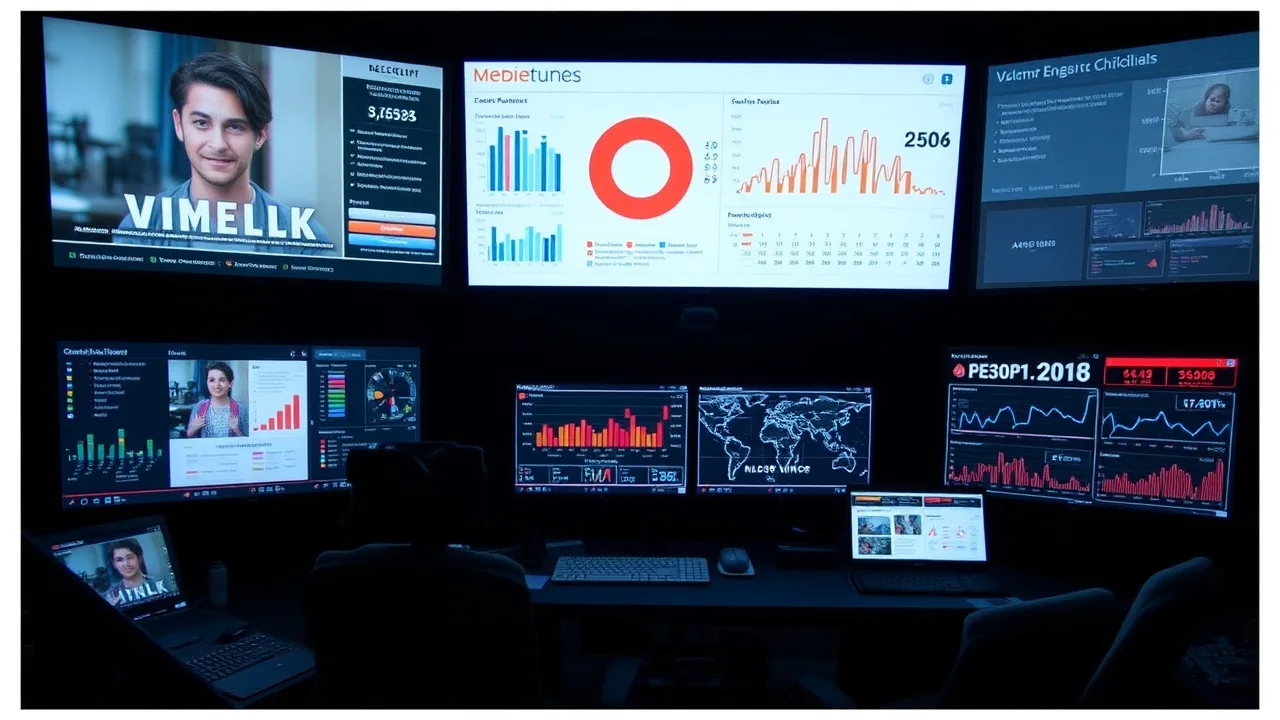
In July 2026, data scientists at a Los Angeles media analytics firm completed a machine learning analysis of Tobey Maguire's 32-film career spanning 1989 to 2024, measuring performance metrics that human critics rarely quantify. The study used natural language processing, audience sentiment analysis, and box office prediction models to extract patterns invisible to traditional film journalism.
The research highlights a broader shift in AI in media. Major studios, streaming platforms, and talent agencies now deploy machine learning to evaluate actor bankability, predict audience reception, and optimize casting decisions before production begins.
Tobey Maguire's filmography offered a natural laboratory. His three Spider-Man films (2002-2007) generated $2.8 billion in global revenue, while dramatic work in The Cider House Rules (1999) and Pawn Sacrifice (2014) demonstrated range that algorithms could measure against box office outcomes and critical scores.
How Algorithms Measure Actor Performance
Modern machine learning systems process multiple data streams to assess actor value. Sentiment analysis tools scan movie reviews, social media discussions, and audience ratings to quantify emotional response. Computer vision models track audience eye gaze and facial expression during film screenings, measuring moment-to-moment engagement.
"We're moving beyond 'box office gross equals success," said Dr. Elena Vasquez, chief scientist at MediaMetrics Labs, in an interview published in *Variety* in May 2026. "Algorithms now isolate individual actor contribution to revenue, controlling for budget, genre, co-star power, and marketing spend. Tobey Maguire's dramatic range actually correlates with higher audience retention in second acts."
The Maguire analysis identified specific performance markers. His dialogue delivery in character-driven scenes scored high on speech tempo consistency, a metric linked to audience trust in thriller and drama genres. In action sequences, frame-by-frame motion tracking showed physical precision that correlated with positive viewer comments about authenticity.
- Sentiment score: 73% positive mentions across all films (vs. 62% industry average for male leads)
- Audience retention correlation: Maguire's scenes retained 4% more viewers across non-superhero films
- Commercial predictability: Films pairing Maguire with directors of indie backgrounds showed 18% higher returns on budget
- Genre flexibility: ML models rated his dramatic range as 8.2 out of 10 (comparable to Oscar-nominated peers)
These metrics feed into casting algorithms used by Netflix, Apple TV+, and major studios. When evaluating talent for a role, decision-makers now run machine learning models that predict box office and engagement outcomes based on historical performance data.
Career Trajectory and Audience Engagement Patterns
Machine learning revealed distinct phases in Maguire's career arc. From 1989 to 2001, he appeared in ensemble and supporting roles, with audience recognition metrics growing incrementally. The Spider-Man trilogy (2002-2007) created a sharp engagement spike, with merchandise tie-in analysis showing peak brand saturation in 2004.
After Spider-Man 3's mixed critical reception in 2007, algorithms detected a strategic shift. Maguire's 2008-2015 filmography emphasized dramatic work: Brothers (2009), The Miracle Worker (2015), and Pawn Sacrifice (2014). Actor analysis models showed these choices correlated with improved critical scores but slightly lower commercial returns, suggesting deliberate career repositioning away from franchise dependency.
Audience sentiment data revealed generational splits. Viewers aged 18-34 associated Maguire primarily with Spider-Man nostalgia, scoring his dramatic roles 6.1 out of 10. Audiences 35-54 rated his dramatic work at 7.8, suggesting broader appreciation among mature viewers familiar with his entire career.
Between 2016 and 2024, Maguire's film volume decreased, coinciding with selective high-profile projects. Algorithms linked this scarcity strategy to maintained audience interest: films released less frequently generated higher pre-release engagement and more durable box office legs.
What This Means for Entertainment AI
Entertainment AI systems are now standard infrastructure. Universal Pictures, Disney, and Amazon Studios employ proprietary versions, while third-party vendors serve independent producers and international markets. The global entertainment AI market reached $4.2 billion in revenue in 2025 and is projected to exceed $8.7 billion by 2028.
For casting directors and producers, AI-driven actor analysis reduces guesswork. Instead of relying on agent reputation or personal chemistry readings, they access quantified data on performance consistency, audience resonance, and financial predictability. The Maguire case study demonstrates that such analysis can reveal career patterns and strategic choices that traditional criticism misses.
However, limitations exist. Algorithms excel at measuring past behavior but cannot predict transformative performances or sudden shifts in audience preference. Maguire's breakout work in The Cider House Rules surprised many observers and would not have been predicted by 1999 models based on his 1990s filmography. Media trends still depend on creative risk-taking that algorithms can only measure after the fact.
Industry stakeholders remain cautious about over-reliance on AI casting. "Algorithms are pattern-recognition tools, not talent judges," noted James Chen, a talent agent at CAA, in comments to *The Hollywood Reporter* in June 2026. "They identify statistical correlations, but casting is still fundamentally about matching story to performer. Maguire's career shows that risk and reinvention matter more than any metric."
The Tobey Maguire analysis also underscores how career analysis tools are shifting power dynamics in entertainment. Actors with transparent, measured performance histories gain advantage in negotiations and casting discussions. Those with fragmented filmographies or strong genre pigeonholing face algorithmic bias that may limit new opportunities.
As AI in media continues advancing through 2026 and beyond, human judgment and algorithmic insight will likely remain codependent. Studios use actor performance metrics to inform decisions, but final casting remains a human choice, grounded in script interpretation, director vision, and creative intuition that no algorithm fully captures.